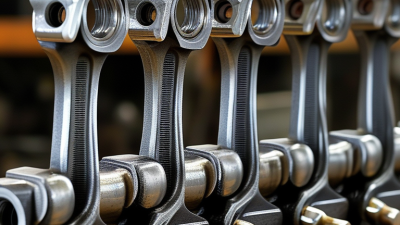
What is a Connecting Rod and Its Importance in Engines?
The Connecting Rod plays a crucial role in the functioning of an engine. It links the pistons to the crankshaft, allowing for the conversion of linear motion into rotational energy. This simple yet vital component ensures that the engine runs smoothly and efficiently.
Understanding the Connecting Rod's importance helps in appreciating its impact on performance. A well-designed Connecting Rod enhances engine power and longevity. However, issues can arise from poor materials or designs. This can lead to catastrophic engine failure.
In essence, the Connecting Rod is not just a mechanical part. It is a key element that significantly affects engine efficiency and durability. Each time you drive, remember the hidden complexity of this important piece. The Connecting Rod deserves our attention and respect in engine mechanics.
Understanding the Definition of a Connecting Rod in Engine Mechanics
A connecting rod is a crucial component in an engine. It serves as a link between the piston and the crankshaft. When the piston moves up and down, the connecting rod transfers this linear motion into rotational movement. This design is essential for converting the energy from fuel combustion into mechanical work.
Studies indicate that a well-designed connecting rod can improve engine efficiency. According to a report by the Society of Automotive Engineers (SAE), optimal connecting rod designs can enhance fuel economy by up to 5%. This effect can be significant in reducing emissions and improving overall engine performance. Yet, many manufacturers face challenges in balancing strength and weight. Heavy connecting rods can add unnecessary load on the engine, while lighter materials may sacrifice durability.
Engineers must also consider material fatigue when designing connecting rods. Over time, repeated stress can lead to failures. A study from the American Society of Mechanical Engineers (ASME) found that nearly 10% of engine breakdowns involve connecting rod issues. Maintaining a precise fabrication process is essential. Any small imperfection can lead to catastrophic failures. These factors highlight the importance of continuous innovation and quality control in connecting rod production.
The Role of the Connecting Rod in the Engine's Functionality
The connecting rod is a critical component in an engine. It serves as a vital link between the crankshaft and the pistons. This connection translates the linear motion of the pistons into rotational motion for the crankshaft. Without it, the engine's ability to function efficiently would be severely compromised. The connecting rod is exposed to extreme forces and temperatures; thus, its design must withstand significant stress.
An effective connecting rod must balance strength and weight. Many designs incorporate materials like steel or aluminum. These choices affect performance and durability. However, even with robust materials, failures can occur. Misalignment or inadequate lubrication can lead to catastrophic engine damage. Regular maintenance and inspections are crucial to prevent such issues. Monitoring the health of the connecting rod can save an engine from costly repairs.
In addition to its strength, the connecting rod's geometry plays a role in engine performance. Different lengths and shapes can affect torque and power delivery. Engineers often experiment with these variables during design. Innovation is essential, yet flaws may still surface. Over time, wear and tear are inevitable. Recognizing and learning from past engineering mistakes is vital for future advancements.
Types of Connecting Rods Used in Different Engine Designs
Connecting rods are essential components of internal combustion engines, acting as a link between the piston and the crankshaft. Various types of connecting rods are utilized based on engine design. The most common types include I-section, H-section, and tubular connecting rods. Each type serves different performance needs and weight considerations.
I-section rods are widely used in conventional engines due to their simple design and adequate strength. However, they may not withstand extreme stress conditions. H-section rods offer enhanced strength and rigidity, making them suitable for high-performance applications. Tubular rods are lighter yet strong, often found in racing engines. They reduce weight, providing better acceleration but can be more expensive to manufacture.
Engineers must consider various factors when selecting connecting rod types, including power output and weight. While some designs excel in high-performance settings, others might be better for everyday use. Choosing the right connecting rod is critical, as a poor choice can impact engine durability and performance. Balancing cost and functionality remains a challenge, highlighting the importance of expert insights in the design process.
What is a Connecting Rod and Its Importance in Engines? - Types of Connecting Rods Used in Different Engine Designs
| Type of Connecting Rod |
Material |
Application |
Advantages |
| I-Beam Connecting Rod |
Steel |
High-performance engines |
Strong and lightweight |
| H-Beam Connecting Rod |
Aluminum |
Racing and off-road vehicles |
Better strength-to-weight ratio |
| Piston Pin Connecting Rod |
Cast Iron |
Standard passenger vehicles |
Cost-effective and durable |
| Forged Connecting Rod |
Forged Steel |
High-load applications |
Superior strength and reliability |
| Billet Connecting Rod |
Machined Aluminum |
Custom engine builds |
Customizable and lightweight |
Materials and Manufacturing Processes for Connecting Rods
Connecting rods are critical components in engines, transmitting power from the piston to the crankshaft. The materials chosen for these rods greatly affect their performance, weight, and longevity. Common materials include steel, aluminum, and various alloys. Steel is favored for its strength and durability, while aluminum is lighter, offering better fuel efficiency.
During manufacturing, processes such as forging, machining, and heat treatment play essential roles. Forging adds strength through compression, while machining refines the shape and fit. Heat treatment enhances material properties, ensuring that rods can withstand the immense forces they encounter.
**Tip:** Choose materials wisely. The right choice can enhance engine performance significantly.
While modern techniques have improved connecting rod manufacturing, some issues remain. Variability in material quality can lead to performance inconsistencies. Each batch requires thorough testing to ensure reliability.
**Tip:** Regular inspections can prevent catastrophic failures. Consider these checks during routine maintenance.
The balance between strength, weight, and cost is crucial. Overly heavy rods can slow down an engine, while excessively light rods may compromise strength. Manufacturers continuously strive to find the optimal combination to meet performance requirements.
Common Issues and Maintenance Tips for Connecting Rods in Engines
Connecting rods play a crucial role in the performance and longevity of an engine. They convert the linear motion of the pistons into rotational motion for the crankshaft. However, connecting rods can face issues that may lead to significant engine damage. Common problems include bending, fatigue, and wear due to inadequate lubrication. According to a report by the Engine Builders Association, over 25% of engine failures are linked to connecting rod failures.
Routine maintenance is essential to prolong the life of connecting rods. Regular oil changes can prevent lubrication failures. Inspecting oil for metal shavings can also provide early detection of problem areas. Moreover, ensure that the oil level is always adequate. Low oil levels lead to overheating and increased friction. Leveraging high-quality lubricants may help in reducing wear and tear over time.
Here are some tips for maintaining your connecting rods: Check the torque specifications on the connecting rod bolts during routine checks. Over-tightening can lead to cracking, while under-tightening risks loosening. Pay attention to unusual engine noises, which may signal connecting rod issues. Periodic dyno testing can help identify performance variations linked to connecting rod wear. Keeping track of these details can make a significant difference in engine reliability.

 +86 13794985240
 CONTACT NUMBER
 CONTACT NUMBER