How to Choose the Right Connecting Rod for Your Engine?
When choosing the right connecting rod for your engine, you face many challenges. Renowned expert in engine components, John Smith, emphasizes, "The connecting rod is crucial for engine performance." His insights highlight the importance of a well-matched connecting rod to overall engine efficiency.
Selecting the appropriate connecting rod involves understanding material specifications, weight, and dimensions. Each engine type has distinct requirements, impacting torque and horsepower. Failing to account for these aspects may hinder engine performance or even cause damage.
Careful consideration is paramount. Engine builders often overlook the significance of the connecting rod, but it plays a vital role in a successful build. Always align connecting rod choices with your engine goals for optimal results.
Understanding Connecting Rod Functions in Engine Mechanics
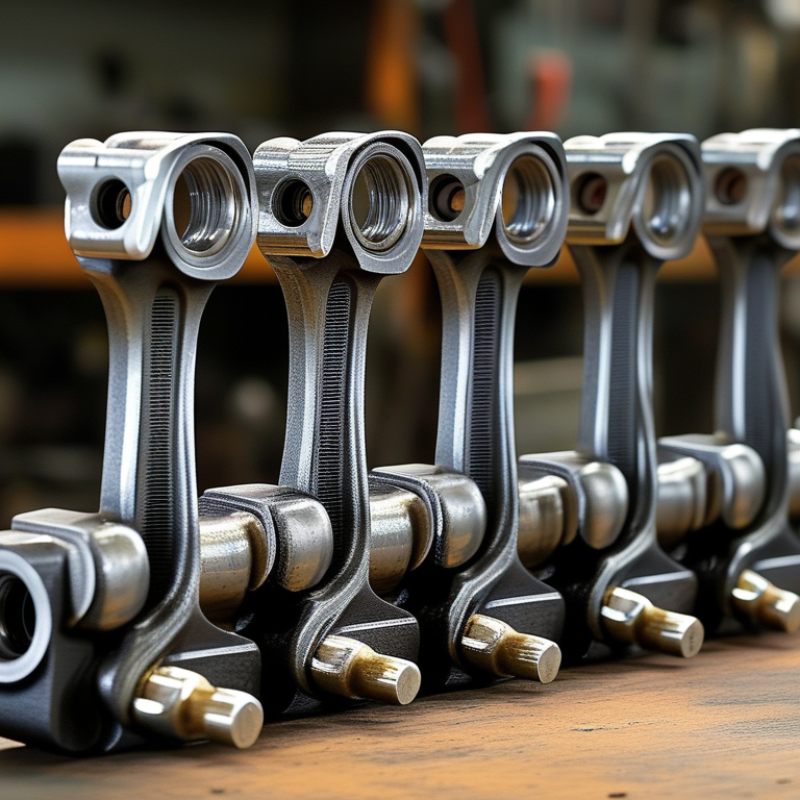
Connecting rods are key components in engine mechanics. They link the piston to the crankshaft. Their role is crucial in transferring the force produced during combustion. A well-functioning connecting rod ensures optimal engine performance. If the rod fails, it can lead to severe damage. Understanding their functions helps in choosing the right rod.
The length and material of a connecting rod impact its performance. Lightweight materials like aluminum can enhance responsiveness. However, they may lack the durability of steel rods. The size must fit the engine's specifications. An incorrect size can cause misalignment. Frequent checks are necessary to assess wear and tear. Ignoring these signs can result in costly repairs.
Precision in selecting connecting rods is vital. Too long or too short can alter engine dynamics. The connecting rod should withstand immense pressure without bending. Balancing strength and weight is challenging. Continuous learning and adaptation in choosing connecting rods can improve engine efficiency. Reflection on past choices can lead to better decisions in the future.
Key Factors to Consider When Selecting Connecting Rods
Choosing the right connecting rod for your engine involves several crucial factors. Material selection is one of the most important considerations. Often, connecting rods are made from aluminum, steel, or titanium. Each material has its pros and cons. Aluminum is lightweight but may not withstand higher stress. Steel is durable and affordable, while titanium is strong but more expensive. Think about your engine's performance needs before making a choice.
Next, pay attention to the rod length. The length can affect engine performance and overall efficiency. A longer rod may provide better leverage and reduce side loading on the cylinder walls. However, it could complicate your engine design. The weight of the connecting rod also plays a vital role. Lighter rods can improve engine speed but might compromise sturdiness. Always consider the balance between weight and strength.
Lastly, be aware of the rod's design. Many modern rods come with features like I-beam or H-beam designs. These designs impact strength and flexibility. Matching your connecting rod design with your engine type is essential. A mismatch might lead to inefficiencies or even engine failure. As you reflect on these choices, think about your engine’s requirements and your driving style for the best results.
How to Choose the Right Connecting Rod for Your Engine? - Key Factors to Consider When Selecting Connecting Rods
| Factor |
Description |
Importance Level |
Common Materials |
| Length |
Connecting rod length affects the engine's stroke and performance characteristics. |
High |
Steel, Aluminum |
| Weight |
The weight of the connecting rod impacts engine balancing and performance. |
Medium |
Aluminum, Titanium |
| Material |
Material choice affects durability, weight, and cost. |
High |
Forged Steel, Billet Aluminum |
| Bolt Configuration |
The number and arrangement of bolts affect strength and ease of installation. |
Medium |
Standard, ARP Bolts |
| Application |
Choosing the right rod depends on its specific use: street, racing, or performance. |
High |
Varies by use |
Materials Used in Connecting Rod Manufacturing
Choosing the right connecting rod is crucial for engine performance. The materials used in manufacturing connecting rods directly affect their strength and longevity. Common materials include steel, aluminum, and titanium. Each material has its distinct characteristics and applications.
Steel rods are widely recognized for their durability. They offer excellent strength and can withstand high loads. However, they can add weight to the engine.
Aluminum rods, on the other hand, are lighter, which can enhance performance. Yet, they may not handle extreme stress as well as steel. Titanium rods are strong and lightweight, but they can be costly.
In the quest for the best material, it’s essential to balance performance, weight, and cost. Choosing the wrong material can lead to engine failure or inefficiencies. Understanding the trade-offs is vital. Always keep in mind how each material impacts the engine's overall design and function. Each choice carries consequences that can influence miles per hour and overall power.
Sizing and Compatibility: Ensuring a Proper Fit
Choosing the right connecting rod for your engine requires careful consideration of size and compatibility. Dimensions matter significantly. Connecting rods need to fit within the engine block and align perfectly with the crankshaft. This involves measuring the length accurately. If the rod is too short or too long, engine performance may suffer.
Compatibility also extends to the engine type. For instance, a rod designed for a V6 engine may not suit a V8. The big end diameter should match the crank journal. The small end must fit the piston pin snugly. Misalignment can cause excessive wear or failure.
It's essential to check the manufacturer's specifications. However, many simply rely on assumptions. Relying on generic solutions can lead to costly mistakes. A custom rod might be necessary for specific applications. Even minor variances in size can produce significant issues. When in doubt, consulting an expert is always advisable. Their input can save time and increase the reliability of your engine.
Connecting Rod Dimensions and Weights
This chart illustrates the dimensions and weight of a typical connecting rod used in automotive engines. Properly selecting the dimensions is crucial for ensuring compatibility with the engine setup and overall performance.
Performance Enhancements Through Upgraded Connecting Rods
When considering performance enhancements for your engine, upgraded connecting rods often play a crucial role. High-performance connecting rods are usually made from forged steel or aluminum alloys. These materials offer greater strength and reduced weight. According to industry studies, a well-optimized connecting rod can improve an engine's power-to-weight ratio by up to 10%. This increase enables better acceleration and overall performance.
Choosing the right connecting rod involves assessing your engine's specifications and performance goals. If you aim for higher RPMs, select rods designed for those extremes. Look for rods with a beefier design to handle the additional stress. Tip: Always prioritize rods from reputable manufacturers, as their performance data is often backed by rigorous testing.
Additionally, weight matters. Lighter rods reduce reciprocating mass, improving throttle response. However, being too light can compromise strength, leading to failure. Reflect on the balance between weight and durability. Tip: Consult with engine builders or performance specialists for insights tailored to your specific setup. Always weigh the pros and cons before making a final decision.

 +86 13794985240
 CONTACT NUMBER
 CONTACT NUMBER