Top 5 Crankshaft Bearing Options for Global Buyers?
Crankshaft bearings are vital components in automotive engines, providing the necessary support for the crankshaft. According to a recent industry report by Grand View Research, the global crankshaft market is projected to reach $5.5 billion by 2025, hinting at the growing importance of high-quality crankshaft bearings. These bearings undergo significant stress and require reliable materials for optimal performance.
Choosing the right crankshaft bearing is critical for manufacturers and repair shops alike. The bearing's ability to withstand high temperatures and friction can influence engine longevity. Research shows that improper selection can lead to engine failure, costing hundreds of thousands in repairs. However, many buyers find it challenging to navigate the various options available.
Manufacturers must balance cost-effectiveness and quality. While cheaper options may seem attractive, they often compromise on durability. The lack of industry standards can make it hard to identify reliable products. Buyers should look for bearings with proven performance history. Ensuring the right fit can prevent long-term engine issues. Investing time in research can lead to better outcomes and higher satisfaction.
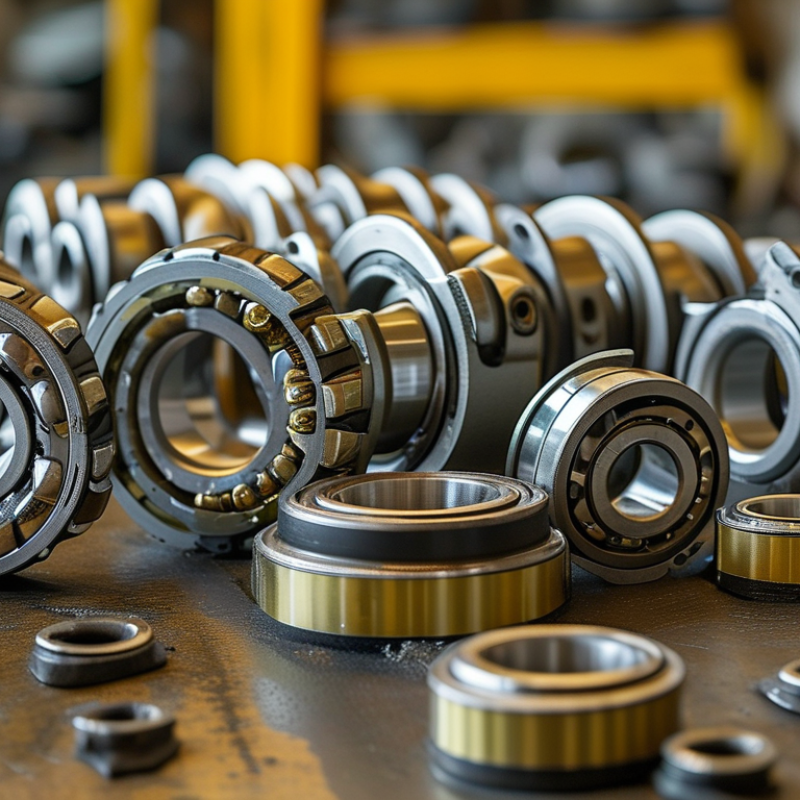
Understanding Crankshaft Bearings: An Overview
Crankshaft bearings play a vital role in engine function. They support the crankshaft and allow it to rotate smoothly. A well-functioning bearing reduces friction and wear. It also helps maintain proper oil flow, which is crucial for cooling and lubrication.
There are various types of crankshaft bearings available. Materials can differ, affecting durability and performance. Common options range from metallic to composite materials. Each has its own advantages and disadvantages, making selection complicated. Buyers often struggle to find the ideal match for their engines. It's essential to understand the specifications required by each engine to make an informed choice.
Manufacturing quality significantly influences the reliability of these bearings. Poor construction can lead to premature failure. Users need to be cautious, as low-quality options may save costs but cause long-term damage. It’s a delicate balance between price and performance. Ensuring compatibility with specific engine types is crucial. The right bearing can enhance engine life, while the wrong choice can result in costly repairs. Always seek expert advice when in doubt.
Key Factors to Consider When Choosing Crankshaft Bearings
When selecting crankshaft bearings, several key factors must be considered. Understanding the load capacity is crucial. According to a report by Grand View Research, crankshaft bearings account for a significant portion of engine performance. If these bearings fail, it can lead to severe engine damage, costing owners thousands in repairs.
Material selection also plays a vital role. Common materials include lead or aluminum alloys. Each material provides varying levels of durability and friction properties. For instance, some studies suggest that certain aluminum alloys can deliver better heat resistance compared to lead-based options. This aspect is particularly important for high-performance applications.
Additionally, lubrication must not be overlooked. It affects the longevity and efficiency of the crankshaft bearings. A reliable API service classification can guide oil selection. Data from the American Petroleum Institute highlight that using the right lubricant can enhance bearing life by up to 30%. However, not all users prioritize this, possibly leading to premature wear and increased maintenance costs.
Top Manufacturers of Crankshaft Bearings for Global Markets
When entering the global market for crankshaft bearings, choosing the right manufacturer is crucial. According to industry reports, the global crankshaft bearing market is projected to grow steadily, expected to reach over $3 billion by 2025. This growth is fueled by increasing demand for automotive and industrial applications. Manufacturers must therefore prioritize quality and innovation to stay competitive.
Leading manufacturers often invest in advanced materials and technologies. Reports indicate that the use of polymer coatings and enhanced lubrication systems has improved bearing performance. This is significant for longevity and reliability. While many companies strive for excellence, some still struggle with consistent quality control. Inconsistent manufacturing processes can lead to product failures, causing substantial losses in both reputation and finances.
Reliability in supplier partnerships is essential. Manufacturers need to evaluate the credibility and experience of their suppliers carefully. Many buyers report that they face challenges finding partners who meet their rigorous quality standards. It’s important to assess not only the theoretical capabilities of suppliers but also their actual production track records. Mistakes in supplier selection can impact business operations negatively, leading to delayed projects and increased costs.
Comparative Analysis of Material Types for Crankshaft Bearings
When evaluating crankshaft bearing materials, it’s essential to consider composition and performance. Common options include bronze, aluminum, and polymer-based bearings. Each type has specific properties that affect durability and efficiency. Bronze, for instance, offers excellent wear resistance. However, its weight can be a disadvantage in some applications.
Aluminum bearings are lighter and can improve engine performance. They often provide better heat dissipation too. Yet, they may not be as resilient under heavy loads as bronze. Polymer options, on the other hand, may reduce friction significantly. They are often used in high-performance engines for this reason. Still, their long-term durability could be a concern.
Choosing the right material requires careful consideration of the engine's operating conditions. Heavy loads might necessitate stronger materials, like bronze. In contrast, lighter applications could benefit from aluminum or polymer. This decision impacts overall engine lifespan. A detailed assessment of each material's strengths and weaknesses is crucial. Not all options are suitable for every engine. This process can lead to further questions about the ideal balance between weight, strength, and performance.
Top 5 Crankshaft Bearing Options for Global Buyers
| Material Type |
Pros |
Cons |
Best Suitable For |
Price Range (USD) |
| Aluminum Alloy |
Lightweight, good heat conduction |
Lower mechanical strength |
High-performance engines |
$20 - $50 |
| Copper-Lead |
High thermal conductivity, durability |
Heavy, can wear faster |
Heavy-duty applications |
$25 - $70 |
| Tin-Based |
Excellent wear resistance |
Prone to galling |
Marine and industrial engines |
$30 - $80 |
| Polymer Composite |
Lightweight, low friction |
Limited high-temperature performance |
Automotive and motorsport |
$15 - $40 |
| Bronze |
High load capacity, durability |
Heavy and expensive |
Heavy machinery and engines |
$50 - $100 |
Future Trends in Crankshaft Bearing Technology and Innovation
The future of crankshaft bearing technology is promising. Innovations are shaping new designs and materials. Lightweight composites are emerging as alternatives. These materials can reduce friction and improve efficiency. Advanced manufacturing techniques are also on the rise. 3D printing, for instance, allows precise tailoring of design elements to meet specific demands.
Tips: Regularly check for wear. Understanding the signs of bearing fatigue can save you time and money. It is essential to stay informed about industry advancements.
Eco-friendly materials are gaining traction. More manufacturers are exploring sustainable options. This shift aligns with global environmental goals. However, not all innovations come without challenges. Some advanced materials might lack long-term durability. Balancing performance and sustainability will be crucial.
Tips: Take time to compare materials. Assess the specific needs of your application. Being diligent can lead to better choices and enhanced performance.

 +86 13794985240
 CONTACT NUMBER
 CONTACT NUMBER