How to Choose the Right Crankshaft Bearing for Your Engine?
Choosing the right crankshaft bearing is critical for engine performance and longevity. According to expert David Smith, a renowned automotive engineer, “The right crankshaft bearing can make or break your engine’s efficiency.” This quote highlights the importance of understanding the specific needs of your engine.
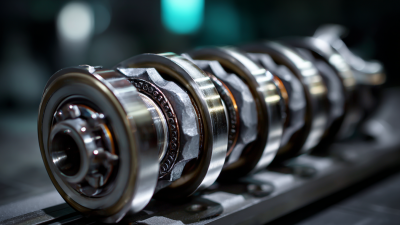
Crankshaft bearings play a vital role in reducing friction. They support the crankshaft while allowing it to rotate smoothly. Selecting a high-quality bearing that meets your engine's specifications is imperative. Different engines have varying requirements based on design and performance goals.
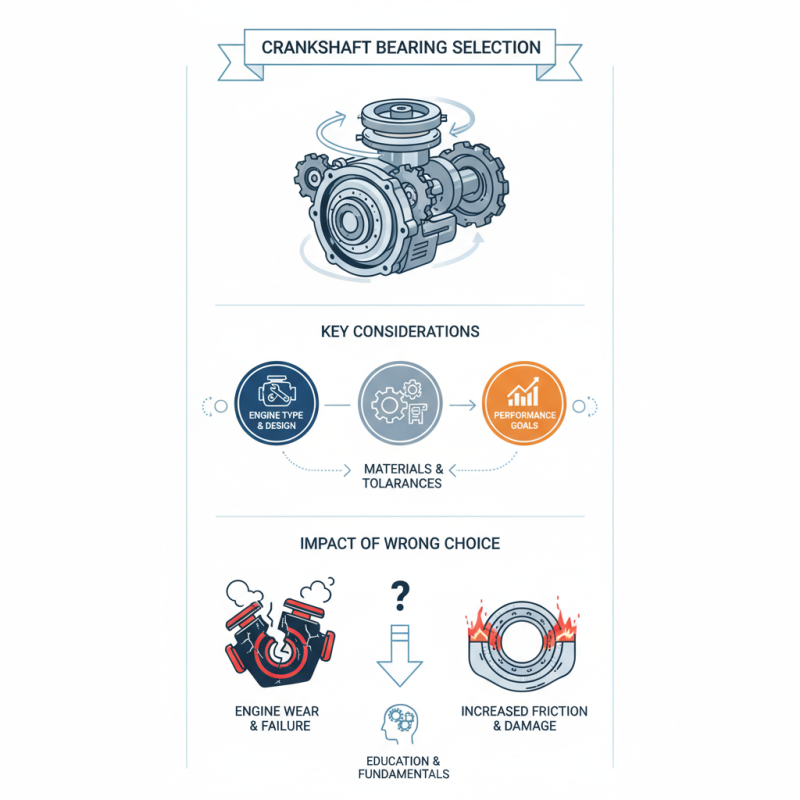
Many enthusiasts overlook the significance of these bearings. The wrong choice can lead to engine wear or failure. It's crucial to educate yourself on materials, tolerances, and processing. These factors considerably impact your engine's operation. Sometimes, trial and error may guide you, but understanding the fundamentals will yield better results.
Understanding Crankshaft Bearings and Their Importance in Engine Performance
Crankshaft bearings play a critical role in the overall performance of an engine. These components are vital for reducing friction between the crankshaft and the engine block. They support the crankshaft and allow it to rotate smoothly. According to industry data, improper bearing selection can lead to a 20% reduction in engine efficiency. This highlights their importance in vehicle dynamics.
Engine performance heavily relies on the quality and type of crankshaft bearings used. The wrong bearings can result in engine noise and vibration. Reports indicate that nearly 30% of all engine failures are due to bearing issues. Such failures often stem from poor lubrication or improper fit. Selecting the right bearing ensures optimal oil flow and extends the engine's lifespan.
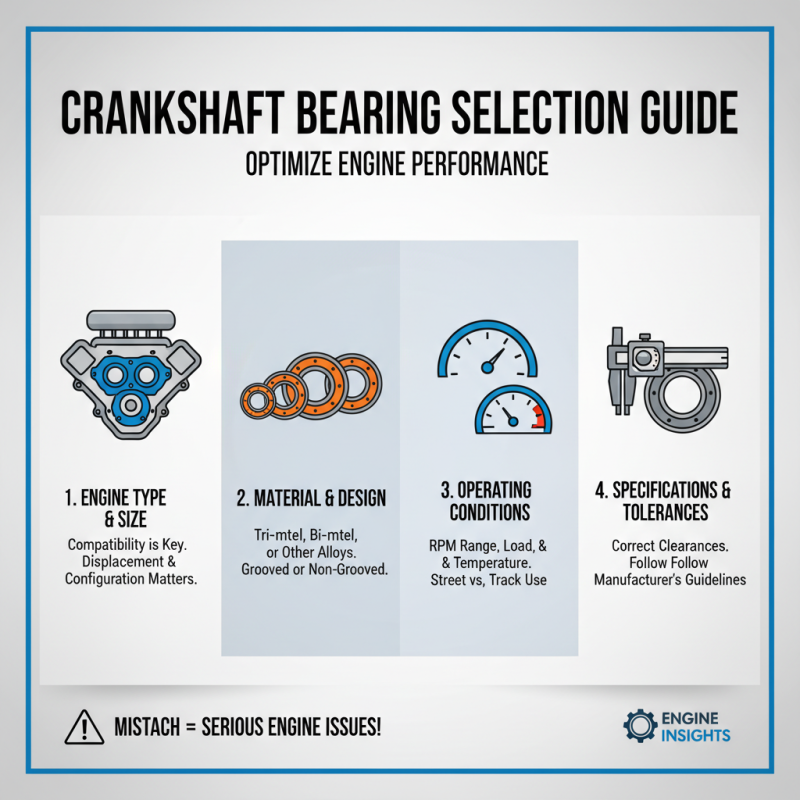
It's essential to consider factors like material, size, and clearance when choosing crankshaft bearings. Many users overlook these details. However, these choices impact engine reliability significantly. Consulting with technical resources or industry experts can help in making informed decisions. Proper knowledge of bearing specifications leads to better engine performance and efficiency.
Identifying Different Types of Crankshaft Bearings and Their Applications
Crankshaft bearings are essential for engine longevity. They reduce friction between moving parts. There are several types, each serving specific applications. For instance, plain bearings are common in automotive engines. They rely on a lubricant film to keep surfaces apart, minimizing wear.
Roller bearings are also widely used. They handle heavier loads and enhance engine efficiency. According to industry reports, around 40% of modern engines utilize roller bearings. These bearings support high RPMs and reduce rotational inertia. Yet, their complexity may lead to premature failure in harsh conditions.
Ball bearings serve unique purposes. They are less common but can be found in some high-performance models. Their design allows for smooth operation and precise movement. However, they require regular maintenance to avoid issues. Understanding these options helps engine builders make informed choices.
How to Choose the Right Crankshaft Bearing for Your Engine?
| Bearing Type |
Material |
Application |
Load Rating |
Cost Level |
| Plain Bearings |
Aluminum/Silicon |
Light-Duty Engines |
Medium |
Low |
| Roller Bearings |
Steel |
Heavy-Duty Engines |
High |
High |
| Hydrodynamic Bearings |
Babbitt |
High-Performance Engines |
Very High |
Medium |
| Composite Bearings |
Polymer |
Automotive Applications |
Medium |
Low |
| Dricula Bearings |
Copper Lead |
Industrial Engines |
Medium |
Medium |
Analyzing Material Options for Crankshaft Bearings: Pros and Cons
Choosing the right material for crankshaft bearings is crucial for engine performance. Common materials include aluminum, bi-metal, and lead-based alloys. Each option offers specific benefits and drawbacks.
Aluminum bearings are lightweight and provide excellent thermal conductivity. They work well in high-load scenarios. However, they may wear out faster under extreme conditions. This can lead to premature engine failure if not monitored closely.
Bi-metal bearings combine a steel backing with layers of softer materials. This offers the strength of steel while reducing friction. Yet, they can also present challenges. If the soft layer wears too quickly, performance may decline. Lead-based alloys are durable, offering good wear resistance. However, environmental concerns over lead make these less favorable today.
Understanding these material options helps you choose the right crankshaft bearing. Consider your engine's specific demands and working environment. A careful assessment leads to better performance and longevity.

 +86 13794985240
 CONTACT NUMBER
 CONTACT NUMBER