Top 10 Boom Cylinder Suppliers in China You Should Know?
The global demand for Boom Cylinders has been witnessing significant growth, driven by the expanding construction and mining industries. According to a recent market analysis, the hydraulic cylinder market, which includes Boom Cylinders, is projected to reach $16 billion by 2025, with China leading in production and supply. Boom Cylinders are crucial for equipment like excavators, cranes, and loaders, enabling lifting and material handling.
China's boom cylinder suppliers play a pivotal role in this market. With more than 50 manufacturers, the competition is fierce. Companies are constantly innovating to enhance efficiency and durability. Some local suppliers have been recognized for their quality but still struggle with international standards. They need to focus on reliability and performance.
Moreover, while many suppliers boast impressive production capabilities, quality control often falls short. It's essential to consider consumer feedback and regulatory compliance. As we explore the top 10 Boom Cylinder suppliers in China, it’s important to understand both the strengths and weaknesses of these players in the market. These insights can guide buyers in making informed decisions while navigating this complex supplier landscape.
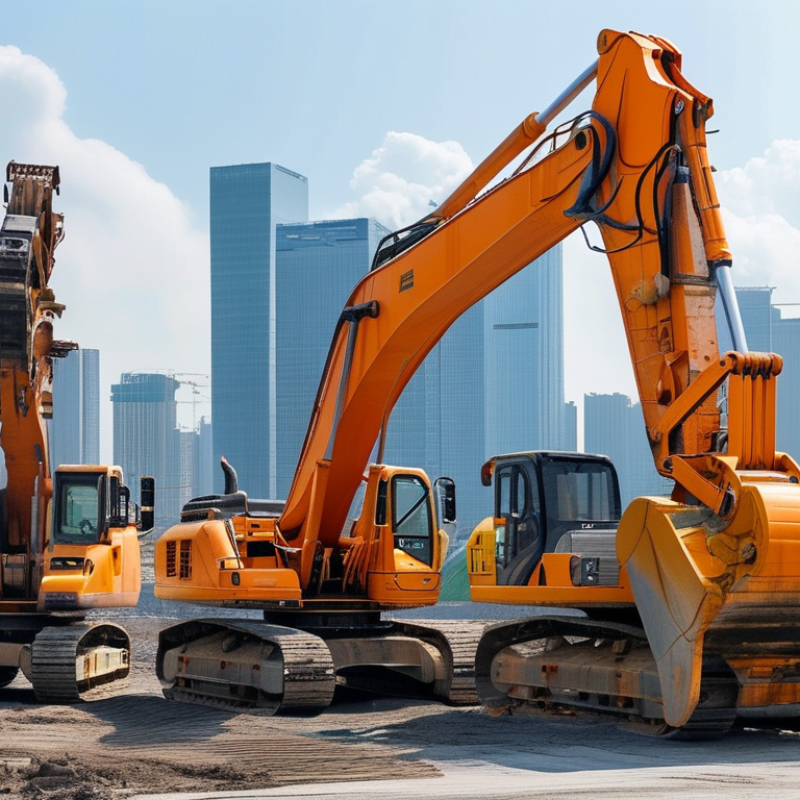
Overview of Boom Cylinders and Their Importance in Industries
Boom cylinders play a crucial role in various industries, particularly in construction and manufacturing. They are essential for lifting and moving heavy loads, enhancing efficiency. In fact, the global hydraulic cylinder market is projected to reach $15 billion by 2026, underscoring their importance.
These cylinders convert hydraulic power into mechanical force. They are used in cranes, excavators, and other machinery. The reliability of boom cylinders directly affects productivity. Industry reports highlight that malfunctioning hydraulic systems could lead to costly downtimes, emphasizing the need for quality components.
However, not all suppliers meet high standards. Some may provide subpar products that compromise safety. Regular maintenance is necessary to prevent failures. Relying on trusted suppliers and understanding the technical specifications of boom cylinders is vital for efficient operations. Neglecting these aspects might result in hazardous situations or financial losses.
Criteria for Selecting Reliable Boom Cylinder Suppliers
Choosing reliable boom cylinder suppliers involves careful consideration of various factors. Strong industry experience is crucial. A supplier with over ten years in the market typically demonstrates stability and expertise. According to a recent market analysis by ResearchAndMarkets, established suppliers have a 70% higher chance of maintaining product quality.
Certifications and standards are essential indicators. Suppliers should comply with ISO 9001, ensuring consistent quality management. Compliance with manufacturing standards increases trust in their products, as noted in a report by the International Organization for Standardization. Additionally, assessing customer reviews can provide insights into the supplier's reliability and service.
Price is always a factor, but it should not be the sole criterion. A supplier that offers the lowest price may compromise quality. Investigating the materials used and the technology adopted is crucial. Many suppliers still lag in adopting advanced manufacturing practices. This can lead to inconsistencies and reduce the lifespan of boom cylinders. Therefore, engaging with potential suppliers to discuss their production techniques can yield valuable insights.
Top 10 Boom Cylinder Suppliers in China You Should Know
| Supplier Rank |
Product Range |
Years in Business |
Quality Certifications |
Customer Rating |
| 1 |
Hydraulic Boom Cylinders, Telescopic Cylinders |
15 |
ISO 9001, CE |
4.8 |
| 2 |
Standard Cylinders, Custom Cylinders |
10 |
ISO 14001, API |
4.5 |
| 3 |
Heavy-Duty Cylinders, Lifting Cylinders |
8 |
ASME, ISO 9001 |
4.7 |
| 4 |
Construction Cylinders, Boom Elevators |
12 |
CE, ISO 9001 |
4.6 |
| 5 |
Agricultural Cylinders, Forklift Cylinders |
20 |
ISO 9001, QS |
4.9 |
| 6 |
Marine Cylinders, Industrial Cylinders |
18 |
API, ISO 14001 |
4.4 |
| 7 |
Custom Hydraulic Solutions |
5 |
ISO 9001, CE |
4.6 |
| 8 |
Construction and Mining Cylinders |
10 |
CE, ISO 13485 |
4.8 |
| 9 |
Pneumatic and Electric Cylinders |
14 |
ISO 9001, RoHS |
4.6 |
| 10 |
Telehandler Cylinders, Mini Excavator Cylinders |
25 |
ISO 9001, CE |
4.7 |
Top 10 Boom Cylinder Suppliers in China: A Detailed Overview
When exploring the boom cylinder market in China, understanding supplier options is crucial. Many companies offer a range of hydraulic products, yet not all are reliable. It's essential to research their manufacturing process, quality control measures, and the materials they use. Many suppliers have extensive experience, but some may lack modern technology, leading to inconsistent quality.
In interviews with industry experts, a few key attributes stand out. Trustworthy suppliers prioritize customer support and technical assistance. Some may have impressive portfolios but fail to maintain good communication. Effective partnerships often depend on transparency. This means suppliers should share their design processes and be open to feedback. Industry forums and reviews can provide insights into suppliers' reputations.
Innovation is another vital aspect of evaluating suppliers. Many Chinese companies are investing in advanced machinery. This can lead to improved precision and lower production costs. However, not all are capable of swift adaptation to new technologies. Small manufacturers may struggle with scalability. It's essential to weigh these factors while considering the best suppliers in the competitive boom cylinder market.
Comparative Analysis of Product Offerings from Each Supplier
When choosing a boom cylinder supplier in China, product offerings vary significantly. Some companies focus on hydraulic technology; others emphasize durability and resistance. A close look reveals the different strengths of these suppliers. Performance metrics often show which products excel under stress and temperature fluctuations.
A reliable supplier should also have a broad range of specifications. Some may provide custom solutions while others stick to standard sizes. This variety can impact equipment efficiency and performance. The materials used in manufacturing also differ. High-grade steel is preferred by some, while others opt for more cost-effective options. Each choice can lead to different long-term outcomes.
Feedback from users highlights the importance of customer service. Fast response times and good support are critical. Occasionally, suppliers may lack transparency in their processes, leading to buyer uncertainty. Understanding these nuances is crucial for making informed decisions. Buyers should weigh reliability against pricing to find the best match for their needs.
Future Trends in the Boom Cylinder Industry and Supplier Innovation
The boom cylinder industry is witnessing rapid transformation driven by innovation and technological advancements. Recent reports indicate that the global market for hydraulic cylinders is projected to reach $15 billion by 2026, growing at a CAGR of 5.8%. This growth is largely due to increasing automation in construction and mining sectors, which is pushing manufacturers to develop more efficient and durable products.
One area of innovation lies in smart hydraulic systems. These systems enhance operational efficiency and monitor performance in real-time. Data from industry surveys show that companies adopting IoT (Internet of Things) technologies see efficiency improvements of up to 30%. However, this shift towards smart technologies presents challenges. Many manufacturers struggle to integrate new systems with existing machinery. Additionally, the skills gap in workforce training presents another layer of difficulty.
Sustainability is also becoming critical in the boom cylinder supply chain. Manufacturers are exploring eco-friendly materials and designs that reduce environmental impact. A report indicates that over 40% of companies are investing in green technologies. This trend reflects the growing demand for sustainable practices from both consumers and regulatory bodies. Engaging with these trends requires commitment but can lead to significant competitive advantages in the long run.
Future Trends in the Boom Cylinder Industry

 +86 13794985240
 CONTACT NUMBER
 CONTACT NUMBER