Leave Your Message

Top 10 Crankshaft Bearing Types You Need to Know?

Understanding Crankshaft Bearings is essential for anyone involved in engine mechanics. These components play a crucial role in ensuring smooth engine operation. Choosing the right crankshaft bearing type can significantly affect engine performance and longevity.

The variety of crankshaft bearings can be overwhelming. Each type serves a specific purpose and comes with its own set of advantages and disadvantages. This knowledge is vital for mechanics and automotive enthusiasts alike. Missteps in choosing bearings may lead to engine failures or costly repairs.

In this article, you will discover the top 10 crankshaft bearing types. Each type will be broken down, covering its features, benefits, and potential drawbacks. Gaining insight into these bearings not only empowers you but also equips you with the knowledge for better maintenance.
Top 10 Crankshaft Bearing Types You Need to Know?

Understanding Crankshaft Bearings: Importance and Functionality

Crankshaft bearings play a critical role in engine functionality. They reduce friction between moving parts, ensuring smooth operation. Without these bearings, engines would face severe wear and tear. They also help support the crankshaft, maintaining alignment during operation. A well-functioning bearing can enhance engine life significantly.

Each type of crankshaft bearing has unique characteristics. For instance, some are designed for high-performance engines, while others focus on durability. These distinctions highlight the importance of selecting the right type. It's essential to consider factors like load capacity and lubrication needs. Choosing the wrong bearing can lead to premature failure.

Workshops often overlook the maintenance of crankshaft bearings. Regular inspections can identify wear signs early. Mechanics should be aware of unusual noises or vibrations during engine operation. These can indicate bearing issues that need immediate attention. Ignoring these signs can result in costly repairs down the line. Understanding crankshaft bearings' importance allows for better care and informed decisions in engine management.

Top 10 Crankshaft Bearing Types You Need to Know

Bearing Type Material Load Capacity (kg) Common Applications
Bi-metal Bearings Copper-lead alloy 5000 kg Automotive engines
Tri-metal Bearings Copper-lead tin alloy 6000 kg Heavy machinery
Plastics Bearings Polymer composite 2000 kg Small engines
Cylindrical Bearings Steel 4500 kg Manual transmissions
Spherical Bearings Bronze 3000 kg Articulating joints
Journal Bearings Babbit metal 4000 kg Compressors
Sliding Block Bearings Polyethylene 1500 kg Industrial machines
Tapered Bearings Chrome steel 5500 kg Truck axles
Roller Bearings Alloy steel 7000 kg Electric motors

Types of Crankshaft Bearings: Overview of Each Type

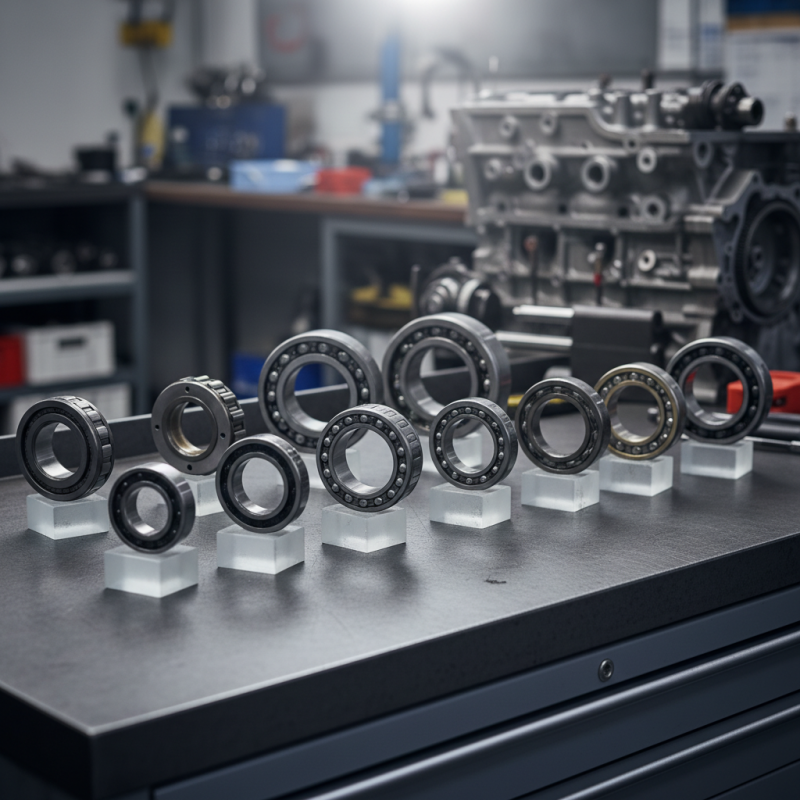
Crankshaft bearings are vital for engine performance. Understanding the various types can lead to better maintenance and efficiency. Common types include plain bearings, rolling element bearings, and bushings. Each type has unique characteristics that affect durability and friction.

Plain bearings are widely used due to their simple design. They support loads directly and often rely on lubrication to minimize wear. Rolling element bearings, on the other hand, utilize balls or rollers to reduce friction. They can handle higher loads but may be more expensive. According to industry reports, plain bearings account for approximately 70% of the market due to their reliability.

Bushing bearings are also prevalent. They provide a low-cost option with moderate performance levels. However, they may wear out faster under high-stress conditions. This aspect reveals a potential weakness in their application, which requires careful monitoring. As engine designs evolve, so do bearing technologies. Ongoing research highlights a trend toward advanced materials that enhance performance and reduce friction, indicating a shift in industry standards.

Material Composition: Comparing Metal and Composite Bearings

Top 10 Crankshaft Bearing Types You Need to Know?

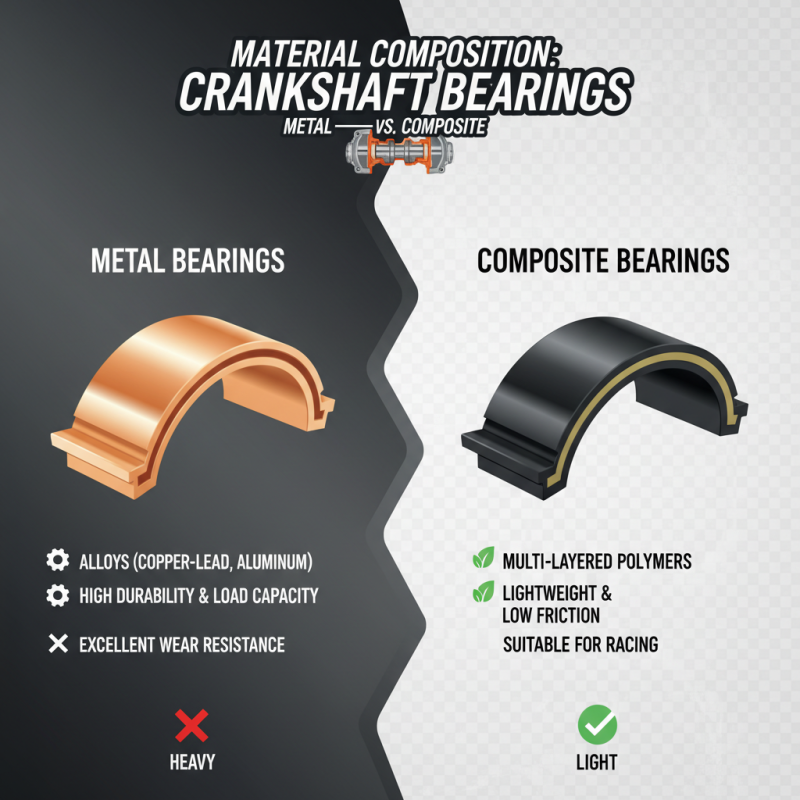
When it comes to crankshaft bearings, the material composition can significantly influence performance and longevity. Metal bearings, made from alloys like copper-lead or aluminum, have been widely used for their durability and ability to withstand high loads. They offer excellent wear resistance, making them suitable for high-performance engines. However, their weight can be a drawback in racing applications.

Composite bearings, on the other hand, often incorporate polymers and ceramics. These materials reduce weight and may offer better corrosion resistance. They generally perform well in lower-friction applications. However, composite bearings can be sensitive to temperature changes. This may lead to potential failures in extreme conditions.

Tip: Always consider your engine's specifications. You may want different materials based on your needs. Observing how your vehicle performs with varied bearings can guide future choices.

Another aspect to consider is cost. Metal bearings usually have higher upfront costs but can offer long-term savings through better durability. Conversely, composite options might be cheaper initially but could require more frequent replacements. Monitoring your engine's performance regularly helps ensure you're making informed decisions about bearing types.

Load Capacity and Performance: Key Metrics in Bearing Selection

Understanding load capacity and performance is essential when selecting crankshaft bearings. Load capacity refers to how much weight a bearing can support without failure. Performance involves how well it operates under varying conditions. Together, these metrics help you choose the right bearing for your engine.

Different applications may require specific types of bearings. For instance, high-revving engines need bearings that can withstand intense forces. This could mean selecting a bearing with a higher load capacity. Keep in mind that a bearing's performance can also degrade over time. Regular maintenance and checks are crucial for ensuring optimal performance.

Tips: Always consider the specific requirements of your engine. Analyze the load and performance metrics before making a decision. Don't overlook the importance of quality material. While higher load capacity may seem appealing, it’s vital to ensure compatibility with your application. Balancing load capacity with performance can prevent potential issues down the line.

Trends in Crankshaft Bearing Technology: Innovations and Future Directions

In recent years, advancements in crankshaft bearing technology have emerged as a driving force in the automotive industry. Industry reports indicate that the global bearing market is projected to reach $177 billion by 2025. Innovations in materials and designs are crucial for improving engine efficiency. Better load distribution and reduced friction lead to enhanced performance. Lightweight and durable composites are becoming more common in modern designs.

Sustainability is also shaping the future of crankshaft bearings. Many manufacturers are adopting eco-friendly materials to meet stricter environmental standards. Research shows that bearings made from bio-based materials can reduce overall weight without sacrificing strength. However, challenges such as cost and availability still exist. The transition to these materials requires careful consideration of supply chains and manufacturing processes.

Additionally, digital technologies like AI and big data analytics are influencing design and monitoring. Predictive maintenance tools can extend the lifespan of bearings. Nevertheless, not all manufacturers are ready to embrace these changes. Some remain hesitant due to high initial investments. As the industry evolves, those willing to adapt will likely benefit the most in a competitive market.