China Top 10 Vibrating Compactor Rammer Manufacturers?
China is a major source of soil-compaction equipment, including the Vibrating Compactor Rammer used on trenches, foundations, and other confined sites. Choosing a manufacturer takes more than comparing product photos or headline prices. Buyers need to examine machine weight, impact force, engine options, operating dimensions, and the availability of replacement parts. Small details matter. A handle that reduces vibration, for example, can make a long work shift more manageable.
This guide introduces ten Chinese manufacturers and offers practical points for comparing their products. It considers areas such as manufacturing experience, product range, customization, quality-control information, and export support. These factors can help contractors, distributors, and equipment buyers narrow their options. Still, a company’s capabilities may vary by model and production batch. Ask for current specifications, clear warranty terms, and evidence of testing before making a decision. Where possible, request a demonstration or speak with existing customers.
A ranked list cannot capture every buyer’s needs. A compact model suited to narrow trench work may not fit a demanding road project. Nor does a polished catalogue prove long-term reliability. That deserves a closer look. Use the manufacturer profiles as a starting point, then compare machines against your site conditions, service requirements, and budget. Verify details directly with each supplier, since product lines and support arrangements can change. The best choice is not always the cheapest or most familiar name; it is the one whose documented performance and after-sales support match the work ahead.
What Is a Vibrating Compactor Rammer and How Does It Work?
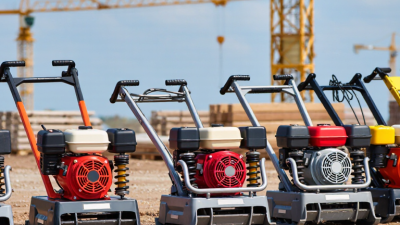
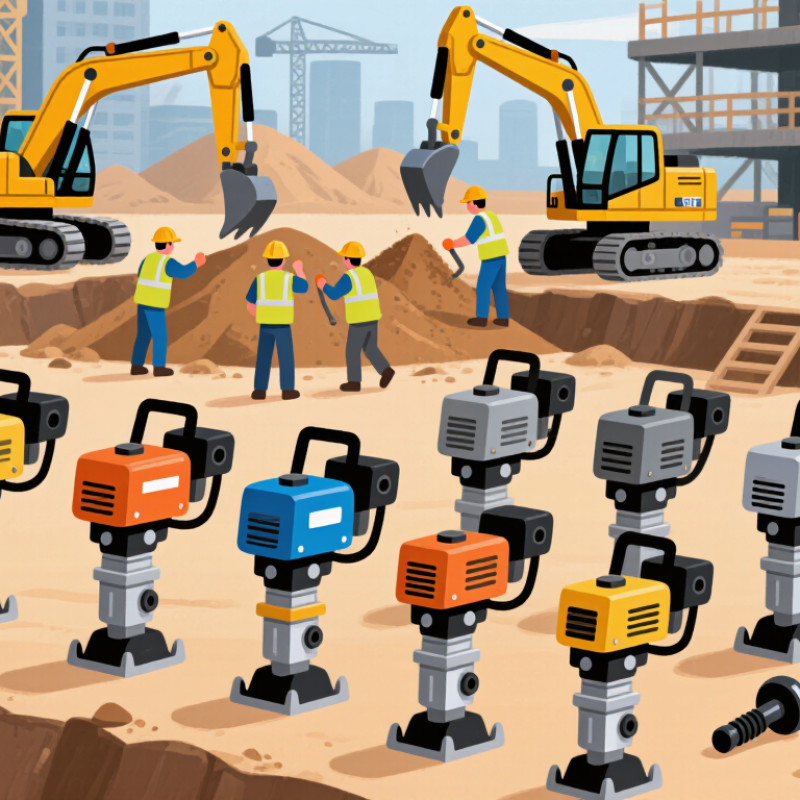
A vibrating compactor rammer is a small, walk-behind machine used to compact soil in narrow spaces. Crews often use one beside foundations, in trenches, and around utility lines, where wider rollers cannot fit. Its engine drives a crank-and-spring assembly, producing rapid vertical blows through a steel compaction shoe. The shoe strikes the ground repeatedly, pressing loose particles closer together and reducing air gaps. That matters. A rammer also hops forward, so the operator guides it along the work area rather than pushing it like a cart. It is especially useful on cohesive or mixed soils, though results depend on soil moisture, layer thickness, and machine settings.
Before starting, inspect the shoe, fasteners, fuel system, and controls. Work in thin, even layers; one deep pass rarely compacts soil uniformly. Keep a steady pace and avoid forcing the machine, which can cause uneven compaction or unnecessary wear. The sound and feel may change when the surface becomes firmer, but they cannot confirm density by themselves. For critical work, use an appropriate field test and follow the project specifications. Rammers can be tiring to handle, especially on rough ground. I would not treat operator judgment alone as proof of a good result.
Where Are Vibrating Rammers Commonly Used?
Vibrating rammers are commonly used where soil needs firm compaction but working space is limited. Typical jobs include backfilling utility trenches, repairing narrow road edges, preparing sidewalk bases, and compacting soil around foundations. Their small foot can reach corners and strips that larger rollers cannot. They work especially well in cohesive or mixed soils, though results depend on moisture and soil type. On a small landscaping job, for example, a rammer can compact a narrow path without disturbing nearby planting beds. They are less efficient on wide, open areas. Choosing one for every surface is an easy mistake.
Tips: Check the soil and the manufacturer’s operating guidance before work. Compact in manageable layers, not one deep fill. Keep the shoe level, and avoid forcing the machine forward. A few extra passes may help, but more is not always better.
Rammers also appear in road maintenance, drainage work, and building projects where crews need to compact around pipes or posts. Watch for uneven footprints or a machine that bounces excessively; these can indicate unsuitable ground or poor technique. Conditions vary from site to site, so operators should check compaction requirements rather than rely only on how firm the surface feels. A rammer is useful, but it does not replace testing where project specifications require it.
How Can Chinese Rammer Manufacturers Be Evaluated?
Evaluating a Chinese rammer manufacturer takes evidence from the factory floor, not polished catalog language. ISO’s 2022 Survey recorded about 1.26 million valid ISO 9001 certificates worldwide. Certification is common, not proof that every rammer performs well. Ask for the certificate’s scope, issuing body, audit date, and batch inspection records. Small details matter. Request test sheets for impact force, vibration frequency, shoe dimensions, operating mass, and engine output, including test methods and calibration records.
Compare similar models under the same soil and moisture conditions. ASTM D1557 defines laboratory compaction effort for soil, but it is not a universal rammer performance rating. Don’t treat one density result as proof. Check welds, handle isolation, fuel use, and spare-part lead times. A factory video cannot replace a witnessed test. Then test it. Run a sample on granular fill and inspect its fasteners and shoe wear after repeated passes. Get warranty exclusions and parts availability in writing. Results still vary with operator technique and site conditions; note that uncertainty in your evaluation.
How to Evaluate Chinese Vibrating Compactor Rammer Manufacturers
Suggested weighting for a practical supplier evaluation checklist
The chart shows suggested evaluation weights, not measured scores or a ranking of manufacturers. Verify product specifications, safety documentation, quality-control records, warranty terms, spare-parts availability, and service capability with each supplier.
Which 10 Chinese Manufacturers Produce Vibrating Compactor Rammers?
China has many suppliers of vibrating compactor rammers, but a reliable top-ten list needs verified factory data. A catalog alone cannot show who actually builds the machine. Some companies manufacture the rammer in-house; others assemble imported engines or resell finished equipment. That distinction is easy to miss.
For a brand-free comparison, assess ten manufacturers against the same practical checks: production facility, engine options, rammer weight, shoe dimensions, impact rate, and service support. Ask for a test video on compacted soil, not only a studio demonstration.
Check whether the handle reduces vibration and whether replacement shoes and filters are available. Request a written specification sheet and confirm that its figures match the machine being quoted. Small differences matter.
A lighter unit may suit narrow trenches, while a heavier model can provide stronger compaction but tire the operator sooner. I would not rank suppliers using online claims alone; factory evidence and after-sales details can change the picture.
One point still needs care: published impact figures may use different test methods, so compare them cautiously.
What Should Buyers Compare Before Choosing a Manufacturer?
Choosing a vibrating compactor rammer starts with the jobsite, not a catalog ranking. Compare the machine’s impact force, vibration rate, shoe size, and operating weight with your soil and trench dimensions. A narrow shoe can reach tight corners, while a wider one may cover open ground faster. More force is not always better. It can make a light machine harder to control.
Ask manufacturers for test data and a clear specification sheet. Check engine details, fuel use, starting method, handle vibration, and noise measurements. Then look closely at assembly quality: inspect welds, fasteners, protective guards, and the rammer shoe. A short demonstration video helps, but it cannot replace a real operating test. Ask how the machine performs after extended use, not only during a brief run.
Parts support matters when a job is waiting. Request a parts list, typical delivery times, warranty terms, and instructions for routine maintenance. Clarify what the warranty covers and what counts as wear. Compare sample units or test reports from the same production batch, if available. Paperwork can look reassuring. It is not proof of consistency. One detail buyers sometimes overlook is handle comfort; a machine that feels manageable for five minutes may feel tiring after a full shift.

 +86 13794985240
 CONTACT NUMBER
 CONTACT NUMBER