What is a Frame Support Bracket and How Does it Work?
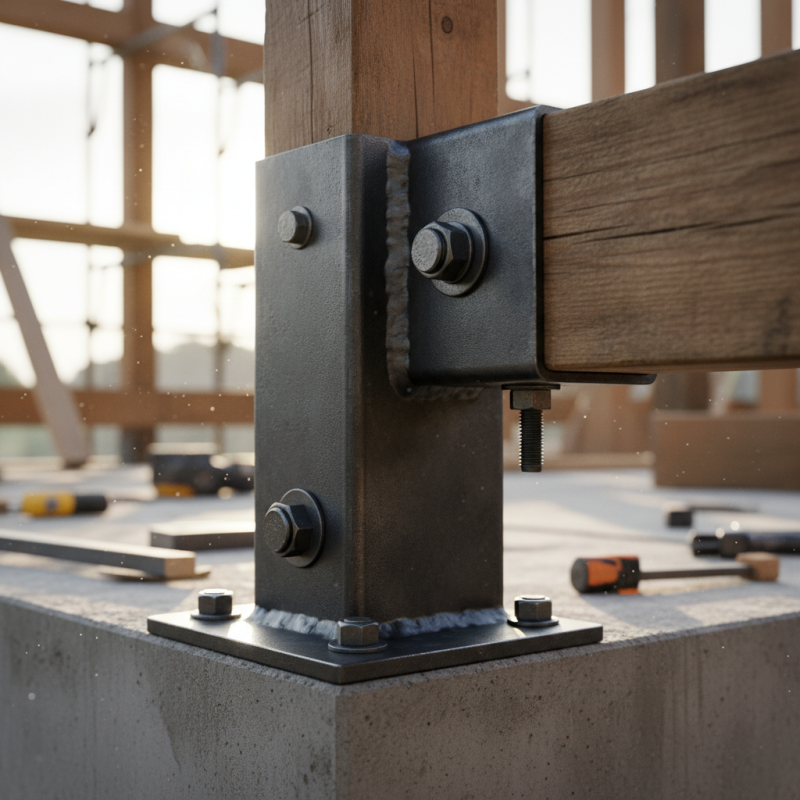
A Frame Support Bracket is an essential component in various constructions. It provides stability and strength to frameworks. Its design often involves metal or heavy-duty plastic, ensuring it can endure significant loads.
These brackets are commonly used in both residential and commercial projects. They help support beams, shelves, and even heavy machinery. Proper installation of a Frame Support Bracket is crucial. A poorly installed bracket can lead to structural failure. This is an issue that requires careful attention.
Understanding the functionality of a Frame Support Bracket can enhance safety. They can prevent accidents caused by falling objects. It's important to consider the weight limits and specifications. Ignoring these can lead to costly repairs. Each bracket may have its unique features and installation requirements, sometimes making them tricky to use effectively.
What is a Frame Support Bracket? Overview and Definition
A frame support bracket is a vital component in construction and design. It provides stability and reinforcement to various structures. These brackets are often made of metal or durable plastic. They help distribute weight evenly across a frame. This prevents sagging and structural failure over time.
In practical applications, frame support brackets can be found in many places. For example, they are commonly used in furniture assembly. A poorly placed bracket can lead to issues. It might not hold up the intended weight, resulting in a wobbling table or an unstable shelf. Users should be mindful of the load each bracket can carry.
Installation is key. An incorrectly installed bracket can significantly impact the overall strength of a structure. Ensuring that it is secured tightly is crucial. Even minor misalignments can cause problems later on. When using frame support brackets, attention to detail is important for safety and longevity.
Types of Frame Support Brackets: An Industry Perspective
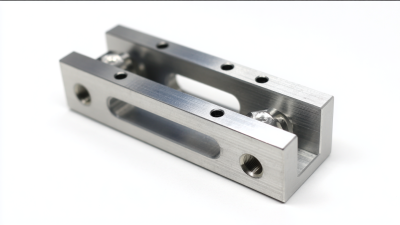
Frame support brackets play a crucial role in construction and engineering. They provide strength and stability to various frameworks. In the industry, several types of frame support brackets are recognized. Each type serves specific structural needs. For example, L-brackets are commonly used in lightweight applications. They are simple yet effective.
According to industry reports, over 65% of construction projects utilize frame support brackets to enhance durability. U-brackets are another popular choice. They offer deep support, often used in larger constructions. A report from the Construction Industry Institute shows that improper bracket installation can lead to a 15% increase in structural failures.
Interestingly, many engineers overlook the selection of proper brackets. This oversight can create significant issues down the line. While most understand the importance of brackets, few consider all types. Each application demands a specific bracket for optimal performance. Not addressing these needs may result in costly mistakes.
What is a Frame Support Bracket and How Does it Work? - Types of Frame Support Brackets: An Industry Perspective
| Bracket Type |
Material |
Load Capacity (lbs) |
Common Applications |
| L-Bracket |
Steel |
200 |
Furniture assembly, Shelving |
| Angle Bracket |
Aluminum |
150 |
Window frames, Building corners |
| T-Bracket |
Stainless Steel |
300 |
Door frames, Sign supports |
| Flat Bracket |
Plastic |
50 |
Lightweight fixtures, Indoor decor |
| Z-Bracket |
Galvanized Steel |
250 |
Roofing, Wall mount systems |
Key Materials Used in Frame Support Brackets and Their Benefits
Frame support brackets are essential components in many structures. They provide stability and strength. Made from various materials, each type offers unique benefits.
Steel is a common choice. It provides high tensile strength and durability. Steel brackets resist bending and deformation under heavy loads. However, they can be susceptible to rust if not treated properly.
Aluminum is another popular material. It is lightweight yet strong. Aluminum brackets do not rust, making them ideal for outdoor use. Nonetheless, they can be more expensive than steel options. Additionally, some might find that aluminum brackets can bend under excessive weight. Carefully assessing the load requirements is crucial. Selecting the right material is vital for ensuring safety and performance.
Frame Support Bracket Material Comparison
This chart compares different materials used in frame support brackets based on their weight. Each material's weight is represented in pounds per bracket, showcasing the variability and benefits of choosing different materials for frame support brackets.
How Frame Support Brackets Improve Structural Integrity and Load Distribution
Frame support brackets are essential components in construction. They enhance structural integrity by distributing loads evenly across the frame. This prevents localized strain on any single point. When weight is applied, these brackets absorb and redistribute it, reducing the risk of structural failure.
Tips: Always choose the right size of brackets. Overly large or small brackets may not provide adequate support. Inspect brackets regularly for wear or damage.
These brackets are especially effective in areas with high load demands. They keep the frame stable during extreme weather events. However, improper installation can lead to serious issues. It's crucial to follow guidelines closely. Misjudging the weight capacity might result in disaster.
Tips: Use quality materials for installation. Invest in durable types that resist corrosion. Consider consulting a structural engineer for large projects.
Installation Best Practices for Frame Support Brackets in Construction Projects
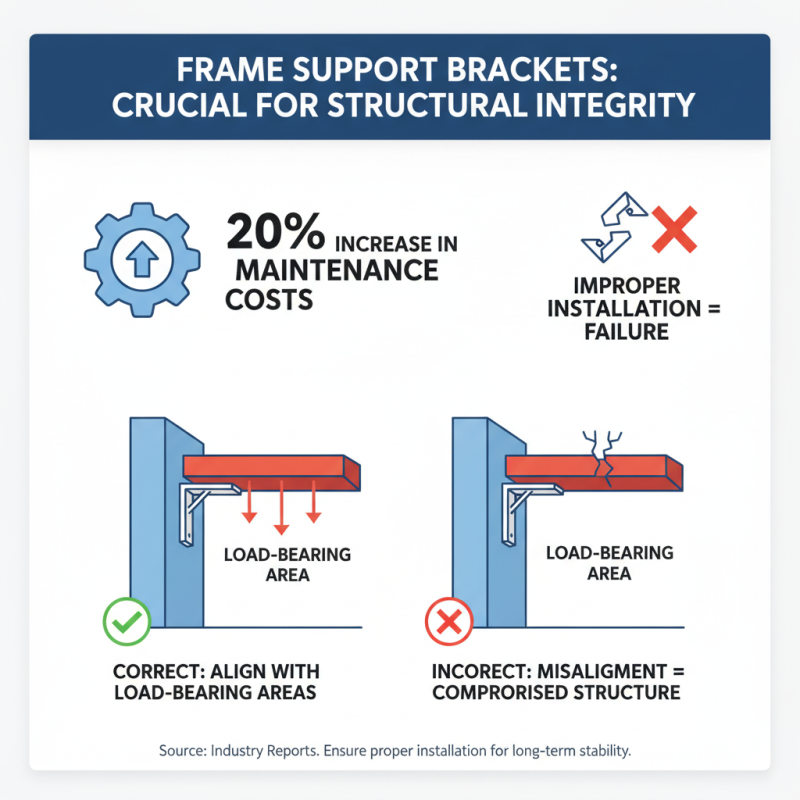
Installing frame support brackets correctly is crucial for structural integrity. According to industry reports, improper installation can lead to a staggering 20% increase in long-term maintenance costs. Workers must ensure brackets align with load-bearing areas to avoid failure. Simple mistakes like misalignment can compromise the entire structure.
When positioning brackets, it’s essential to account for potential load shifts. Engineers recommend using a level during installation. This minimizes the risk of uneven stress distribution. A study indicated that 15% of structural failures occurred due to improper adjustments. Using high-quality fasteners is non-negotiable, yet it can be tempting to cut costs.
Despite the best practices, installation challenges arise. Incomplete site assessments can result in errors. Project teams often overlook the importance of a thorough review before installing brackets. Ensuring all brackets are installed to spec is necessary, yet easy to forget in a busy work environment. A good rule of thumb is to conduct regular checks. Continuous improvement in these areas can lead to better outcomes in construction projects.

 +86 13794985240
 CONTACT NUMBER
 CONTACT NUMBER