Top Engine Cylinder Head Buying Tips for Global Buyers?
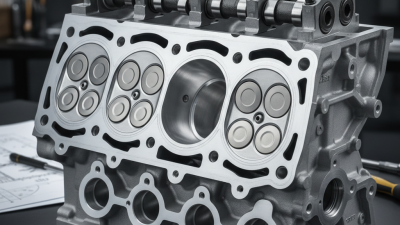
When it comes to purchasing an Engine Cylinder Head, understanding key factors is essential. This component plays a critical role in your engine's performance. A well-functioning engine cylinder head ensures optimal air and fuel flow, enhancing overall efficiency. Buyers often overlook vital aspects, leading to unsatisfactory choices.
Selecting the right engine cylinder head can be daunting. There are various designs and materials available. Each option has distinct advantages and disadvantages. Understanding these nuances can help buyers make informed decisions. Researching brands can establish trust and ensure quality. Many buyers may focus solely on price, neglecting performance and compatibility.
Moreover, engine cylinder heads can vary significantly across regions. Buyers should consider suppliers' reputations before finalizing their purchase. There is often a gap between what is advertised and actual performance. Taking the time to read reviews and compare products may lead to better outcomes. Thoughtful considerations can help prevent costly mistakes.

Understanding Engine Cylinder Head Types and Their Applications
When it comes to engine cylinder heads, understanding their types is crucial. They come in two main designs: overhead valve (OHV) and overhead cam (OHC) heads. OHV heads feature pushrods and rocker arms, creating a compact design. OHC heads, on the other hand, allow for more precise timing and better airflow. Choosing the right type can affect engine performance significantly.
Applications vary greatly for each head type. For example, OHV heads are common in older muscle cars, offering simplicity and ease of maintenance. In contrast, modern vehicles often utilize OHC heads for enhanced efficiency. These engines tend to outperform older designs in power and fuel economy. However, adapting a newer head to an older engine can pose challenges and require expertise.
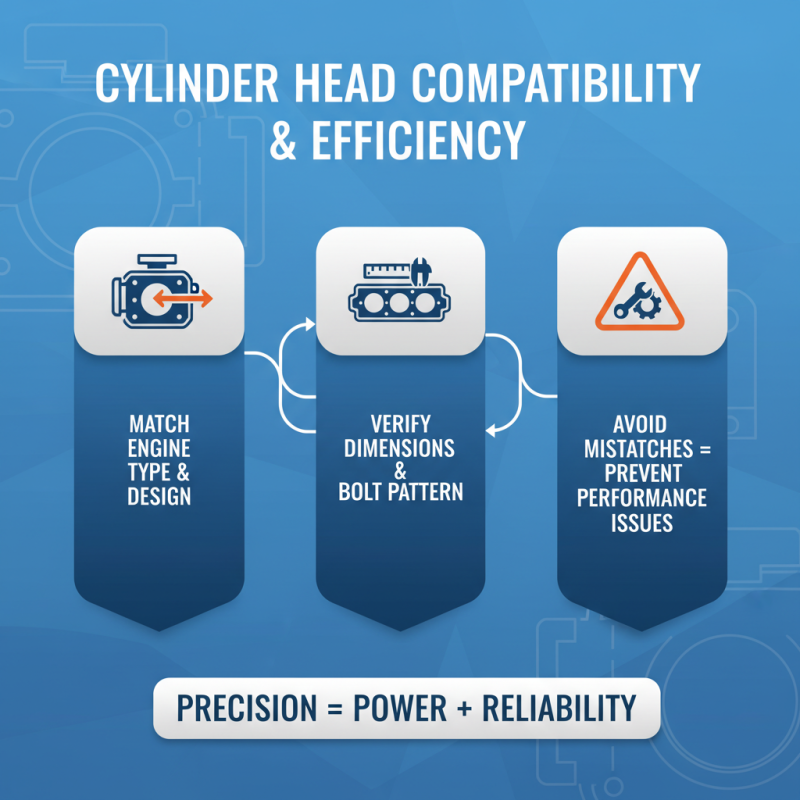
Buying the right engine cylinder head involves research and consideration. It's essential to match the cylinder head to the specific engine functions and desired performance outcomes. Some buyers may overlook the importance of compatibility, leading to potential installation issues. Reflecting on these factors can prevent costly mistakes and ensure optimal engine performance.
Key Material Considerations for Durability and Performance
When selecting an engine cylinder head, materials play a crucial role in both durability and performance. Aluminum and cast iron are the most common choices. Aluminum offers lightweight properties, enhancing overall engine efficiency. According to a report by the Society of Automotive Engineers, aluminum heads can reduce weight by up to 30% compared to cast iron alternatives. This weight reduction can significantly improve fuel efficiency and handling.
Cast iron, however, is known for its strength and resistance to wear. It can withstand higher operating temperatures, making it suitable for high-performance engines. However, it is heavier, which may negatively impact performance in some applications. Choosing the right material depends on the intended use of the engine and performance goals.
Another aspect to consider is the manufacturing process. Machining accuracy can affect the fit and seal of the cylinder head, impacting compression and combustion efficiency. Research shows that heads with better machining tolerances can improve engine performance by up to 15%. Buyers often overlook this detail, impacting long-term performance. Selecting a head with the right material and quality manufacturing is essential for maximizing engine longevity and efficiency.
Top Engine Cylinder Head Buying Tips for Global Buyers
| Material |
Durability Rating |
Heat Resistance |
Weight |
Performance Rating |
| Aluminum Alloy |
High |
Good |
Lightweight |
Excellent |
| Cast Iron |
Very High |
Excellent |
Heavy |
Good |
| Forged Steel |
Very High |
High |
Moderate |
Excellent |
| Composite Materials |
Medium |
Fair |
Lightweight |
Good |
Analyzing Market Trends and Pricing Factors for Global Purchasers
When purchasing engine cylinder heads, understanding market trends is crucial. Prices fluctuate based on various factors, including material quality, production costs, and demand. Global buyers need to assess how regional differences affect their purchasing decisions. For instance, some markets may prioritize cheaper options, while others focus on performance and durability.
Another key factor is the increase in demand for eco-friendly materials. Many consumers are becoming environmentally aware. This shift influences suppliers to offer sustainable options. However, the transition can lead to higher initial costs. Buyers must weigh the long-term benefits against immediate expenditures.
Additionally, staying informed about industry innovations can enhance purchasing strategies. New technologies can drive down production costs and improve efficiency. Buyers should explore diverse suppliers to compare offerings. This research may lead to better deals. If overlooked, it might result in overspending or suboptimal purchases. Engaging with experts or forums can provide essential insights, enriching the buying experience.
Best Practices for Sourcing and Supplier Selection in the Industry
When navigating the global market for engine cylinder heads, careful supplier selection is crucial. According to a report by Market Research Future, the global automotive cylinder head market is projected to grow significantly, reaching over USD 15 billion by 2025. This highlights the importance of choosing reliable suppliers who can deliver high-quality components.
One effective tip is to assess a supplier’s manufacturing capabilities. Check if they have certifications such as ISO 9001. This can indicate their commitment to quality management. Additionally, consider their history of innovation. Companies that invest in research and development often produce superior products.
Another aspect to evaluate is their customer service. Effective communication with suppliers can enhance the sourcing process. Use references or customer feedback to gauge their reliability. Understand that not every supplier may meet your requirements. It’s important to remain open to multiple options. Sometimes, a lesser-known supplier might offer innovative solutions at competitive pricing.
Finally, monitor market trends closely. Industry dynamics can change rapidly. Regularly updating your knowledge helps in making informed decisions. Being well-informed can minimize risks in the sourcing process.

 +86 13794985240
 CONTACT NUMBER
 CONTACT NUMBER