Top 10 Air Filters for Optimal Indoor Air Quality in 2026?
In the quest for optimal indoor air quality, selecting the right Air Filter stands paramount. According to the Indoor Air Quality Association, poor indoor air quality can lead to various health issues, impacting one's productivity and well-being. A recent study from the Environmental Protection Agency indicates that indoor air can be two to five times more polluted than outdoor air.
Renowned Air Filter expert Dr. Emily Tan states, "Investing in a high-quality Air Filter is essential for protecting your health and ensuring clean air." This emphasizes the importance of making informed choices when selecting air filters. The market is projected to grow significantly, with an expected increase in demand for high-efficiency particulate air filters.
Choosing a suitable filter isn't easy. Many consumers may overlook specific needs, leading to ineffective solutions. Investing time in understanding the types, sizes, and ratings of Air Filters available can yield better results. Lastly, it's crucial to reflect on whether your current filter truly meets your needs.

Top Features to Consider When Choosing Air Filters in 2026
When choosing air filters in 2026, several key features stand out. The efficiency rating, measured as Minimum Efficiency Reporting Value (MERV), is essential. Filters with a MERV rating of 13 or higher can capture 90% of airborne particles. This includes dust, pollen, and even bacteria. Air quality in homes can greatly improve with the right filter. The American Lung Association indicates that poor indoor air quality can lead to respiratory issues.
Another important consideration is filter lifespan. Long-lasting filters reduce waste and save money. Many high-efficiency filters can last up to six months. Regularly changing filters is crucial to maintaining optimal air quality. Neglect can diminish their effectiveness and impact air flow.
Tips:
Always check the filter's specifications for optimal performance. Some filters may need replacement sooner in areas with high allergens. Test your indoor air quality periodically. This helps you adjust your filter choice as needed. Being informed allows for better decision-making regarding your air quality.
Types of Air Filters: HEPA, Activated Carbon, and More
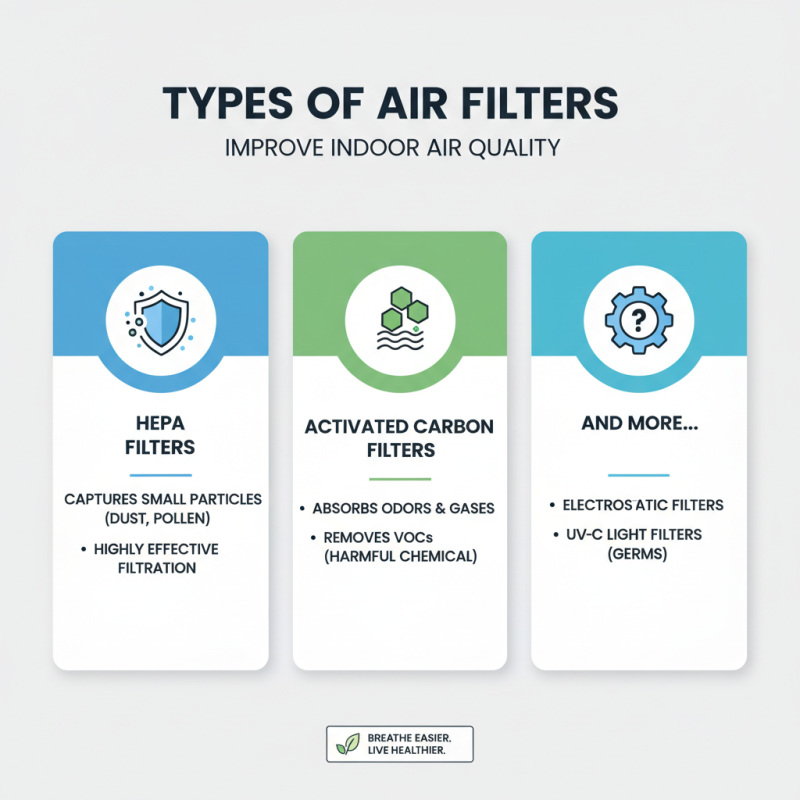
Indoor air quality plays a crucial role in our health. Various air filters can improve this quality. HEPA filters are well-known for capturing small particles, like dust and pollen. They provide highly effective filtration, making them popular in many homes. Activated carbon filters excel in absorbing odors and harmful gases. They can remove volatile organic compounds, enhancing the air you breathe.
Tips for choosing the right filter include assessing your specific needs. If allergies are a concern, a HEPA filter should be your first choice. Consider a combination filter to tackle both particulates and odors. Regularly check filter status; clogged filters can make air quality worse. Replacement schedules vary, so stay informed.
Other filters like UV light filters can kill bacteria. They add an extra layer of safety, especially for vulnerable groups. Ensure proper installation to maximize effectiveness. Reflect on the necessity of enhancing air quality in your space. A well-chosen filter can significantly impact health and comfort. Prioritize your environment; it truly matters.
The Role of Air Filters in Improving Indoor Air Quality
Air filters play a crucial role in enhancing indoor air quality. They trap dust, pollen, smoke, and other airborne pollutants. This process dramatically reduces allergens and irritants in the air. In homes where pets roam freely, these filters are especially vital. They help manage pet dander effectively.
Choosing the right air filter requires careful consideration. Consider the particle size and efficiency rating. High-efficiency particulate air (HEPA) filters capture at least 99.97% of particles. Regular maintenance is another essential factor. Change filters every three months to ensure optimal performance.
Tips to improve air quality include regularly dusting and vacuuming. Open windows when weather allows to increase airflow. Living plants can also help purify the air. However, not all plants are equal. Some can produce allergens, leading to the opposite effect. Staying informed about the air quality inside your home is key.
Best Brands and Models of Air Filters for 2026
When selecting air filters to improve indoor air quality in 2026, key factors play a crucial role. High-efficiency particulate air (HEPA) filters are often recommended due to their ability to capture small particles effectively. However, many consumers still overlook the importance of filter maintenance. It’s easy to forget about changing filters regularly, which can lead to reduced performance.
Research indicates that activated carbon filters are also effective against odors and chemical pollutants. Yet, some users express dissatisfaction when expectations are not met. Periodic assessments help identify when a filter is no longer effective. This practice not only prolongs the filter's lifespan but also ensures you breathe cleaner air.
Consider the right size for your space. Filters must fit well within the system. A poor fit can hinder airflow and decrease efficiency. While some brands promote themselves vigorously, it’s essential to rely on research and reviews from trusted sources. Only then can consumers make informed choices about indoor air quality.
Top 10 Air Filters for Optimal Indoor Air Quality in 2026
Maintenance Tips for Ensuring Optimal Performance of Air Filters
Air filters play a crucial role in maintaining indoor air quality. Regular maintenance is key to ensuring they function effectively. Without proper care, their efficiency can diminish quickly.
One important tip is to check your air filters monthly. Dust and debris can accumulate, making them less effective. If you notice discoloration or heavy dirt buildup, it’s time to replace them. This simple act can significantly improve air quality.
Additionally, ensure a clean filter installation. A poorly fitted filter allows pollutants to bypass filtration. Proper sealing around the edges prevents leaks of unfiltered air. Lastly, don't forget to frequently review the manufacturer's guidelines for your specific model. Each type of filter has unique requirements for maintenance and longevity.

 +86 13794985240
 CONTACT NUMBER
 CONTACT NUMBER