How to Choose the Right Boom Cylinder for Your Needs?
Choosing the right Boom Cylinder for your needs can seem daunting. Industry expert John Smith, a senior engineer at Hydraulics Inc., emphasizes, “Selecting the wrong Boom Cylinder can lead to inefficiencies and increased operational costs.” His insight highlights the importance of making an informed decision.
When evaluating Boom Cylinders, consider your specific application. Different projects require varying force levels, stroke lengths, and mounting styles. Understanding these parameters can greatly impact your equipment's performance. However, many overlook essential details, leading to mismatches.
Reliability is key when selecting a Boom Cylinder. Quality and durability matter. Faulty cylinders can halt operations and incur costly downtime. It's essential to assess product ratings and user reviews. Always seek reliable suppliers who provide adequate support. The landscape of Boom Cylinders is complex, and it’s vital to navigate it carefully for optimal results.
Factors to Consider When Selecting a Boom Cylinder for Hydraulic Applications
Selecting the right boom cylinder for hydraulic applications requires careful consideration of several key factors. The cylinder’s size is crucial, specifically its bore diameter and stroke length. A report by the National Fluid Power Association indicates that incorrect sizing can lead to reduced efficiency and increased wear. For example, a cylinder that is too small may not handle the required load, resulting in potential failure during operation.
Another important factor is the material composition of the boom cylinder. High-strength steel is commonly used, but the choice of material should depend on the environment. For example, if the cylinder will operate in corrosive conditions, there may be a need for stainless steel. Statistics from the American Society of Mechanical Engineers show that material choice can affect the lifespan of hydraulic components by over 30%.
Lastly, the mounting style of the cylinder plays a pivotal role in stability and performance. Cylinders can be mounted in multiple ways, such as pivot and fixed mounts. Each style has its own advantages and drawbacks. It is essential to reflect on the specific needs of the application. Proper alignment and mounting ensure optimal functionality, preventing unnecessary malfunctions and downtime. Consider how the chosen mounting option will influence your project's overall success.
How to Choose the Right Boom Cylinder for Your Needs?
| Cylinder Type |
Stroke Length (mm) |
Bore Diameter (mm) |
Rod Diameter (mm) |
Working Pressure (Bar) |
Weight (kg) |
| telescopic |
3000 |
100 |
60 |
210 |
25 |
| Single-acting |
1500 |
80 |
45 |
180 |
15 |
| Double-acting |
2500 |
90 |
50 |
200 |
20 |
| Articulating |
1800 |
110 |
70 |
220 |
30 |
| Heavy Duty |
3500 |
120 |
80 |
300 |
35 |
Understanding the Different Types of Boom Cylinders and Their Advantages
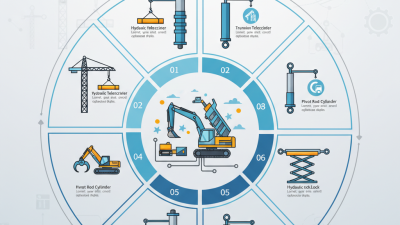
When selecting a boom cylinder, understanding the types available is crucial. Boom cylinders typically come in two main varieties: single-acting and double-acting. Single-acting cylinders exert force in one direction, relying on gravity or a spring to return. They are simpler and often lighter. Double-acting cylinders provide force in both directions, offering more control and power. This makes them ideal for tasks requiring robust lifting capabilities.
Tips: Consider the specific application before choosing. For lifting heavy loads, double-acting cylinders are often more effective. Analyze the mounting locations and available space. Ensure the cylinder fits properly without strain.
Another aspect to contemplate is the material. Steel cylinders offer durability but may add weight. Aluminum cylinders are lighter, making handling easier but often less robust. Evaluate the environmental factors as well, such as exposure to moisture and chemicals. Ensure the material can withstand the operational environment.
Tips: Don't overlook your project's longevity. Consider how often the cylinder will be used and its expected lifespan. Regular maintenance checks can extend functionality and safety. Always have a contingency plan if a cylinder fails.
Understanding the Different Types of Boom Cylinders and Their Advantages
Key Specifications: Stroke Length, Bore Size, and Pressure Ratings Explained
Choosing the right boom cylinder requires thoughtful consideration of key specifications like stroke length, bore size, and pressure ratings. Stroke length determines how far the cylinder can extend. It directly impacts the machine's reach. For example, cylinders with longer strokes, usually 48 inches or more, allow for greater extension. However, this can also complicate the design, increasing potential failure points.
Bore size is crucial as well. It affects the cylinder's lifting capacity and overall strength. Industry standards indicate that larger bore sizes can handle higher loads. A bore size of 2 to 4 inches is common for medium-duty applications. However, using an oversized cylinder can lead to excessive weight and inefficient operation. Balancing size and performance is vital.
Pressure ratings further inform the suitability of a boom cylinder. A typical boom cylinder operates between 2,000 to 3,000 PSI. Exceeding these ratings can result in catastrophic failure. Industry reports reflect that improper pressure settings account for nearly 20% of hydraulic system failures. Regular maintenance and checks can mitigate these risks. An understanding of these specifications leads to more informed decisions, optimizing equipment performance and longevity.
Material and Design Considerations in Boom Cylinder Selection
Choosing the right boom cylinder involves careful consideration of material and design. The material impacts durability, weight, and resistance to corrosion. Common materials are steel, aluminum, and composite materials. Steel offers high strength but can add significant weight. Aluminum is lighter and resistant to rust, yet may not support heavy loads effectively. According to industry reports, approximately 25% of equipment failures occur due to poor material choices in hydraulic systems.
Design considerations also play a crucial role. Cylinder bore size directly influences lifting capacity, while rod diameter affects load stability. The design must accommodate the operating environment. For instance, cylinders exposed to extreme temperatures or vibrations require specialized designs. It's worth noting that around 30% of maintenance issues arise from misalignment in boom cylinder installations.
Regularly consulting engineering guidelines ensures optimal performance. Evaluate the specific needs of each project. Your choice will impact efficiency and operating costs significantly. Reflecting on the unique demands of your application is essential. Missteps in selection or installation can lead to costly downtime. Balancing material and design effectively is key to enhancing productivity.
Industry Standards and Compliance for Boom Cylinder Performance and Safety
When selecting a boom cylinder, industry standards play a crucial role in performance and safety. Compliance with these standards ensures that the cylinder can handle specified loads and operates efficiently. Look for certifications that indicate adherence to guidelines set by recognized authorities. This not only contributes to safety but also enhances the longevity of the cylinder.
Performance metrics are essential in evaluating a cylinder. Factors like cycle time, pressure ratings, and operational temperature should be considered. A thorough understanding of these aspects can prevent costly mistakes. Even with good intentions, choosing poorly may lead to inefficiencies or accidents. Regular inspections can help in identifying potential issues early, ensuring consistent performance.
Safety protocols must be prioritized during the selection process. Training operations staff about the proper use of boom cylinders is vital. It's tempting to overlook this aspect, but it can significantly reduce risks. Reflecting on past incidents can guide future decisions. Above all, a boom cylinder should not only meet technical specifications but also exceed safety expectations.
 +86 13794985240
 CONTACT NUMBER
 CONTACT NUMBER