How to Choose the Right Arm Cylinder for Your Needs?
Selecting the right Arm Cylinder is crucial for efficiency in various applications. According to industry expert John Smith, "Choosing the correct Arm Cylinder can significantly enhance performance and safety." This highlights the importance of making informed decisions in this field.
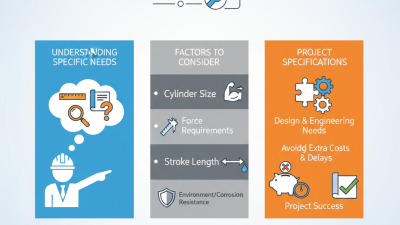
When evaluating Arm Cylinders, consider the specific requirements of your application. Factors include size, force capacity, and mounting options. An inadequate selection could lead to inefficiencies and safety issues. The right fit improves overall operation and reduces maintenance concerns.
It's essential to consult with manufacturers or experts. Gathering insights from those with real-world experience will provide clarity. A well-chosen Arm Cylinder is not just a mechanical component; it is the backbone of your project’s success.
Understanding the Basics of Arm Cylinders and Their Applications
Arm cylinders are essential components in various industries. They perform vital functions in machinery, automating processes and enhancing efficiency. Understanding how they work is crucial for making informed decisions. These cylinders typically utilize hydraulic or pneumatic pressure to create linear motion.
This motion can be harnessed for lifting, pushing, or pulling heavy loads.
Choosing the right arm cylinder hinges on specific project requirements. Consider size, weight capacity, and stroke length. Analyze the application environment, whether it’s indoors or outdoors, and factor in the exposure to elements. Each application has unique demands. A cylinder suitable for one task may not be effective in another scenario. Conducting a thorough assessment before selection can prevent costly mistakes.
In practical terms, having the right cylinder can make all the difference. An undersized cylinder may struggle under load, leading to failures. On the other hand, an oversized cylinder can waste energy and increase costs. Reflecting on past projects often reveals crucial lessons. Each decision impacts performance metrics and operational success. Recognizing this helps tailor future choices more effectively.
Identifying Your Specific Needs and Requirements for Arm Cylinders
Choosing the right arm cylinder requires a deep understanding of your specific needs and requirements.
Define the application and intended use clearly.
Are you working with heavy machinery, or perhaps in a packaging line? Each scenario may demand different specifications.
According to industry data, approximately 70% of arm cylinder failures stem from improper sizing.
Thus, initial evaluations are crucial.
Payload capacity is another vital factor. Assess the maximum load the arm cylinder will handle.
Research indicates that selecting a cylinder with inadequate capacity can lead to premature wear and maintenance issues.
It's also important to consider stroke length, which should match your operational needs.
As a rule of thumb, ensuring a little extra capacity can be beneficial, accounting for unforeseen operational stresses.
Environmental factors can impact your decision, too. Consider exposure to extreme temperatures, dust, or moisture.
A report from the International Fluid Power Society highlights that 40% of cylinder failures are linked to environmental conditions.
Ignoring these details may result in significant downtime. Be prepared to refine your criteria.
Regular assessments on performance might reveal new needs, ensuring the chosen cylinder truly fits the tasks at hand.
Key Factors to Consider When Selecting an Arm Cylinder
When selecting the right arm cylinder, several key factors must be considered. The size of the cylinder is one of the most important aspects. It must fit the available space while meeting your operational requirements. If the cylinder is too large, it may hinder movement. If too small, it may not provide the necessary force. Balancing size and function can be challenging.
Another crucial factor is the material of the arm cylinder. Different materials offer varied levels of durability and weight. Steel cylinders are strong but heavier. Aluminum alternatives are lighter yet may not endure extreme pressure well. Choosing the right material depends on your specific application and the environment where the cylinder will operate. Think about the conditions it will face. Corrosive environments may require special coatings or different materials altogether.
Don't overlook the installation requirements. Some arm cylinders need complex setups. Consider the necessary maintenance too. Regular checks can prevent unexpected failures. Reflect on your past experiences with equipment. Have you faced issues that could have been avoided with better planning? Remember, it's not just about immediate needs. Long-term reliability should also guide your decision-making.
How to Choose the Right Arm Cylinder for Your Needs?
| Key Factor |
Description |
Impact on Selection |
| Load Capacity |
The maximum load the cylinder can handle safely. |
Determines the size and type of cylinder needed. |
| Stroke Length |
The distance the cylinder can extend or retract. |
Affects the range of movement of the arm. |
| Mounting Style |
How the cylinder is attached to the machinery. |
Influences installation and integration in applications. |
| Cylinder Type |
Single-acting vs. double-acting cylinders. |
Determines the operational behavior and efficiency. |
| Operating Pressure |
The pressure required to operate the cylinder. |
Affects energy consumption and performance. |
| Material |
The composition of the cylinder, such as steel, aluminum, etc. |
Impact on durability and weight. |
Types of Arm Cylinders: Which One is Best for Your Project?
When selecting an arm cylinder, understanding the types available is crucial. Hydraulic cylinders provide high power and efficiency, ideal for heavy lifting tasks. Pneumatic cylinders, on the other hand, are perfect for lighter applications. They offer quick movement and are often used in assembly lines.
Consider the specific needs of your project. If you require precise control and moderate force, a pneumatic option may suffice. For projects needing significant lifting capabilities, a hydraulic cylinder will be more suitable. Factors like load capacity and operating speed matter too. Choosing the wrong type can lead to inefficiencies or even equipment failure.
Pay attention to dimensions and mounting options as well. Misalignment can cause wear and damage. Look for cylinders that fit your design without modifications. Additionally, think about the environment. Consider temperature, humidity, and potential chemical exposure. These factors can affect cylinder performance and longevity. It's essential to balance all these elements to make the best choice for your project.
Arm Cylinder Types Comparison
Maintenance and Care Tips for Optimal Arm Cylinder Performance
Maintaining your arm cylinder is crucial for optimal performance. Regular maintenance can significantly extend the life of the cylinder. According to industry reports, 40% of hydraulic system failures stem from inadequate maintenance practices. A simple routine can help mitigate these risks.
Inspect the seals and connections frequently. Hydraulic oil leaks can be costly. Ensure that the oil is at the correct level and meets the necessary specifications. The right oil plays a vital role in reducing friction and heat. It is essential to understand that even small contaminants can lead to significant failures.
Another key point is regular cleaning. Dirt and grime can hinder performance. A clean environment for the arm cylinder fosters efficiency. Additionally, record keeping of maintenance activities can identify trends. Tracking these parameters can reveal potential issues before they escalate. Being proactive can save time and resources in the long run. Remember, optimal performance comes from consistent care and attention to detail.
 +86 13794985240
 CONTACT NUMBER
 CONTACT NUMBER