How to Choose the Right Cylinder Liner for Your Engine?
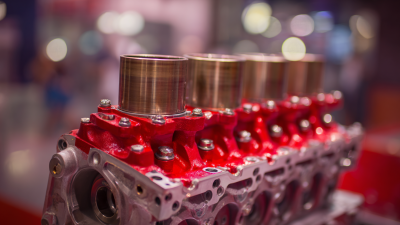
Choosing the right Cylinder Liner for your engine is crucial. It impacts performance and longevity. A proper fit ensures optimal engine function. Cylinder Liners come in various materials and designs. Each choice affects heat dissipation and wear resistance.
Consider the specific needs of your engine. Different applications require different liner features. For instance, heavy-duty engines may benefit from thicker liners. Alternatively, high-performance applications may prioritize lightweight materials. Understand the trade-offs involved in each option.
Selecting an appropriate Cylinder Liner demands careful evaluation. Rely on expert advice and industry standards. Quality assurance is key. Avoid low-cost options that may compromise reliability. Remember, the right liner enhances engine efficiency. It can prevent costly repairs down the line. Reflect on your choices to ensure a lasting impact.
Understanding Cylinder Liners: Types and Functions in Engines
Cylinder liners play a crucial role in engine performance. They act as a barrier between the combustion chamber and the engine block. Understanding their types helps to make informed choices. Common types include cast iron and steel liners. Each type offers unique benefits. Cast iron liners are durable and cost-effective. Steel liners, on the other hand, provide higher resistance to wear.
When selecting a cylinder liner, consider the engine's application. For high-performance engines, steel liners might be the better choice. They can handle extreme temperatures and pressures. However, they are typically more expensive. Cast iron's affordability makes it attractive for standard engines. It's sufficient for everyday use and offers solid longevity.
Tips: Always assess the engine’s thermal load before making your choice. A mismatch can lead to premature wear. Also, stay informed about advancements in liner technology. Developments in coatings can enhance performance. Be cautious; all liners aren’t created equal. Check compatibility with your engine's specifications. This knowledge can significantly impact your engine's reliability.
Understanding Cylinder Liners: Types and Functions in Engines
Evaluating Material Options: Cast Iron vs. Aluminum Liners
When selecting a cylinder liner for your engine, the choice of material is crucial. Cast iron and aluminum are common options, each boasting unique characteristics. Cast iron liners, known for their durability, offer excellent wear resistance. They can handle high temperatures and pressures. This makes them ideal for heavy-duty applications. However, they are heavier, which may affect overall engine weight.
On the other hand, aluminum liners are lighter and have good thermal conductivity. This can enhance engine performance by improving heat dissipation. However, they may not be as durable as cast iron. They can warp under extreme conditions. This raises questions about longevity in high-performance settings.
It's essential to consider the engine's intended use. A cast iron liner may be preferable for heavy machinery. Meanwhile, aluminum could be beneficial for racing engines where weight savings are critical. Ultimately, assessing your specific needs will guide you toward the right decision.
Key Specifications: Measuring Cylinder Liner Diameter and Thickness
Choosing the right cylinder liner for your engine involves careful consideration of key specifications. Two crucial factors are the diameter and thickness of the liner. Accurate measurements ensure that the liner fits perfectly within the cylinder block. A mismatch can cause performance issues or even engine failure.
To measure the diameter, use a caliper for precise readings. Small discrepancies can lead to significant performance differences. The thickness is also vital. A thicker liner can provide better durability and heat resistance, but it may also add weight. Balancing these specifications with your engine’s design is essential.
Errors in measurement are common. Some may rush the process, leading to imprecise results. Always double-check your dimensions. Utilize tools designed for engine specifications, and consult relevant guidelines for best practices. Attention to detail is paramount in ensuring the longevity and efficiency of your engine.
Assessing Engine Performance: The Role of Cylinder Liner Fitment
When assessing engine performance, the fitment of cylinder liners plays a crucial role. A proper fit ensures optimal sealing and compression. According to studies, a misfit can lead to a decrease in engine power by up to 15%. This significant loss highlights the importance of careful measurement and selection of cylinder liners.
Additionally, the material and design of the liner can impact thermal efficiency. Research indicates that using high-quality alloys can enhance heat resistance. This can prevent warping and prolong engine life. Studies suggest that engines with well-fitted liners achieve 10-20% better fuel efficiency. However, it is vital to regularly monitor the condition of the liners, as wear can lead to performance degradation.
Many mechanics overlook the liner fitment process. They may rush, assuming standard sizes will suffice. The reality is that engine tolerances can vary widely. Engine performance may suffer if these variations are not accounted for. Regular inspection and precise adjustment can mitigate potential issues. This proactive approach is essential for maintaining performance and reliability.
Longevity Factors: Predicting Wear Rates in Cylinder Liners and Maintenance
Choosing the right cylinder liner is crucial for engine performance. Longevity factors play a significant role in wear rates. According to a report by the Society of Automotive Engineers, cylinder liners may experience wear rates of up to 0.5 mm per 1,000 operating hours. The material composition, especially the hardness and surface finish, directly influences this rate. Over time, poor selections can lead to increased maintenance costs and downtime.
It's essential to consider how operating conditions affect wear. For instance, high temperatures and abrasive particles in the engine oil exacerbate wear. A study indicated that liners operating in adverse environments can wear 50% faster. This highlights the need for robust materials and effective lubricants.
**Tip:** Regularly inspect your cylinder liners for signs of wear or damage. Early detection can significantly prolong engine life.
Engine maintenance plays a pivotal role in extending liner longevity. Consistent oil changes and the use of quality filtration systems minimize contaminants. Data suggests that engines with well-maintained oil systems have wear rates reduced by as much as 30%.
**Tip:** Follow a strict maintenance schedule for optimal performance. This ensures your engine runs smoother, enhancing durability and efficiency.
How to Choose the Right Cylinder Liner for Your Engine? - Longevity Factors: Predicting Wear Rates in Cylinder Liners and Maintenance
| Cylinder Liner Material |
Typical Wear Rate (mm/year) |
Operating Temperature (°C) |
Maintenance Frequency (hours) |
Expected Longevity (years) |
| Cast Iron |
0.07 |
150 |
500 |
10 |
| Aluminum |
0.05 |
200 |
400 |
8 |
| Steel |
0.03 |
250 |
600 |
12 |
| Nickel Composite |
0.02 |
300 |
700 |
15 |

 +86 13794985240
 CONTACT NUMBER
 CONTACT NUMBER