How to Choose the Right Cylinder Liner for Your Engine?
When it comes to engine performance, the choice of a Cylinder Liner is crucial. Industry expert John Smith, a renowned automotive engineer, once stated, "The right Cylinder Liner can make or break an engine's efficiency." Selecting the proper liner can enhance durability and optimize engine power output.
Many factors influence this decision. Material type, dimensions, and manufacturing processes all play significant roles. A mismatch in these aspects may lead to reduced performance and increased wear over time. Real-world applications demonstrate that even minor deviations can have serious consequences.
Moreover, understanding your engine's specific requirements is essential. Not all Cylinder Liners are created equal; each engine type demands unique specifications. Reflecting on the common pitfalls in selection can lead to better-informed choices, ultimately enhancing engine reliability and performance.
Understanding Cylinder Liners: Types and Materials
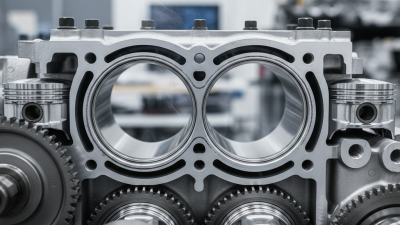
Cylinder liners play a vital role in engine performance. They are crucial components that protect the engine block and provide a smooth surface for piston movement. Understanding the types and materials of cylinder liners can greatly affect engine longevity and efficiency.
There are generally two types of cylinder liners: wet and dry. Wet liners are surrounded by coolant, while dry liners are mounted tightly in the engine block. According to a report by the Engineered Materials Association, using wet liners can improve cooling efficiency by up to 20%. However, dry liners often have a shorter production time. This trade-off requires careful consideration based on specific engine needs.
When choosing materials, cast iron and aluminum are the most common. Cast iron is well-known for its durability and resistance to wear. In contrast, aluminum liners offer reduced weight, improving fuel efficiency. Engineers recommend evaluating the vehicle's application to make the best decision.
Tip: Consider engine longevity and service interval. Well-chosen liners may extend service intervals significantly. Always consult with technical experts to assess the unique requirements of your engine.
In making a decision, reflect on your engine's demands. There is no one-size-fits-all solution. Factors such as application, weight considerations, and thermal performance must be weighed carefully. Ignoring these elements can lead to suboptimal engine performance.
Key Factors to Consider When Choosing a Cylinder Liner
When choosing a cylinder liner for your engine, several key factors are essential. The material of the liner is crucial. Cast iron and aluminum are popular choices, each offering distinct properties.
Cast iron is durable but heavier. Aluminum offers lighter weight but may not withstand high temperatures as well. The choice depends on your engine's requirements and intended use.
The design of the cylinder liner is another critical aspect. Consider features like thickness and cooling channels. A thicker liner can provide better durability but may alter performance. Proper cooling channels help maintain optimal operating temperatures. This is vital for engine longevity. Additionally, compatibility with existing engine components must be assessed.
Finally, the liner's surface finish plays a significant role. A smoother finish can improve sealing and reduce friction. However, some roughness may be beneficial for oil retention. Striking the right balance can be challenging. It’s essential to reflect on your engine's specific needs. A poorly chosen liner can lead to performance losses or premature wear.
Measuring Engine Specifications for Proper Liner Fit
Choosing the right cylinder liner begins with accurate measurements of engine specifications. Engine dimensions, including bore size and stroke length, play a crucial role. According to industry data, a misfit liner can lead to significant engine wear, reducing life expectancy by up to 30%. Proper measurement ensures that liners fit snugly, optimizing performance and reducing friction.
To achieve the perfect fit, use precise tools like calipers. Ensure you measure the cylinder’s bore diameter and depth accurately. Small discrepancies can cause severe issues. The recommended tolerance for an optimal liner fit is often around 0.01 mm. Regularly checking these measurements can save time and costs in repair.
**Tips**: Always consult a technical manual for specific measurements. Precision is key. Consider using digital measuring devices for accuracy. Maintain a clean workspace to prevent contaminants from affecting measurements. A little attention can go a long way in preventing future complications.
Evaluating Durability and Performance of Cylinder Liners
When evaluating the durability and performance of cylinder liners, several factors come into play. Material composition is crucial. Cast iron and aluminum alloys offer different benefits. Cast iron is known for its wear resistance, while aluminum provides lighter weight. Both have unique thermal expansion properties that affect engine performance. The choice between them may depend on your specific needs and engine design.
Surface treatment is another key aspect. A well-treated liner can significantly enhance wear resistance. Coatings can improve friction levels and reduce heat buildup. It's essential to consider how the liner interacts with other components. Misalignment can cause premature wear and impact overall engine life.
It’s important to reflect on the testing methods used. Comprehensive testing can reveal weaknesses not visible in initial inspections. Longevity is vital, yet sometimes overlooked. Regular maintenance routines should account for cylinder liner wear. This proactive approach ensures optimal performance over time. Making informed decisions now can save on costly repairs later.
Maintaining Cylinder Liners for Longevity and Efficiency
Maintaining cylinder liners is crucial for optimal engine performance. Regular inspection can prevent costly repairs. Look for signs of wear and corrosion. Small scratches may not seem significant but can lead to larger issues. A keen eye can make a difference.
Lubrication is essential for longevity. Quality oil reduces friction between the liner and piston. Changing the oil at regular intervals helps maintain this balance. Monitor oil viscosity, as it can degrade over time. Fresh oil promotes better engine health.
Overheating can damage cylinder liners. Ensure that the engine cooling system is functioning properly. Anytime you notice unusual temperature readings, take immediate action. Sometimes, prevention is more efficient than repair. Regular maintenance checks might seem tedious, but they are vital for efficiency and longevity. They help you identify potential problems before they escalate.
Comparative Analysis of Cylinder Liner Materials
This bar chart compares different cylinder liner materials based on cost per unit and durability. Cast iron and aluminum are the most affordable options, whereas steel offers the best durability, making it crucial to consider both factors when selecting a cylinder liner for optimal engine performance.

 +86 13794985240
 CONTACT NUMBER
 CONTACT NUMBER