How to Choose the Best Engine Cylinder Head for Your Needs?
Choosing the right Engine Cylinder Head can significantly impact your vehicle's performance. A well-matched cylinder head enhances efficiency, boosts power, and can improve fuel economy. It’s crucial to understand your engine's specific needs before making a decision.
Consider your vehicle’s engine type and performance goals. Not all cylinder heads are created equal. Some may improve horsepower, while others focus on torque. Researching different materials—like aluminum or cast iron—is also important. Each has unique benefits and drawbacks.
However, selecting an Engine Cylinder Head can be overwhelming. You may encounter conflicting information or brands claiming superiority. This can lead to mistakes. It’s best to seek expert advice and reviews, focusing on real user experiences. Evaluating reliability and compatibility will guide your choice, ensuring that you invest wisely in your engine's future.
Understanding Engine Cylinder Head Functions and Design
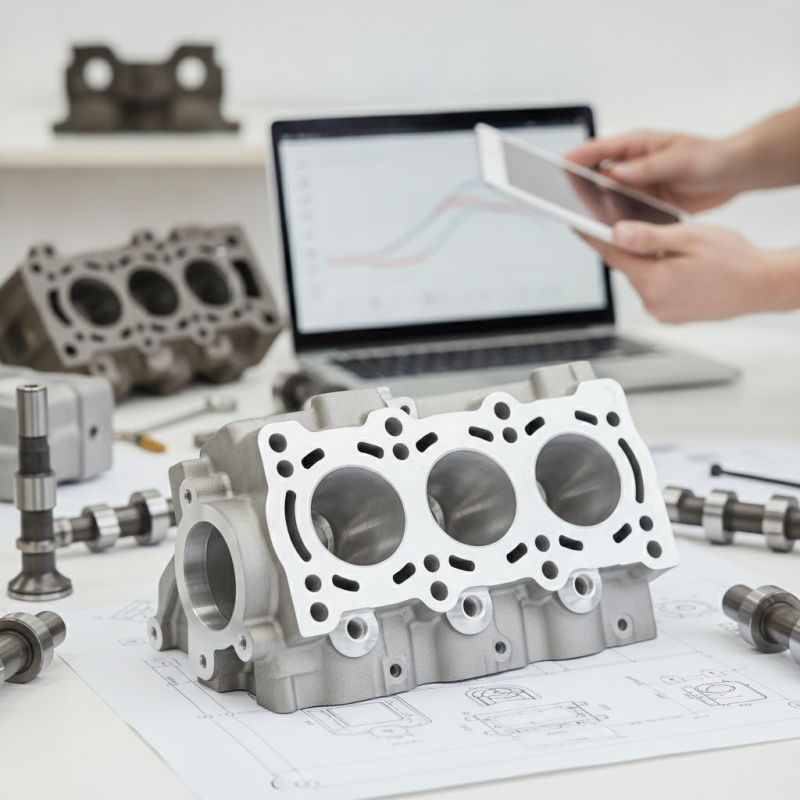
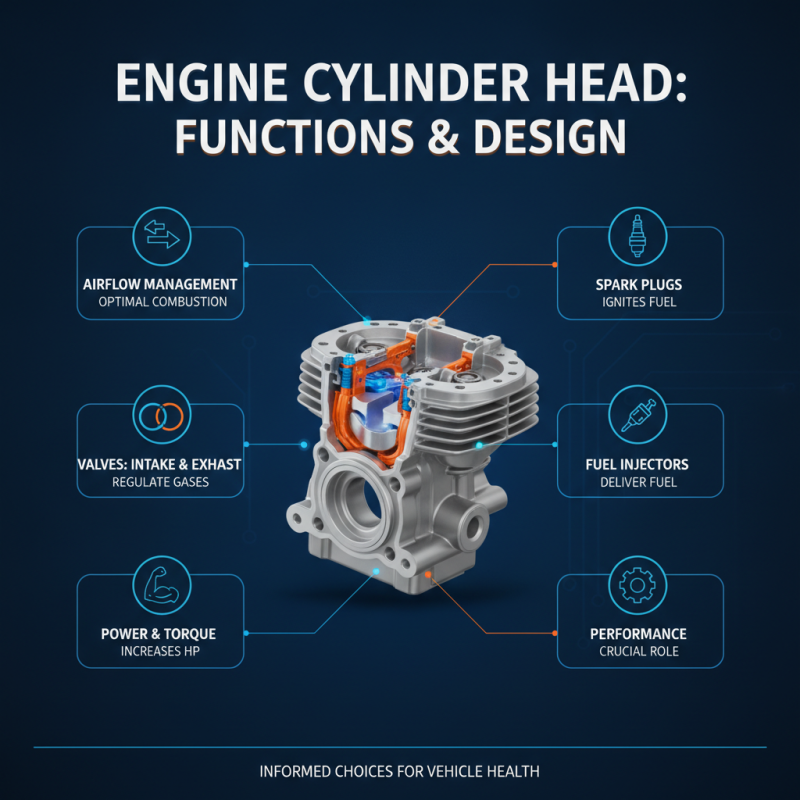
The engine cylinder head plays a crucial role in your vehicle's performance. It houses crucial components like intake and exhaust valves, spark plugs, and fuel injectors. Proper design ensures effective airflow and combustion. A cylinder head influences horsepower and torque significantly. Understanding its functions allows you to make informed choices.
Different designs serve varied purposes. For instance, a high-performance engine may require a different head than a daily driver. Factors like cooling efficiency and weight affect your selection. Cast iron and aluminum are common materials. Aluminum heads are lighter and better at heat dissipation, but they can be more expensive.
Choosing the right cylinder head requires careful consideration. There are many options, and each has its pros and cons. You might find yourself overwhelmed by choices. Collaborating with experienced mechanics can help clarify your needs. Ultimately, the ideal head should match your specific performance goals and driving conditions.
Key Factors to Consider When Selecting Engine Cylinder Heads
When selecting an engine cylinder head, several key factors must be considered. The design and material of the head can significantly impact engine performance. Lightweight materials like aluminum can reduce overall weight, enhancing vehicle efficiency. However, they may not handle heat as effectively as heavier alternatives. Data from the automotive industry indicates that cylinder heads constructed from high-quality aluminum can reduce weight by up to 30% compared to cast iron heads.
Another crucial factor is the flow characteristics. Cylinder heads with better airflow can improve engine efficiency and power output. A study published by the Society of Automotive Engineers suggests that optimizing airflow can lead to an increase in horsepower of 5-15% for many engine types. It's essential to evaluate the specific flow requirements of your engine to ensure optimal performance gains without excessive costs.
Lastly, consider compatibility with your existing engine setup. Not all cylinder heads fit every engine. Mismatching can lead to performance issues and excessive wear. Thorough research is necessary to identify the best match for your requirements. Reflecting on these points can guide you to a more informed decision, ensuring that you select a cylinder head that meets your needs effectively.
Common Materials Used in Engine Cylinder Heads and Their Benefits
When choosing an engine cylinder head, the material used plays a crucial role. Common materials include aluminum and iron.
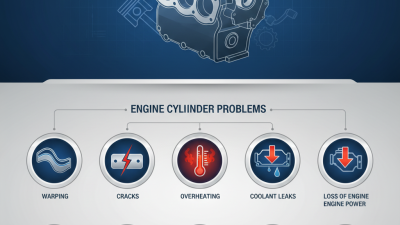
Aluminum is lightweight and promotes better heat dissipation. This can enhance engine performance and fuel efficiency. However, aluminum may warp under extreme heat. It requires careful monitoring during operation.
Iron cylinder heads are known for their durability. They can withstand higher temperatures and provide better resistance to corrosion. However, they are heavier, affecting overall engine weight. In high-performance settings, this might not be ideal.
Each material has its strengths and drawbacks. The choice can influence not only performance but also repair frequency. Understanding these materials is vital for optimal engine function. It's important to consider your specific needs and driving conditions. What works for one engine might not be the best for another.
Compatibility: Matching Cylinder Heads with Engine Types and Specs
When selecting a cylinder head, compatibility with your engine is crucial. Different engine types have unique specifications. A mismatch can lead to performance issues. For instance, high-performance engines may require heads that support larger valves for better airflow. Conversely, stock engines usually perform well with standard cylinder heads.
You should consider other factors, like the materials used in the cylinder head. Aluminum heads are lighter and dissipate heat better, while iron heads are generally stronger. However, iron can rust, affecting longevity. You also need to pay attention to the engine's intended use. A daily driver needs a different head than a race car.
Don’t forget to check the combustion chamber design. It impacts compression ratios significantly. If you're unsure, consulting with a mechanic or a specialist may be beneficial. Sometimes, you may find the ideal cylinder head isn’t within your budget. Reflecting on these details can help you choose wisely, ensuring your engine performs as expected.
How to Choose the Best Engine Cylinder Head for Your Needs?
| Engine Type |
Material |
Valve Configuration |
Recommended Compression Ratio |
Applications |
| V8 Gas Engine |
Aluminum |
OHV |
9:1 - 10:1 |
Street Performance |
| Inline 4 Diesel Engine |
Cast Iron |
DOHC |
16:1 - 18:1 |
Heavy Duty Trucks |
| V6 Gas Engine |
Aluminum |
SOHC |
10:1 - 11:1 |
Sedans and SUVs |
| Inline 6 Gas Engine |
Aluminum |
DOHC |
10:1 - 12:1 |
Luxury Cars |
Budgeting for Quality: Cost vs. Performance in Cylinder Head Choices
When considering cylinder heads, balancing cost and performance is crucial. A high-quality cylinder head can improve engine efficiency, but it often comes at a premium. Finding the right head means evaluating the material, design, and flow characteristics. Cheaper options may save money upfront, but they can lead to reduced performance. Is this worth it in the long run?
Investing in a cylinder head that aligns with your performance goals is essential. You may need to stretch your budget for better materials like aluminum. These options offer weight savings and enhance performance. However, don't overlook the importance of proper installation. Even the best component won't perform well if it isn't installed correctly.
Ultimately, reflect on your engine's purpose. Daily drivers may not require the most expensive parts, while performance builds likely do. It's also wise to research and consult experts who can provide valuable insights. Balancing budget constraints with performance needs can lead to informed choices that pay off over time.

 +86 13794985240
 CONTACT NUMBER
 CONTACT NUMBER