What is Center Joint and Its Benefits for Global Buyers?
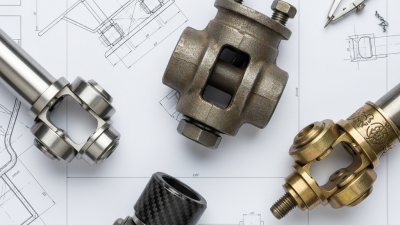
The Center Joint is an essential component in various industries. It serves as a connection point for different structures and systems. This joint plays a crucial role in enhancing durability and efficiency. For global buyers, understanding its significance can lead to smarter purchasing decisions.
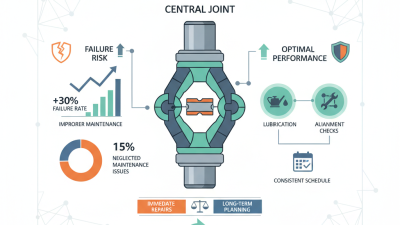
Many customers may overlook the Center Joint's quality. Some focus too much on price. This neglect can lead to higher long-term costs. Investing in a quality Center Joint can reduce maintenance needs and improve overall functionality. Buyers should consider both performance and reliability before making a purchase.
Incorporating the right Center Joint can significantly impact a project’s success. Yet, many buyers hesitate to seek expert advice. Lack of knowledge can result in choosing unsuitable products. Educating oneself about the benefits of the Center Joint is vital. It ensures that buyers make informed choices. Ultimately, the right selection can drive efficiency and longevity in various applications.
What is a Center Joint and Its Role in Manufacturing Processes
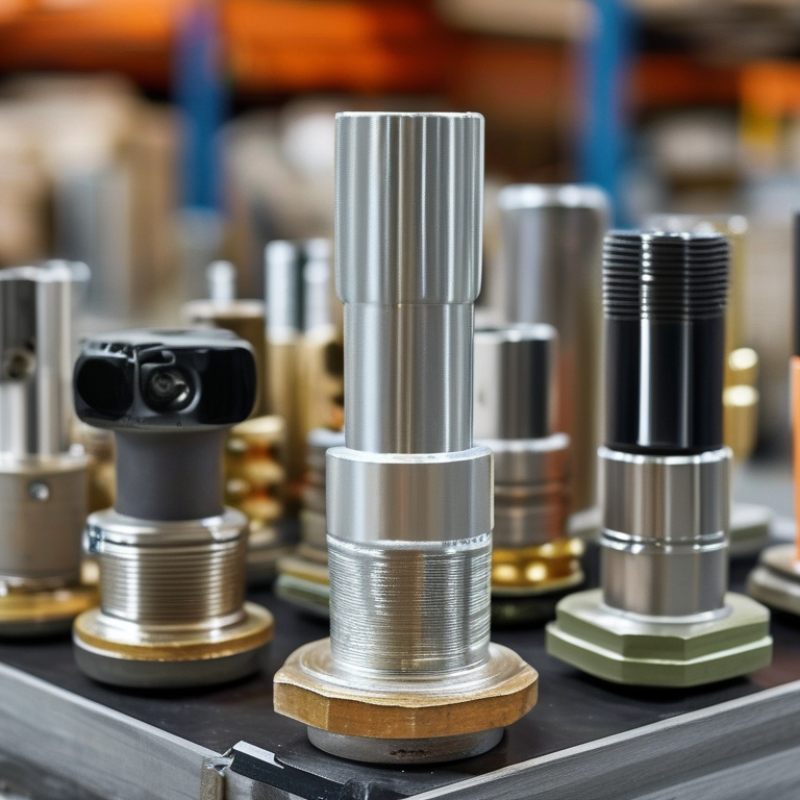
A center joint plays a crucial role in various manufacturing processes. Often overlooked, it serves as a pivotal connection point in assemblies. This component ensures structural integrity and stability in products. For instance, in woodworking, a center joint helps in maintaining alignment during glue application. The alignment not only supports the aesthetics but also impacts overall durability.
In metal fabrication, center joints are equally significant. They facilitate the joining of two parts with precision, ensuring even distribution of stress. A well-executed center joint can enhance the lifespan of machinery. Yet, improper handling or alignment may lead to failures. It’s essential to monitor the machining processes closely to avoid unexpected issues. The challenge lies in achieving the perfect balance between strength and flexibility.
Manufacturers must assess their techniques regularly. The execution of a center joint may vary depending on specific materials or design demands. Continuous learning and adaptation are key. Observing and addressing flaws in current practices can lead to improved outcomes. As global buyers become more discerning, understanding these nuances becomes vital for manufacturers striving for excellence.
Key Features and Characteristics of Center Joints
Center joints play a crucial role in various applications, bridging connections between components. Their design focuses on reliability and versatility. These joints facilitate efficient performance in mechanical setups, making them essential in many industries. They often consist of materials that offer flexibility and strength, catering to different operational demands.
One significant feature of center joints is their adaptability. They can accommodate various angles and movement types. This characteristic enhances the overall functionality of machinery. Moreover, their maintenance-friendly design allows for easy adjustments and replacements. Users often notice that center joints reduce wear and tear on connected parts, extending the lifespan of equipment.
Despite these advantages, some challenges exist. Not all center joint designs suit every application. Users need to assess compatibility before making a choice. Inconsistent quality can also arise from different manufacturing standards. This highlights the importance of sourcing from reliable providers. Careful consideration is essential for maximizing the benefits of center joints.
Benefits of Center Joints for Global Buyers
Center joints play a crucial role in various applications, facilitating flexibility and multi-directional movement. For global buyers, understanding these components can enhance procurement strategies and operational efficiency. Reports indicate that the demand for high-quality center joints has surged by 15% over the past year, driven by advancements in automation and machinery.
One key benefit of center joints is their ability to minimize maintenance costs. According to industry data, effective center joints can extend machinery lifespan by up to 30%. This reduction in wear and tear translates directly into financial savings. Buyers are increasingly recognizing the long-term value of investing in durable components, which can lead to decreased downtime and increased productivity.
However, not all center joints are created equal. Global buyers must consider factors such as material quality and design. Relying on supplier expertise is essential for making informed decisions. Reports show that 40% of companies experience performance issues due to inadequate component selection. Striking the right balance between cost and quality is a challenge worth addressing to ensure optimal operation.
Applications of Center Joints in Various Industries
Center joints play a critical role in various industries. They are used in fields such as automotive, aerospace, and manufacturing. These joints allow for flexibility and movement in assemblies. In automotive applications, center joints connect different drive shafts. This connection helps to transmit power effectively while accommodating suspension movements.
In aerospace, center joints contribute to control mechanisms of aircraft. They ensure that surfaces like flaps and ailerons respond accurately to pilot inputs. The precision offered by these joints is vital for safety and performance. Additionally, manufacturing equipment employs center joints in robotic systems. They enable smooth motion, enhancing productivity and efficiency.
However, not all center joints deliver the expected performance. Misalignment or wear can lead to failures. Industries must regularly inspect these components to ensure reliability. Workers should be trained to identify potential issues. This proactive approach can prevent costly downtime and improve overall system performance. Each application requires a tailored solution to maximize benefits.
Best Practices for Sourcing Center Joints for Optimal Value
When sourcing center joints, understanding the specifics is essential. Center joints play a pivotal role in various industries, connecting components seamlessly. Buyers should prioritize quality and reliability. Look for suppliers who can demonstrate industry experience. Ask for certifications that ensure product standards. A manufacturer’s reputation can tell a lot about their offerings.
Price is important, but it should not be the sole factor. Sometimes, the lowest price may mean compromising on quality. Value comes from balancing cost with product durability. Buyers should consider long-term benefits over initial savings. Communication with suppliers is key. Discuss your needs clearly to avoid misunderstandings. Feedback loops can help improve the sourcing process.
Be mindful of logistics as well. Delays in shipping can affect your timelines. Ensure that suppliers can meet your delivery schedules. Consider backup options for critical components. Sourcing center joints may involve challenges, but careful planning can lead to optimal value. Staying informed about market trends also helps in making educated decisions. Keeping an open mind and adapting to new information will enhance your sourcing strategy.

 +86 13794985240
 CONTACT NUMBER
 CONTACT NUMBER