Best Center Joint Types for Global Procurement Needs?
In the realm of global procurement, the term "Center Joint" holds significant importance. It refers to essential components in various industries, including construction and manufacturing. Selecting the right type of Center Joint can enhance operational efficiency and ensure project success. Each joint type has unique characteristics that cater to specific procurement needs.
Experts indicate that understanding these characteristics is crucial for effective decision-making. A well-chosen Center Joint can reduce costs and improve quality. However, many procurement professionals overlook this aspect. This gap can lead to suboptimal choices, impacting overall project outcomes.
Despite the challenges, the process of selecting a Center Joint is rewarding. It involves weighing factors like material, durability, and compatibility. Each decision made can bring immediate and long-term benefits. As global industries evolve, staying informed about the best Center Joint types is vital. An informed choice can establish a strong foundation for future projects.
Types of Center Joints in Procurement: An Overview
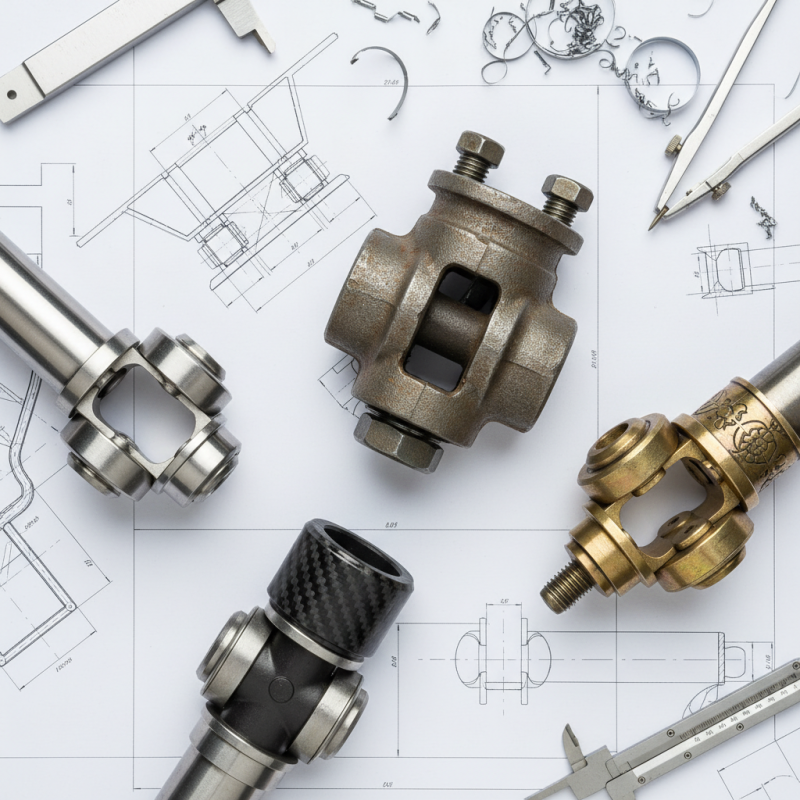
In global procurement, understanding center joint types is crucial. These joints play a significant role in connecting various components in machinery and equipment. Different types offer unique benefits, influencing the overall efficiency of procurement processes. For instance, there are rigid joints, which provide stability but may limit flexibility. Then there are flexible joints that enhance adaptability but can compromise durability.
When selecting center joints, consider the intended application. Rigid joints may be suitable for high-stress environments. However, they require precise alignment, which may pose challenges during installation. On the other hand, flexible joints can absorb shock, ideal for dynamic operations. Yet, their performance can degrade over time, especially under heavy loads.
It's essential to evaluate how these factors impact your procurement strategy. Collaborating with experienced engineers or procurement specialists can provide insights into optimizing joint selection. However, even experts can overlook details such as maintenance needs or material compatibility, which can lead to costly setbacks. Recognizing these potential oversights aids in making informed choices.
Factors Influencing the Selection of Center Joint Types
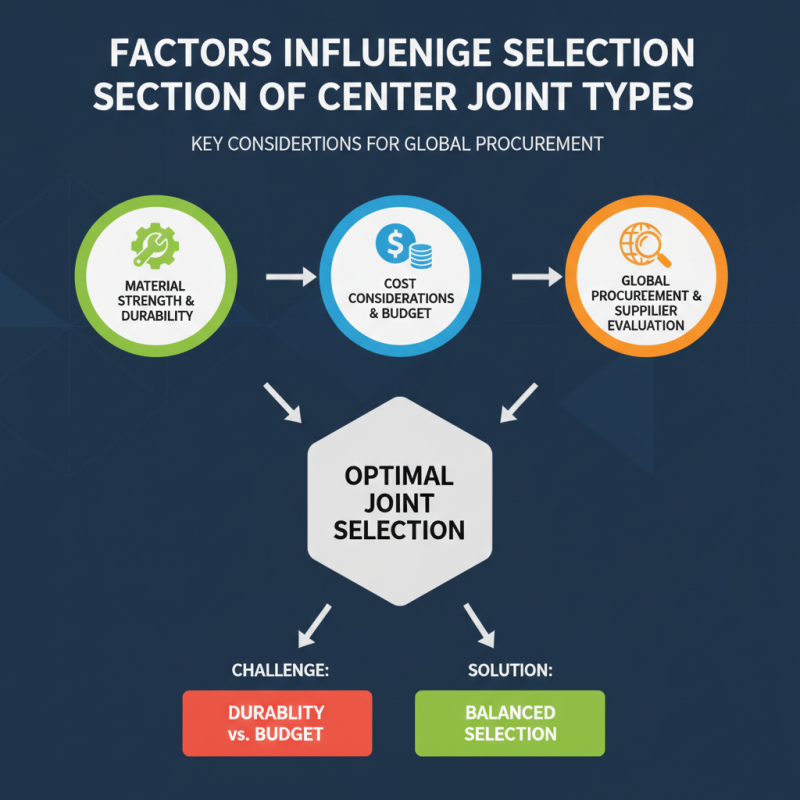
When selecting center joint types for global procurement, several factors come into play. Material strength is crucial. Robust materials often endure environmental stresses better. However, cost considerations may limit choices. Finding a balance between durability and budget is a persistent challenge. This dilemma demands careful evaluation of potential suppliers.
Design flexibility is another key factor. Some center joints allow for greater adaptability in various applications. This flexibility can prove beneficial in diverse operational settings. Yet, too much complexity might lead to complications during installation. It’s essential to weigh these design features against practical usability.
Finally, supplier reliability cannot be overlooked. A dependable supplier can ensure consistency in quality and performance. Yet, verifying a supplier's credibility is often difficult. Many procurement teams struggle to establish trust. This uncertainty can hinder decision-making processes and affect procurement success.
Comparative Analysis of Center Joint Types for Global Markets
When evaluating center joint types for global procurement, it is crucial to consider various aspects. Each type has unique characteristics that cater to different market needs. Some joints provide enhanced durability, while others focus on ease of installation. Choosing the right joint type can significantly impact the efficiency of manufacturing processes.
The material used in center joints plays a vital role in their performance. For instance, certain materials offer better corrosion resistance, while others are lighter, improving transport efficiency. Global markets have varying preferences based on these factors. Understanding regional demands can help in selecting the most appropriate joint type.
Additionally, compatibility with existing systems cannot be overlooked. Not every center joint type will fit seamlessly into current frameworks. There may be gaps that require innovative solutions. Evaluating each option involves considering not just the product itself but also the broader supply chain implications. Reflecting on these elements will lead to better decision-making in global procurement strategies.
Best Center Joint Types for Global Procurement Needs
Challenges in Sourcing Center Joints for International Trade
Sourcing center joints for international trade presents various challenges. One major issue is the diversity of standards across regions. For example, the ISO (International Organization for Standardization) reported that 56% of manufacturers face difficulties complying with different regulations. This impacts quality and supplier reliability. Stakeholders must understand these standards to make informed decisions.
Transport logistics also pose hurdles. According to a recent report by Logistic Management, delays in shipping can occur 30% of the time due to customs inspections. Disruptive events, like geopolitical tensions or natural disasters, can further complicate procurement efforts. Organizations must develop robust contingency plans to mitigate these risks.
Tips: Establish a local network of suppliers. This can enhance communication and transparency. Regularly assess suppliers based on performance metrics. Create a database of reliable contacts to streamline future sourcing efforts. A proactive approach can significantly ease procurement challenges.
Best Center Joint Types for Global Procurement Needs
| Joint Type |
Material |
Common Applications |
Challenges in Sourcing |
Cost (per unit) |
| Universal Joint |
Steel |
Automotive Driveshafts |
Quality control in manufacturing |
$15 |
| Constant Velocity Joint |
Aluminum, Steel |
High-performance Vehicles |
High precision manufacturing |
$30 |
| Slip Joint |
Steel |
Heavy Machinery |
Size variability in production |
$20 |
| Rigid Joint |
Cast Iron |
Construction Equipment |
Weight considerations in transport |
$25 |
| Ball Joint |
Polymer, Steel |
Suspension Systems |
Durability under stress |
$12 |
Future Trends in Center Joint Design and Procurement Strategies
In recent years, center joint designs have evolved significantly, reflecting a shift in global procurement strategies. Studies indicate that nearly 70% of companies prioritize flexibility in their procurement process. Advanced materials are crucial. They promise improved durability and performance, pivotal for industries such as automotive and aerospace. An Emerging Technologies report from 2023 highlighted that 45% of procurement departments are now integrating digital tools to streamline sourcing.
The emphasis on sustainability is reshaping center joint production. Data reveals that 65% of suppliers are investing in eco-friendly practices. However, companies often grapple with the balance between cost and sustainability. For example, while biodegradable materials can reduce environmental impact, they may also lead to higher production costs. This dilemma necessitates careful consideration in procurement strategies.
Supply chain disruptions have also transformed center joint procurement. Recent surveys show that nearly 60% of procurement officers prioritize risk management in their sourcing decisions. This focus is prompting an increased reliance on local suppliers to mitigate risks. However, local sourcing may not always offer the same quality as global options. Companies need to weigh these trade-offs when adjusting their procurement approaches.

 +86 13794985240
 CONTACT NUMBER
 CONTACT NUMBER