Best Electric Pump for Home Use and What to Consider?
When it comes to home maintenance, choosing the right Electric Pump is crucial. Bill Monroe, an industry expert, once stated, "The right pump can save time and effort." This insight emphasizes the importance of selecting an appropriate model for your needs.
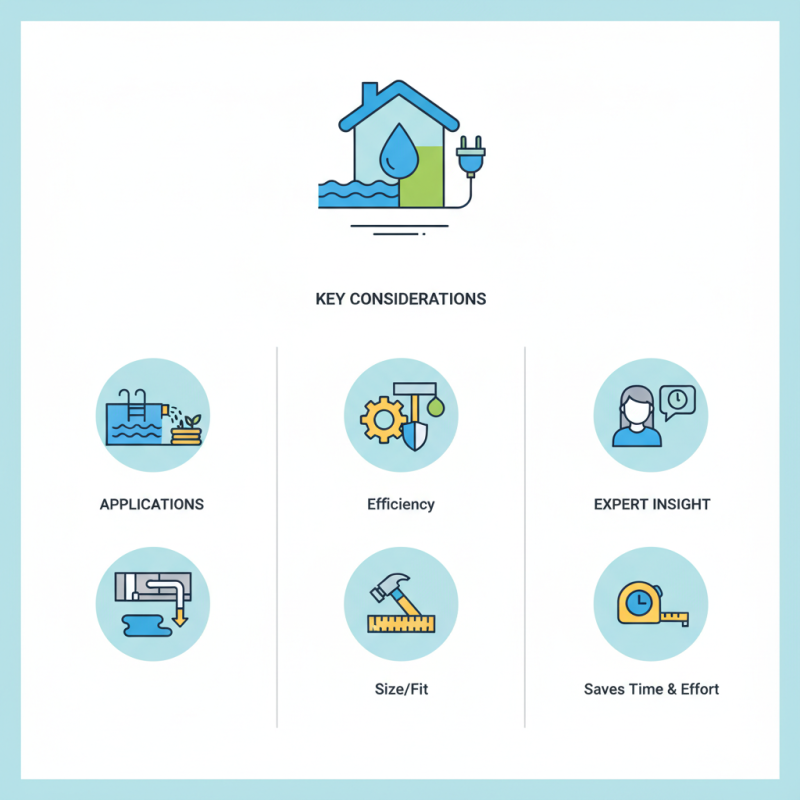
Electric Pumps serve various purposes, from draining pools to irrigating gardens. Each application demands different features. The market offers a wide range of options, and this can be overwhelming for homeowners. It's easy to make a mistake if you're not informed.
Not every pump will meet all needs perfectly. Some may lack power, others may not fit the space. Researching and understanding your requirements is essential. Failing to do so can lead to dissatisfaction. Thus, consider factors like efficiency, durability, and size before making a decision.
Best Electric Pump for Home Use: An Overview
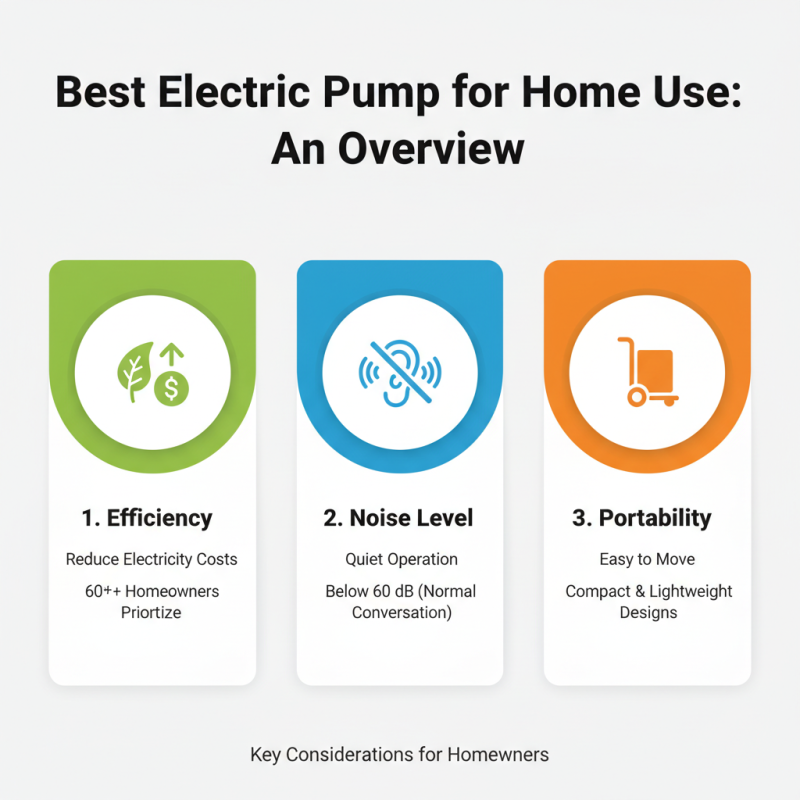
When selecting the best electric pump for home use, consider efficiency, noise level, and portability. According to a recent industry report, more than 60% of homeowners prioritize energy efficiency. An efficient pump can reduce electricity costs significantly. Noise is another factor; pumps that operate quietly can enhance living comfort. Many models now run at sound levels beneath 60 dB, which is comparable to a normal conversation.
In terms of portability, lightweight designs make it easier to move pumps for various home tasks. The average weight of electric pumps suitable for home use is around 15-20 pounds. This is manageable for most homeowners. However, some might find handling cumbersome, especially in tight spaces or when transporting it to different locations.
Maintenance is often overlooked. Regular checks are crucial, as neglected pumps can lead to a 30% efficiency drop. Users should inspect seals and hoses for wear and tear. Even small leaks can affect performance, highlighting the importance of proactive care. Many homeowners remain unaware of these details, which could lead to bigger issues down the line.
Key Features to Look for in an Electric Pump
When choosing the best electric pump for home use, several key features are essential. Consider the pump's power capacity as it determines how effectively it can handle different tasks. A model with adjustable pressure settings provides versatility, allowing you to inflate various items easily. Additionally, a built-in gauge can simplify monitoring, ensuring you don’t over-inflate or under-inflate.
Portability is another crucial feature. A lightweight pump with a compact design can be used in tight spaces. Look for pumps with easy-to-replace hoses and attachments. This ensures they can accommodate various inflatables, from air mattresses to sports balls. Noise levels are often overlooked, but a quiet operation is preferable for home use. It can prevent disturbances during late-night inflations.
Reliability of the pump is vital, but not all pumps perform perfectly over time. Some models may show wear quickly. It’s essential to read reviews and learn from others’ experiences. Maintenance needs should also be considered. Regular cleaning and inspection can prolong the pump’s life and performance. Always keep an eye on wear signs to avoid unexpected failures during use.
Best Electric Pump for Home Use
Types of Electric Pumps Suitable for Home Use
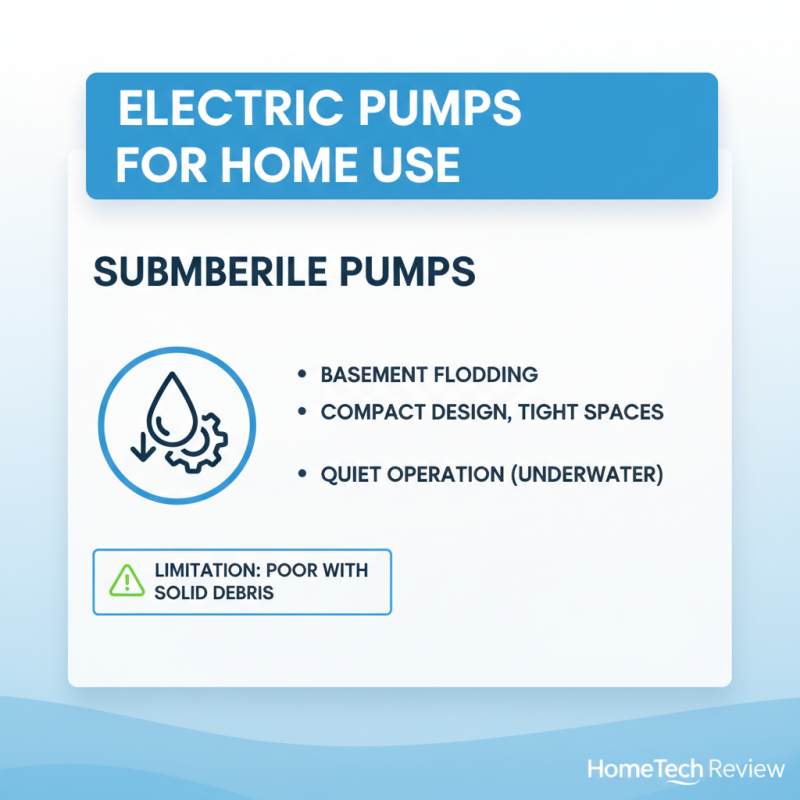
When choosing an electric pump for home use, it's essential to know the different types available. Submersible pumps are often used in basements. They can remove water from flooded areas efficiently. Their compact design allows them to fit into tight spaces. These pumps work underwater, which helps in reducing noise. However, they may not handle solid debris well.
Another popular option is the utility pump. These are versatile and can be used for various tasks around the home. They can drain pools, hot tubs, or even water from your yard. Utility pumps are generally portable, making them easy to move. Yet, they may not be powerful enough for larger jobs, which can be a limitation.
If you need a pump for irrigation, consider a garden pump. These are designed for outdoor use, like watering plants. They can draw water from ponds or rain barrels. However, they might require regular maintenance to prevent clogs. Choosing the right pump depends greatly on your specific needs and location. Each type has its pros and cons, so consider them carefully.
Factors to Consider When Choosing an Electric Pump
When selecting an electric pump for home use, several factors are crucial. Think about the pump's purpose. Are you using it for draining water, inflating items, or another application? Each task may require a different type of pump. Consider the horsepower as well, as it often determines the pump’s efficiency and speed. Higher horsepower can mean faster operation but can also lead to increased energy bills.
Next, pay attention to the size and weight of the pump. A lightweight model may be easier to store. However, ensure it has a sturdy construction for durability. Always check the power source. Some pumps operate on standard household outlets, while others might need a dedicated circuit. Noise level can be another concern, especially if you're using it indoors. It's hard to find peace and quiet when an electric pump disrupts your environment.
Don't overlook the maintenance aspects. Some models are easy to clean and maintain, while others can be tedious. Think about how often you’ll use the pump. A rarely used pump that’s hard to maintain may not be worth the trouble. Finally, customer reviews can provide insight. Look for consistent feedback on performance and reliability. That often reflects the real-world use of the pump.
Best Electric Pump for Home Use and What to Consider?
| Pump Type |
Max Pressure (PSI) |
Flow Rate (GPM) |
Power (W) |
Weight (lbs) |
Price (USD) |
| Submersible Pump |
50 |
3.5 |
600 |
10 |
120 |
| Centrifugal Pump |
40 |
4.0 |
500 |
15 |
150 |
| Diaphragm Pump |
60 |
2.5 |
400 |
12 |
180 |
| Piston Pump |
70 |
3.0 |
750 |
14 |
200 |
| Vortex Pump |
30 |
5.0 |
350 |
9 |
100 |
Maintenance Tips for Electric Pumps at Home
Electric pumps can greatly simplify tasks around the home. However, maintaining them properly is crucial for optimal performance. Regular maintenance ensures longevity and efficiency. Check for leaks often. A small leak can waste energy and lead to bigger issues.
Cleaning the pump is essential. Debris and dirt can block filters and reduce efficiency. Make it a habit to inspect and clean your pump at least monthly. Also, listen for unusual noises; they may signal a problem. Don't ignore them. Address any strange sounds immediately.
Don’t forget about the electrical connections. Ensure they are secure and not corroded. Loose wires can cause malfunctions. A visual inspection can help spot issues before they become serious. Regular maintenance may feel burdensome, but ignoring it can lead to breakdowns. A simple checklist for your electric pump can make caring for it more manageable.

 +86 13794985240
 CONTACT NUMBER
 CONTACT NUMBER