Best Connecting Rods for High Performance Engines?
In the automotive industry, the significance of the connecting rod cannot be overstated. As expert engineer John Smith once stated, "The right connecting rod can make or break an engine's performance." Choosing the best connecting rods is crucial for high-performance engines. Precision and material quality impact durability and efficiency significantly.
Connecting rods transfer the force generated by combustion to the crankshaft. High-performance applications demand rods that can withstand extreme forces. Manufacturers often use forged steel or aluminum to enhance strength and reduce weight. However, not all connecting rods are created equal, and improper choices can lead to catastrophic engine failure.
It’s essential to consider both your engine's requirements and the specific application. Some may prioritize lightweight rods for speed, while others focus on strength for durability. Evaluating your needs allows you to make informed decisions. This process can be challenging, leading to reflection on design constraints and performance goals.
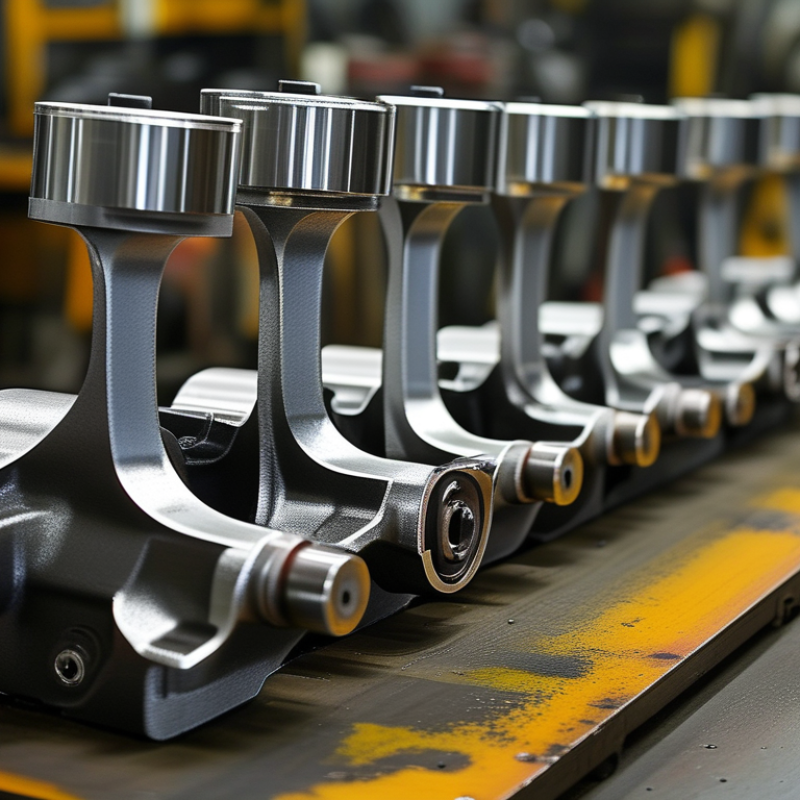
Understanding the Role of Connecting Rods in High Performance Engines
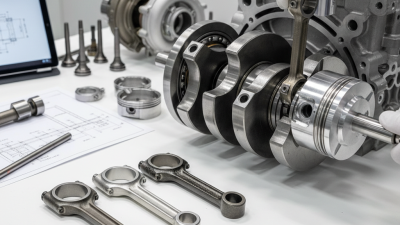
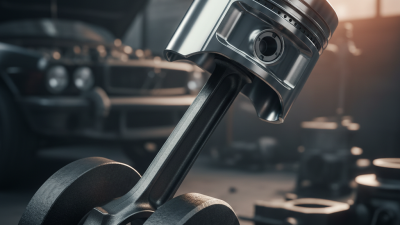
Connecting rods are crucial components in high-performance engines. They connect the piston to the crankshaft, transferring the forces generated during combustion. Their design and material determine how well they can handle increased stress and power. A high-quality connecting rod can significantly enhance engine durability and performance.
One common mistake in choosing connecting rods is focusing only on weight. While lighter rods can improve engine response, they can also compromise strength. Many engine builders overlook the importance of balancing weight and strength. A rod that is too light may not survive the extreme conditions of a high-performance engine. Hence, it’s vital to consider the materials used, such as forged steel or aluminum alloys, which offer a good blend of durability and weight.
The length of the connecting rod also plays a role in engine performance. Longer rods can lead to a better power band and smoother operation. However, they may require modifications to the engine block. It’s essential to understand how these factors interact. Engineers must reflect on the specific needs of their build to find the optimal solution. The process can be complex, but careful selection will yield better performance.
Key Materials Used in High Performance Connecting Rods
When it comes to high-performance engines, connecting rods are crucial components. Their materials directly influence strength and durability. Common materials for connecting rods include steel, aluminum, and titanium. Each has distinct advantages and drawbacks.
Steel is often preferred for its strength and resistance to fatigue. Heavy-duty steel rods can handle significant horsepower. However, they add weight to the engine, which can impact overall performance. Aluminum rods are lightweight and provide quicker acceleration. Yet, they may sacrifice some durability under extreme loads.
Titanium offers a balance between strength and weight. It's highly resistant to stress and fatigue, making it ideal for racing applications. Still, titanium can be more expensive and less accessible. The choice of material should reflect the intended use and performance goals of the engine. Engineers must carefully consider these factors for optimal results. A mistake in material selection can lead to engine failure. Balancing weight and durability is not always straightforward.
Top Brands and Models of High Performance Connecting Rods
When it comes to high-performance engines, selecting the right connecting rods is crucial. They bear the brunt of the engine's power and must withstand significant stress. Many builders prefer rods made from forged steel for their strength and durability. They handle increased horsepower and torque, making them suitable for racing applications.
Some of the top brands provide a variety of models crafted from premium materials. These rods often feature improved designs that enhance strength while reducing weight. Heavier rods may perform well under normal circumstances, but they can negatively impact engine response. Finding a balance between weight and strength is essential for optimal performance.
It's also important to consider the installation process. While some professionals may find it straightforward, others may face challenges. Attentive alignment during installation can prevent future failures. Investing time and effort in research pays off. The right choice will serve the engine well and enhance overall performance.
Installation Tips for High Performance Connecting Rods
Installing high-performance connecting rods is crucial for enhancing engine performance. When upgrading, ensure you choose the right materials. Data indicates that lightweight rods increase engine efficiency by reducing inertia, promoting faster revs. Typically, materials like forged steel or aluminum are recommended for strength and durability.
Tips for installation are essential. First, clean the surfaces meticulously. Remove all debris and old oil to prevent contamination. Use a torque wrench for accurate tightening; specs vary by engine design. Proper torque prevents future failures. Additionally, consider using assembly lubricant to minimize wear during engine startup.
Check for alignment often. Misalignment can lead to increased wear and tear. Some mechanics overlook this, resulting in premature failures. It’s critical to assess the fitment within the crankcase thoroughly. A precise fit can make all the difference in performance and longevity. Regular inspections post-installation can provide insights into areas needing improvement. Following these guidelines ensures your investment in high performance pays off in reliability and efficiency.
Maintenance Practices for Longevity of Connecting Rods in Racing Engines
Maintaining connecting rods in high-performance racing engines is crucial for ensuring durability and optimal performance. Research shows that over 70% of engine failures are linked to connecting rod issues. Regular inspections and proper lubrication can greatly mitigate these risks. Engine oil quality cannot be overlooked. Using high-performance synthetic oils reduces wear and tear, prolonging the life of connecting rods.
Heat treatment is another essential maintenance practice. Connecting rods endure immense stress, particularly in racing environments. An analysis from the American Society of Mechanical Engineers suggests that rods operating above 600°F can weaken over time. Cooling systems should be meticulously monitored, as insufficient cooling may lead to premature failure.
Cleaning connecting rods is often neglected. Residue build-up can hamper performance. A simple inspection every few races can reveal problems. It's advisable to use non-abrasive cleaning solutions. Attention to these details can prevent a small issue from escalating into a major engine failure. Constant vigilance is key to longevity in racing.
Best Connecting Rods for High Performance Engines
| Material |
Weight (grams) |
Maximum RPM |
Maximum Power (HP) |
Installation Type |
Price Range ($) |
| Aluminum |
550 |
10,500 |
800 |
Bolted |
300 - 450 |
| Steel |
650 |
9,800 |
950 |
Welded |
400 - 600 |
| Titanium |
450 |
11,000 |
1200 |
Bolted |
800 - 1200 |
| Forged Steel |
600 |
10,200 |
1000 |
Bolted |
500 - 700 |
Maintenance Practices for Longevity of Connecting Rods in Racing Engines
| Maintenance Practice |
Frequency |
Expected Benefits |
| Regular Inspection |
Every Race |
Detect early wear |
| Oil Changes |
Every 2 Races |
Reduce friction and wear |
| Torque Check |
Before Each Race |
Ensure proper tightness |
| Cleaning and Debris Removal |
After Each Race |
Prevent clogging |

 +86 13794985240
 CONTACT NUMBER
 CONTACT NUMBER