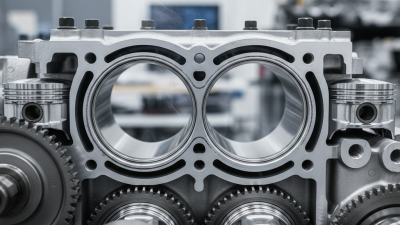
2026 Top Cylinder Liner Trends for Global Buyers
In the ever-evolving landscape of automotive engineering, understanding trends is crucial for global buyers. The 2026 Top Cylinder Liner Trends will shape the future of the industry. Cylinder liners are essential components that enhance engine performance and durability.
As demand for fuel efficiency rises, innovative materials and designs are emerging. Buyers need to stay informed about these advancements. Advanced coatings and lightweight materials are revolutionizing cylinder liner technology. Manufacturers are investing heavily in research and development to meet these demands.
However, not all trends may be beneficial. Some new materials might face challenges regarding reliability. It’s vital for buyers to consider long-term impacts alongside immediate benefits. Focusing solely on initial costs can lead to regrets later. Understanding these complexities will empower buyers to make informed decisions in the cylinder liner market.
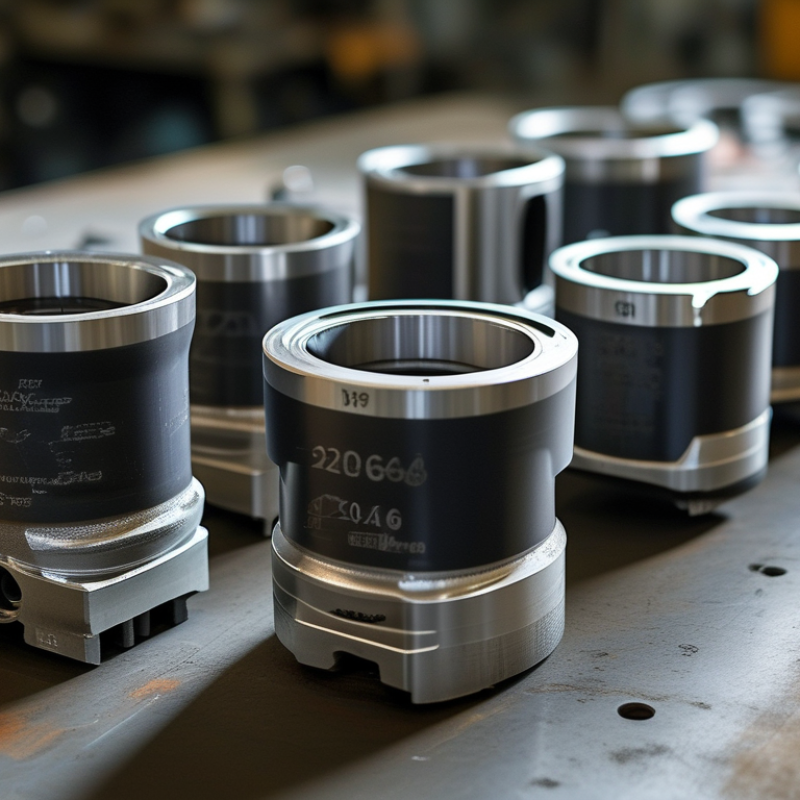
Emerging Materials in Cylinder Liner Production for 2026
The cylinder liner industry is evolving rapidly. Emerging materials are set to influence production techniques significantly by 2026. Advanced metal alloys and ceramics are gaining traction. These materials promise enhanced durability and resistance to wear. According to a recent industry report, the use of lightweight composites can reduce weight by as much as 30%. This reduction improves fuel efficiency while maintaining performance.
Manufacturers are also exploring coatings to improve engine performance. Thermal barrier coatings can withstand higher temperatures and reduce friction. A notable study indicated that such coatings can extend liner life by up to 50%. However, the transition to these innovative materials presents challenges. Cost-effectiveness is a concern, as new materials often require significant investment in technology and training.
The environmental impact of material production is another area needing careful consideration. Sustainable manufacturing practices are crucial. The industry must balance innovation with responsibility. Failing to address environmental concerns could lead to regulatory issues down the line. As the market adapts, ongoing research will be essential for optimizing these new materials while ensuring reliability and efficiency.
Sustainability Trends Impacting Cylinder Liner Manufacturing
Sustainability is reshaping the cylinder liner manufacturing landscape. As global buyers become more environmentally conscious, manufacturers must adapt. This shift emphasizes the need for eco-friendly materials and processes. Production methods now often incorporate recycled materials. This approach reduces waste and minimizes the carbon footprint.
Using sustainable resources can also improve product quality. For instance, advanced composites may enhance durability. Buyers are increasingly looking for options that merge performance with sustainability. This trend encourages innovation within the industry, pushing manufacturers to rethink traditional processes.
Consider evaluating suppliers based on their environmental practices. Transparency in sourcing materials is essential. Look for manufacturers who prioritize low-impact production. Engaging with companies committed to sustainability can lead to better products for buyers and a healthier planet. The transition is not without challenges. Companies might face higher initial costs or potential production delays. However, the long-term benefits often outweigh these hurdles. Embracing sustainability now can pave the way for a more resilient manufacturing future.
Technological Innovations Driving Cylinder Liner Efficiency
The demand for cylinder liners continues to grow as industries push for enhanced fuel efficiency and reduced emissions. The development of advanced materials, such as high-strength alloys and composites, is driving innovation. These materials promise not only improved durability but also lighter weights. A recent report indicates that the market for advanced cylinder liners is projected to reach $5 billion by 2026, showcasing significant growth opportunities.
Technology plays a vital role in enhancing cylinder liner efficiency. Innovations like laser-cladding and surface polishing techniques are making liners more wear-resistant. These methods allow for better heat dissipation while minimizing friction. Research suggests that liners produced with these advanced techniques can last up to 30% longer than traditional options. However, many manufacturers still face challenges in optimizing production processes for these advanced solutions.
The transition to electric vehicles also impacts cylinder liner technology. While demand declines in some sectors, the focus shifts toward developing liners suitable for hybrid systems. This evolution brings both opportunities and complexities. Adapting to changing market conditions requires constant reassessment of manufacturing capabilities and material sourcing. Industry experts stress the importance of remaining agile in the face of innovation and demand fluctuations.
2026 Top Cylinder Liner Trends for Global Buyers
| Trend |
Description |
Impact on Efficiency |
Projected Growth (%) |
| Advanced Materials |
Use of composite and enhanced alloys for better durability. |
Improves lifespan and reduces wear. |
8% |
| Surface Treatments |
Coatings that reduce friction and enhance heat resistance. |
Increased efficiency by lowering operational temperatures. |
10% |
| 3D Printing |
Utilization of 3D printing for customized cylinder liners. |
Tailors liners to specific applications, boosting efficiency. |
15% |
| Predictive Maintenance |
Sensors integrated to monitor liner condition in real time. |
Minimizes unexpected failures, ensuring continuous operation. |
12% |
| Eco-friendly Technologies |
Adopting green materials and processes. |
Reduces environmental footprint and enhances brand image. |
7% |
Market Dynamics and Demand Forecast for Cylinder Liners
The global demand for cylinder liners is on the rise. According to a recent market report, the cylinder liner market is expected to grow at a compound annual growth rate (CAGR) of 4.5% from 2021 to 2026. This growth is driven by increasing automotive production and the need for efficient engine performance. Cylinder liners play a vital role in enhancing engine life and performance, making them critical components.
Current trends show a shift towards lightweight materials. Manufacturers are exploring advanced materials, including aluminum and composites, to reduce engine weight and improve fuel efficiency. However, there are challenges. The high cost of these materials and the need for innovative manufacturing techniques can pose risks. Buyers must navigate these complexities when making purchasing decisions.
Ensuring proper maintenance of cylinder liners is crucial. Regular inspections can prevent wear and tear, extending their lifespan. Understanding the specific needs of your engine type is also important. Researching and staying updated on technological advancements can help buyers make informed choices. Be proactive in monitoring market trends and demand shifts for cylinder liners to optimize your procurement strategies.
2026 Top Cylinder Liner Trends
Global Regulatory Changes Affecting Cylinder Liner Standards
The cylinder liner market is undergoing significant changes, driven by global regulatory transformations. Recently, emissions standards have tightened in many regions, including Europe and North America. According to a report by Frost & Sullivan, stricter regulations aim to reduce nitrogen oxide and particulate matter emissions from diesel engines. These shifts are reshaping how manufacturers design and produce cylinder liners.
Manufacturers need to adapt to new materials and coatings that enhance performance while remaining compliant. For example, the use of low-friction coatings can reduce wear and improve fuel efficiency. The International Organization for Standardization (ISO) has also introduced revised standards that focus on sustainability and life cycle assessment of components. This emphasizes a need for innovation in both manufacturing processes and materials sourcing.
Understanding these regulatory impacts is essential for global buyers. They must consider not only performance but also compliance when selecting cylinder liners. Market analysts suggest investing in research and development to remain competitive. Future trends indicate a potential shift towards lighter and more durable materials to meet these evolving expectations. An ongoing dialogue with suppliers can ensure alignment with regulatory changes and industry best practices.
 +86 13794985240
 CONTACT NUMBER
 CONTACT NUMBER