+86 13794985240


An Engine Cylinder Head is more than a metal cover above the pistons. It is a precision chamber where air, fuel, combustion, coolant, and lubrication interact. Its ports guide the intake charge inward. Its exhaust passages release burning gases. Valves open and close within fractions of a second.
Racing engineer Smokey Yunick offered a useful principle: “An engine is an air pump.” The cylinder head makes that principle visible. Its port shape, valve angle, chamber volume, and surface finish influence breathing, compression, heat transfer, and power. A small casting flaw can disturb airflow. A warped deck can damage the head gasket. A weak valve seat can cause compression loss.
In practical workshop inspections, technicians check flatness with a precision straightedge and feeler gauge. They also examine cracks around valve seats, coolant passages, and spark-plug threads. Pressure testing can reveal leaks that visual inspection misses. These details matter because failures rarely announce themselves politely. A rough idle, unexplained coolant loss, or pale exhaust smoke may begin inside the head.
Still, no cylinder head works alone. Camshaft timing, piston design, fuel delivery, cooling control, and engine calibration must support it. This article explains how an Engine Cylinder Head is built, how it manages combustion, and why material choice matters. Some explanations may seem simple. Real engines are not. Manufacturing tolerances, heat cycles, and maintenance history can change the result. That uncertainty deserves attention, not confident guesses.
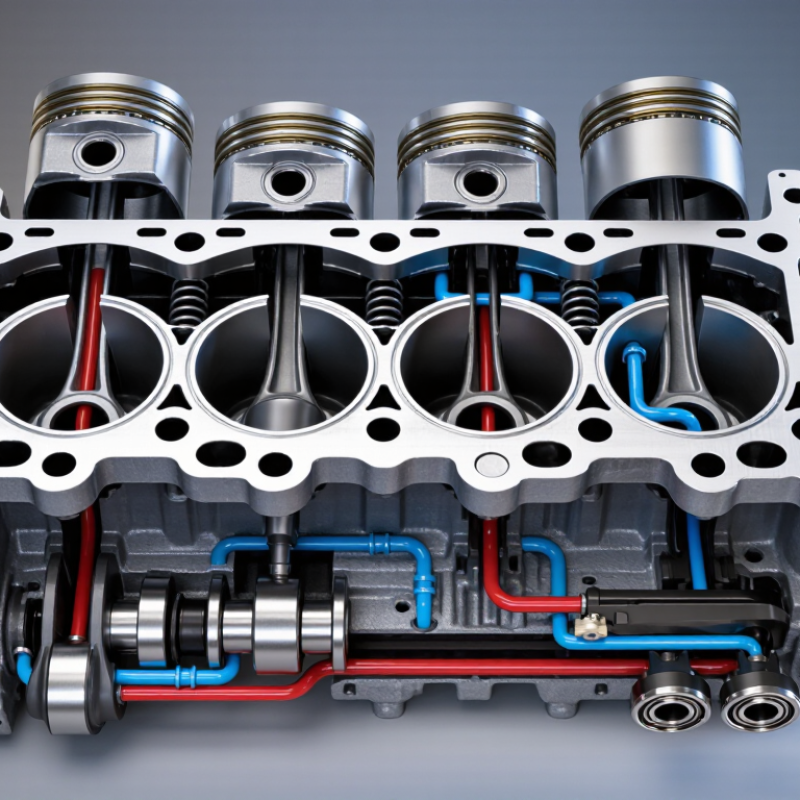
What Is an Engine Cylinder Head?
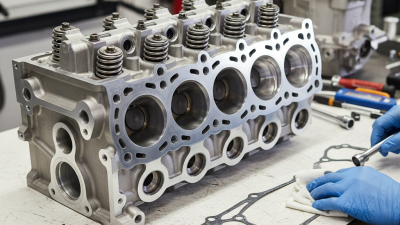
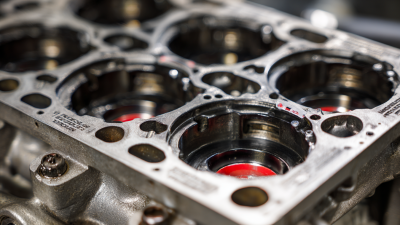
An engine cylinder head is the precision-cast structure mounted above the cylinder block. It closes each combustion chamber. More importantly, it controls the movement of air, fuel, exhaust gas, oil, and coolant. Inside, technicians find intake and exhaust ports, valve seats, spark plugs or injectors, and passages for lubrication and cooling. It is not merely a lid.
The head shapes combustion. Its chamber volume affects compression ratio, while port geometry influences airflow and cylinder filling. Valves must open and close accurately at high speed. A slight sealing fault can reduce compression, create coolant loss, or produce white exhaust smoke. During inspection, mechanics often check flatness, pressure integrity, valve contact, and bolt torque. Small details matter.
The U.S. Department of Energy’s Vehicle Technologies Office reports that only about 12–30% of fuel energy moves a conventional vehicle. Most energy becomes heat or other losses. This explains why head cooling design is critical. DOE advanced-engine research has also targeted brake thermal efficiency above 50% for heavy-duty applications. Better combustion helps, but the cylinder head alone cannot deliver it. Its result depends on valve timing, injection control, gasket condition, and thermal management.
A practical warning remains. Modern heads are lighter and more efficient, yet they can be less forgiving. Overheating may distort the sealing surface before a driver notices serious symptoms. My earlier assumption was that a thicker head always meant greater durability. Real service experience suggests otherwise: material quality, cooling balance, and correct assembly often matter more.
The cylinder head seals the top of the engine block and forms the combustion chamber. It contains or supports the intake and exhaust ports, valves, valve seats, spark plugs or fuel injectors, and coolant passages. Because these areas experience different thermal loads, temperatures vary significantly across the head.
Chart note: The ranges show typical temperatures in a water-cooled four-stroke engine cylinder head under normal operating conditions. Actual temperatures vary with engine design, load, air-fuel mixture, cooling efficiency, and operating speed. Exhaust-side components are hottest, while coolant passages remain close to the coolant operating range.
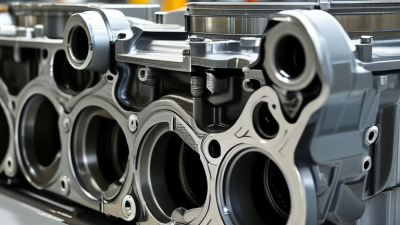
The cylinder head is the engine’s upper control zone. It seals the combustion chamber against the cylinder block. Inside, several systems must work with millimetre-level accuracy.
The combustion chambers shape flame travel and compression. Intake ports guide fresh air inward, while exhaust ports carry hot gases away. Valves open and close across these passages. Valve springs return them quickly after each camshaft lift. In many engines, hydraulic lash adjusters maintain clearance as temperatures change. The head gasket forms a thin barrier between oil, coolant, and combustion pressure. It looks simple. It is not.
Camshafts, rocker arms, and followers operate the valves. Some cylinder heads also contain fuel injectors, glow plugs, or spark plugs. Cooling passages surround the hottest areas, especially near exhaust valves. This matters because the U.S. Department of Energy estimates conventional gasoline engines convert only about 20–30% of fuel energy into useful motion. Heat management cannot be treated as an afterthought. The EPA Automotive Trends Report also tracks fuel economy and carbon dioxide closely, showing why airflow and combustion control remain important engineering targets.
From workshop experience, gasket failure is often blamed first. That diagnosis can be wrong. A warped head, blocked coolant passage, or damaged valve seat may be the real cause. I once underestimated how small deposits could disturb airflow. That mistake still influences careful inspection. A pressure test, flatness check, and valve-leak test reveal more than appearance alone.
What Is an Engine Cylinder Head?
The cylinder head sits above the engine block and closes each cylinder. It forms the upper wall of the combustion chamber. Inside, it carries intake and exhaust passages, valves, springs, and often fuel or ignition components. Coolant channels remove heat, while oil passages support moving parts. Together, these features help the engine breathe, compress the mixture, and release power through controlled combustion.
A properly sealed head is essential for stable engine operation. The head gasket separates combustion pressure, coolant, and engine oil. If the head warps from overheating, sealing can weaken. Compression may drop, coolant can enter the cylinder, or oil may become contaminated. A rough idle is not always a cylinder-head fault, however. Diagnosis should include compression testing, cooling-system checks, and inspection for leaks. Small details matter. During repair, correct bolt tension and tightening order help prevent uneven pressure. These steps sound simple, yet rushed work can create new problems.
Tips: Keep the cooling system clean and filled correctly. Watch for repeated overheating, white exhaust smoke, or unexplained coolant loss. Stop and investigate early. A temperature gauge may rise after damage has already begun, so regular inspections remain valuable. Check the mating surfaces carefully, even when they look acceptable. That judgment can be imperfect. Fresh measurements are safer than assumptions.
The cylinder head closes the engine block and forms the combustion chamber’s upper surface. It also carries valves, camshafts, spark plugs, injectors, and coolant passages. Material choice affects heat transfer, mass, durability, and manufacturing cost.
Aluminum alloys dominate many modern passenger engines because they are light and conduct heat efficiently. The ASM Handbook reports aluminum thermal conductivity near 150–220 W/m·K, while common cast irons often measure around 40–60 W/m·K. Faster heat removal can reduce hot spots around exhaust valves. However, aluminum expands more with temperature. That demands careful bolt loading, gasket design, and machining. The trade-off is less tidy.
Cast iron remains useful in severe-duty applications. It resists distortion and maintains strength under repeated high-temperature cycles. Its higher density increases head mass, though. The U.S. Department of Energy reports that a 10% vehicle weight reduction can improve fuel economy by roughly 6–8%; a cylinder head contributes only part of that saving. Every kilogram still matters.
Design changes the result. Crossflow heads place intake and exhaust ports on opposite sides, improving gas movement. Four-valve layouts usually enlarge breathing area and support central spark-plug placement. Compact pent-roof chambers shorten flame travel. Integrated exhaust manifolds warm catalytic systems quickly, but they concentrate thermal stress. Computer simulations help, yet real engines still expose weak cooling passages and uneven casting quality. That deserves more testing.
What Is an Engine Cylinder Head?
Typical Cylinder Head Problems and Maintenance Needs
An engine cylinder head seals the combustion chamber and supports valves, spark plugs, injectors, and coolant passages. It must manage intense heat while maintaining a precise seal with the engine block. Even a small distortion can cause serious running problems.
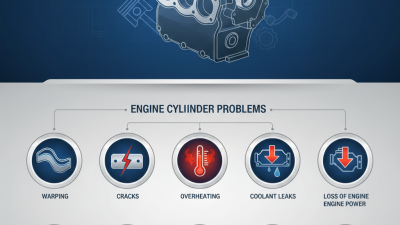
Typical symptoms include coolant loss, white exhaust smoke, rough idling, low compression, and oil mixed with coolant. A failed head gasket may leave a creamy deposit beneath the oil filler cap. However, short trips can create similar moisture, so one sign should not decide the diagnosis. A compression test, cooling-system pressure test, and inspection of the cylinder head surface provide stronger evidence.
Overheating is a major cause of warped heads and cracks. Check the coolant level only when the engine is cold. Inspect hoses, the radiator, the thermostat, and the cooling fan for obvious faults. Never ignore repeated temperature spikes. They often return with greater damage.
During service, technicians should measure flatness with suitable tools and follow the correct bolt-tightening sequence. Reusing damaged fasteners can produce uneven clamping. Valve clearances, seals, and deposits also deserve attention when the head is removed. Clean mating surfaces carefully, but avoid removing metal unnecessarily.
A checklist helps, but it is not perfect. Diagnosis still requires judgment. Maintenance intervals depend on engine design, operating conditions, and repair history. Record coolant changes, overheating events, and previous gasket work. These details can prevent a rushed and expensive decision.
| Cylinder Head Area | Primary Function | Typical Problem | Common Symptoms | Likely Causes | Typical Maintenance or Repair Need |
|---|---|---|---|---|---|
| Cylinder Head Casting | Forms the upper structure of the engine and contains passages for combustion, coolant, and lubricating oil. | Warping or cracking | Coolant loss, overheating, white exhaust smoke, low compression, or oil contamination | Severe overheating, thermal stress, freezing coolant, or improper tightening | Check flatness and cracks after overheating; machine or replace the head when specifications are exceeded. |
| Head Gasket | Seals combustion pressure, coolant passages, and oil passages between the cylinder head and engine block. | Gasket failure or leakage | Overheating, coolant entering the oil, coolant entering a cylinder, or combustion gases in the cooling system | Overheating, incorrect installation, surface distortion, or insufficient clamping force | Replace the gasket after confirming the head and block surfaces are suitable; use the specified tightening sequence and torque. |
| Intake and Exhaust Valves | Control the flow of the air-fuel charge into the combustion chamber and exhaust gases out of it. | Burned, bent, worn, or poorly sealing valves | Misfire, hard starting, reduced power, poor fuel economy, or low compression | Excessive heat, incorrect valve clearance, carbon deposits, or timing-related contact | Perform compression or leak-down testing; inspect valve faces and seats during cylinder-head service. |
| Valve Seats and Guides | Provide a sealing surface for valves and guide valve movement within the cylinder head. | Wear, recession, looseness, or damaged seating surfaces | Compression loss, oil consumption, exhaust smoke, or valve noise | High temperature, inadequate lubrication, abrasive contamination, or unsuitable valve adjustment | Measure guide clearance and seat condition; recondition or replace components as required. |
| Camshaft and Cam Bearings | Operate the valves at precisely timed intervals in engines with an overhead camshaft arrangement. | Lobe wear, bearing wear, or inadequate lubrication | Tapping noise, reduced power, rough running, or valve timing errors | Low oil level, contaminated oil, blocked oil passages, or extended oil-change intervals | Maintain the correct oil level and service interval; inspect lubrication passages and wear during overhaul. |
| Valve Springs and Retainers | Keep valves closed and secure the valve assembly during engine operation. | Weak, broken, or fatigued valve springs | Misfire at higher engine speed, valve-train noise, or loss of power | Fatigue, excessive heat, coil bind, incorrect installation, or excessive engine speed | Measure spring free length and pressure when specified; replace damaged or out-of-limit springs. |
| Coolant Passages | Carry coolant through the cylinder head to remove heat from the combustion chamber and valve areas. | Scale, blockage, corrosion, or coolant leakage | Uneven temperature, overheating, coolant odor, or visible leakage | Old coolant, incorrect coolant mixture, corrosion, or poor cooling-system maintenance | Use the specified coolant mixture, inspect hoses and leaks, and flush the system at the recommended interval. |
| Spark Plug or Injector Area | Supports ignition or fuel delivery components and helps position them correctly in the combustion chamber. | Thread damage, sealing leakage, fouling, or component malfunction | Misfire, difficult starting, fuel smell, poor acceleration, or deposits around the component | Incorrect installation torque, carbon buildup, heat damage, or fuel-system issues | Inspect threads and sealing surfaces; clean or replace components using the specified installation procedure. |