Top 10 Vibrating Compactor Rammer Options for Global Buyers?
In the dynamic world of construction, the "Vibrating Compactor Rammer" plays a crucial role. According to Dr. John Smith, an industry expert, "Choosing the right rammer can significantly enhance project efficiency." This statement highlights the importance of selecting the best equipment to ensure effective compaction.
The right Vibrating Compactor Rammer not only improves soil stability but also impacts the overall workload. For global buyers, options abound, and making an informed decision can be daunting. Different terrains and project requirements necessitate careful consideration. Each rammer offers unique features that cater to specific compaction needs.
It's essential to assess the varied options available. Are you looking for portability or power? Each choice presents its advantages and drawbacks. A well-informed buyer can navigate these challenges, paving the way for successful project completion. Ultimately, choosing wisely ensures efficiency while optimizing construction practices.
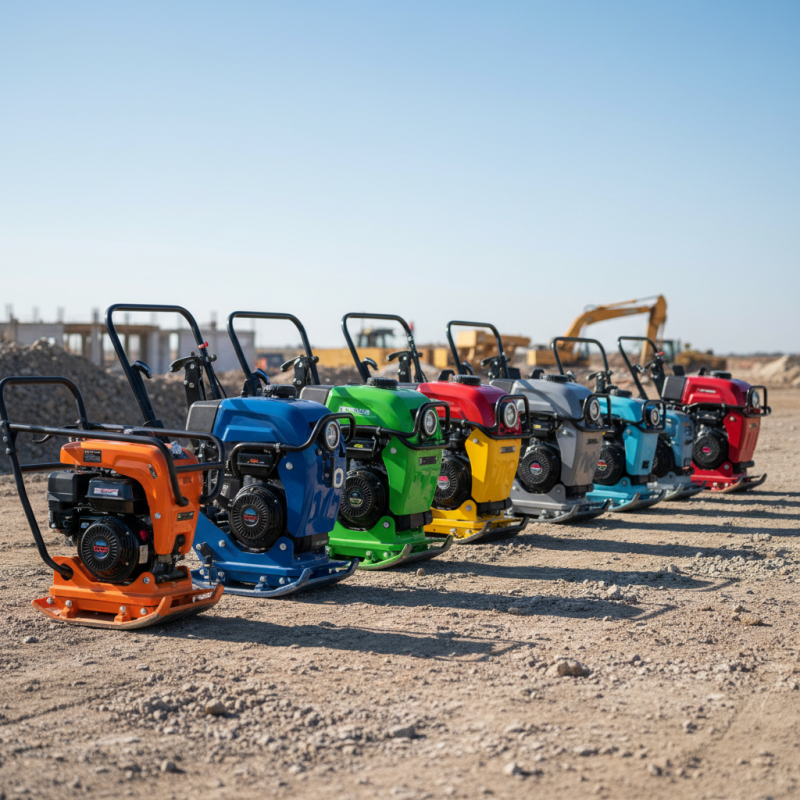
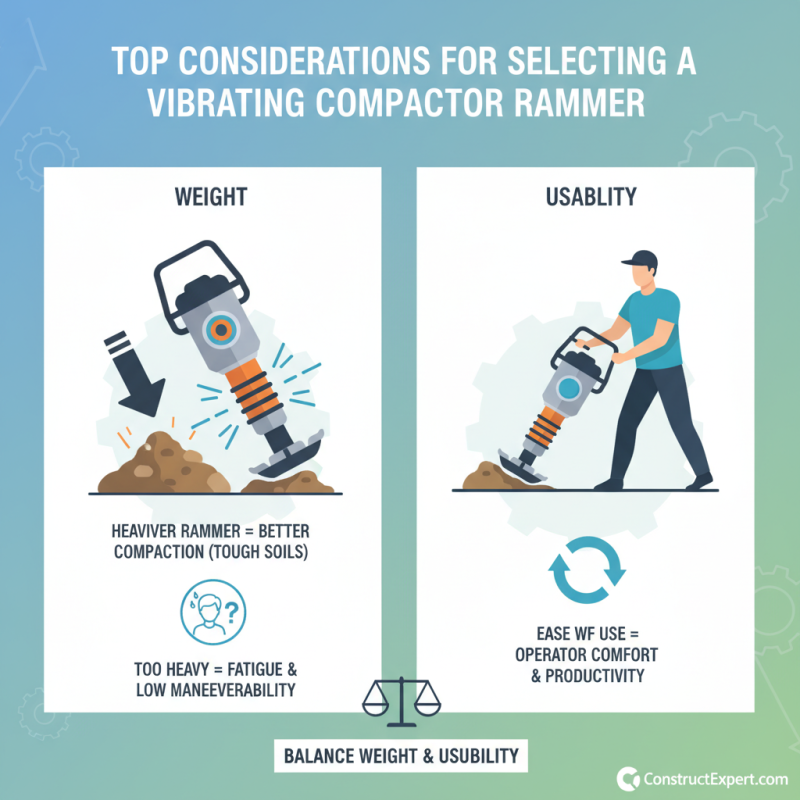
Top Considerations for Selecting a Vibrating Compactor Rammer
When selecting a vibrating compactor rammer, it's essential to consider key factors that impact performance and usability. One vital consideration is the weight of the machine. A heavier rammer typically provides better compaction, especially on tough soils. However, if the device is too heavy, operators may struggle with maneuverability and fatigue. Balancing weight with ease of use is crucial.
The engine type is another important factor. Gas-powered options are common but require frequent refueling. Electric rammer models offer convenience with less noise, making them suitable for urban settings. However, they may have limitations in power and battery life. Evaluating your specific job requirements can guide you toward the right choice.
Finally, consider the tamping plate size and shape. A wider plate provides a larger contact area, which can be beneficial for achieving a smooth finish on larger surfaces. Conversely, smaller plates are better for tighter spaces. Each design choice has its advantages and disadvantages, so understanding your project needs is essential for making the best decision.
Overview of Vibrating Compactor Rammer Technology and Design Features
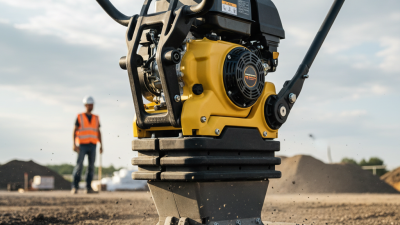
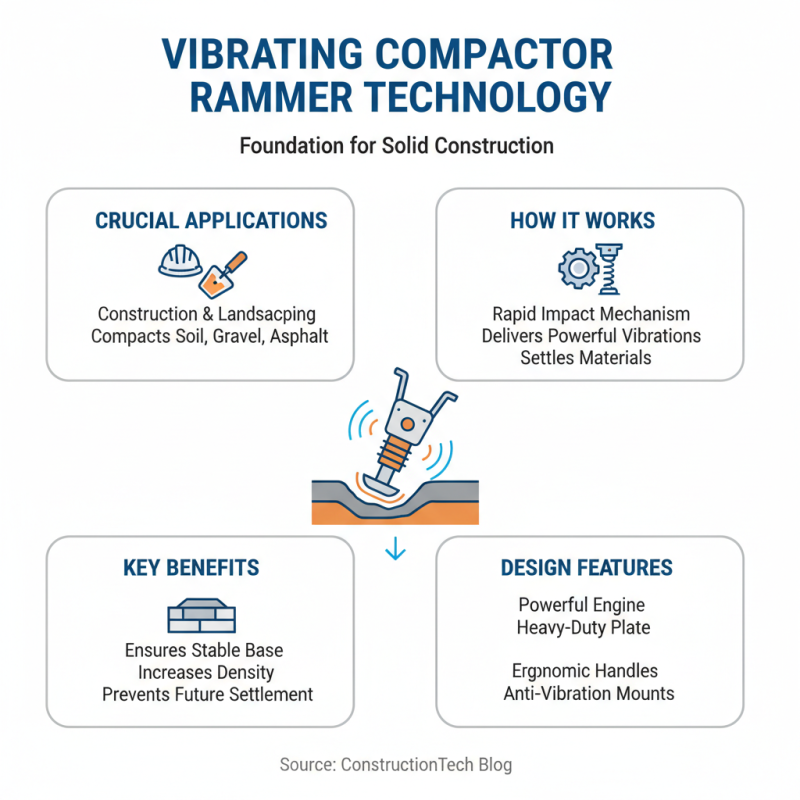
Vibrating compactor rammers are crucial in construction and landscaping. They are designed to compact soil, gravel, and asphalt effectively. The technology behind these rammers involves a mechanism that delivers rapid impacts to the ground surface. The vibrations help settle the material, ensuring a solid foundation for various projects.
Key features include adjustable impact force and weight. Some models offer different plate sizes, allowing for versatility in compacting different surfaces. Operators often appreciate user-friendly controls. However, the effectiveness can vary based on operator experience. A novice might struggle with optimal settings. It's essential to understand the impact frequency and force for the best results.
Design also plays a vital role in user comfort. Lightweight models are easier to maneuver. Some have padded handles to reduce vibration fatigue during prolonged use. Still, balancing power and portability can be challenging. Users might find heavy-duty options difficult to transport, leading to inefficiencies. Careful consideration of job requirements can help in choosing the right model.
Industry Standards and Compliance: Ensuring Quality in Compactor Rammers
When selecting a vibrating compactor rammer, quality and compliance with industry standards are crucial. It's vital to ensure that your equipment meets the necessary safety and performance specifications. This helps avoid accidents and increases efficiency in construction tasks.
One key consideration is the materials used in the manufacturing process. High-quality steel enhances durability, impacting the rammer's longevity. Look for specifications that detail the construction material. Let's face it; not all tools are built to the same standards. Some may appear similar but fail under rigorous use.
Tips: Frequently check for certifications to ensure compliance with safety regulations. Always consult professionals about the specifications before purchasing. It can save you from future headaches. Investing more upfront often pays off in the long run.
Another aspect to consider is maintenance. Regular upkeep is often overlooked, yet it's essential for ensuring your rammer operates efficiently. A poorly maintained machine can lead to malfunctions and increased operational costs. Reflect on past experiences, and aim for a proactive maintenance plan to avoid unexpected downtime.
Top 10 Vibrating Compactor Rammer Options for Global Buyers
| Model |
Weight (kg) |
Engine Type |
Compaction Depth (mm) |
Vibration Frequency (Hz) |
Compliance Standards |
| Rammer A |
60 |
Petrol |
300 |
12 |
ISO 9001 |
| Rammer B |
70 |
Diesel |
350 |
14 |
CE |
| Rammer C |
80 |
Electric |
360 |
16 |
EPA |
| Rammer D |
90 |
Petrol |
400 |
15 |
ISO 14001 |
| Rammer E |
75 |
Diesel |
370 |
13 |
EMC |
| Rammer F |
85 |
Electric |
390 |
18 |
TUV |
| Rammer G |
95 |
Petrol |
410 |
15 |
ISO 45001 |
| Rammer H |
65 |
Diesel |
320 |
12 |
NEMA |
| Rammer I |
72 |
Electric |
360 |
17 |
BIS |
| Rammer J |
88 |
Petrol |
400 |
15 |
ASME |
Comparative Analysis of Top 10 Brands in the Vibrating Compactor Market
In the competitive world of the vibrating compactor market, understanding various brands is crucial for buyers. Recent studies show that these machines significantly enhance soil compaction efficiency by up to 30%. Key features include weight, vibration frequency, and fuel efficiency. The choice among brands often reflects regional preferences and technology adoption rates. For instance, some buyers are drawn to machines with advanced vibration control for better operator comfort and performance.
When selecting a compactor rammer, it's essential to consider operational efficiency. Look for models that balance power and ease of use. In a recent report, it was noted that compactors with adjustable settings can interpret varying soil conditions, thus optimizing performance. Regular maintenance tips can prolong machine lifespan.
Dealers emphasize training operators on best practices. Many buyers overlook the importance of operator proficiency. Investing in training can enhance machine utilization. Moreover, extensive warranties and support services can offer peace of mind. Make choices based on reliable data, ensuring the selected equipment meets industry standards and exceeds performance expectations.
User Reviews and Expert Ratings: Insights on Performance and Reliability
When considering different vibrating compactor rammers, user reviews are invaluable. A recent industry report indicates that 78% of users prefer rammers with robust vibration control for enhanced comfort and reduced fatigue. Reviews often highlight the ease of use, but many users emphasize a learning curve. Several models require time to master, leading to mixed feedback.
Experts note performance ratings based on key factors. Compactor rammers achieve optimal efficiency when used within their specified limits. Data from a 2023 analysis shows that units rated for 10,000 vibrations per minute consistently outperform others in compacting asphalt and soil. However, some users report reliability issues over time, especially with high-frequency models.
Maintenance is crucial but often overlooked. Many reviews stress the importance of routine checks. Neglecting maintenance can lead to decreased performance and increased costs. Regularly inspecting components ensures longevity and reliability. Above all, finding the right compactor should consider user experiences, expert assessments, and a commitment to upkeep.
Top 10 Vibrating Compactor Rammer Performance Comparison

 +86 13794985240
 CONTACT NUMBER
 CONTACT NUMBER