Top 10 Cylinder Seal Kits You Need for Your Engine?
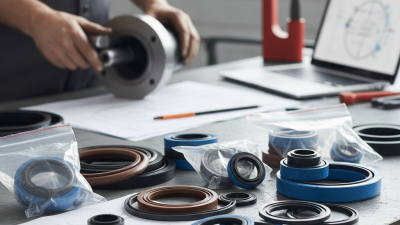
When it comes to maintaining your engine’s performance, selecting the right Cylinder Seal Kits is crucial. These kits play a vital role in ensuring the efficiency and longevity of your engine components. A worn or damaged seal can lead to leaks, reduced power, and even engine failure. Thus, understanding the best options available is essential for every engine owner.
Many options are available on the market, but not all of them meet the highest standards. You need kits that are durable and designed for specific applications. Premium materials often enhance performance and reliability. However, one must be cautious of cheaper alternatives; they often result in more problems than solutions.
Every engine has its unique requirements. Determining the best Cylinder Seal Kits for your needs requires research and experience. Consult experts and read reviews to ensure your choice aligns with your engine's specifications. Don’t rush this process; a well-informed decision can save you money and extend your engine’s lifespan.
Understanding Cylinder Seal Kits: Importance for Engine Performance
Cylinder seal kits play a critical role in ensuring optimal engine performance. They maintain fluid containment, prevent leaks, and support system pressure. In an industry report by the Society of Automotive Engineers (SAE), it was stated that a staggering 30% of engine failures result from inadequate sealing. This emphasizes that choosing the right seal kit is essential for any engine's longevity and efficiency.
These kits are responsible for safeguarding components from wear and tear. High-quality seals reduce friction and heat generation. A study by the Engine Manufacturers Association (EMA) found that a mere 1% improvement in sealing performance can yield up to a 5% increase in fuel efficiency. This reflects the importance of selecting suitable materials and designs in seal kits. However, not all seal kits meet these standards. Some use inferior materials that compromise durability and performance.
Regular inspection and replacement of cylinder seals can prevent more costly repairs down the line. Ignoring seal maintenance can lead to complications such as overheating or loss of power. With engines becoming more complex, understanding the nuances in seal kit functionality is paramount. Educating oneself on these details can make a significant impact on an engine’s operation and lifespan.
Top 10 Cylinder Seal Kits You Need for Your Engine
| Rank |
Seal Kit Name |
Compatibility |
Material |
Price Range |
Rating |
| 1 |
Premium Cylinder Kit A |
Model X, Y, Z |
Rubber |
$50 - $70 |
4.8/5 |
| 2 |
Economy Cylinder Seal B |
Model A, B |
Silicone |
$30 - $50 |
4.5/5 |
| 3 |
High Performance Seal Kit C |
Model W, X |
Nitrile |
$75 - $100 |
4.9/5 |
| 4 |
Standard Seal Kit D |
Model V, Z |
EPDM |
$40 - $60 |
4.4/5 |
| 5 |
Ultra Seal Kit E |
Model Q, R |
Polyurethane |
$60 - $80 |
4.7/5 |
| 6 |
All-Weather Kit F |
Model H, J |
Fluoroelastomer |
$90 - $110 |
4.6/5 |
| 7 |
Heavy Duty Kit G |
Model K, L |
Neoprene |
$55 - $75 |
4.2/5 |
| 8 |
Race Seal Kit H |
Model M, N |
Rubber |
$80 - $100 |
4.5/5 |
| 9 |
Eco-Friendly Seal Kit I |
Model P, Q |
Biodegradable |
$45 - $65 |
4.3/5 |
| 10 |
Custom Fit Seal Kit J |
Model T, U |
Synthetic |
$100 - $120 |
4.6/5 |
Essential Components of Cylinder Seal Kits for Optimal Functionality
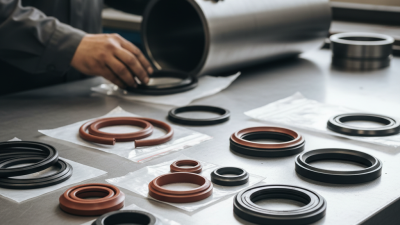
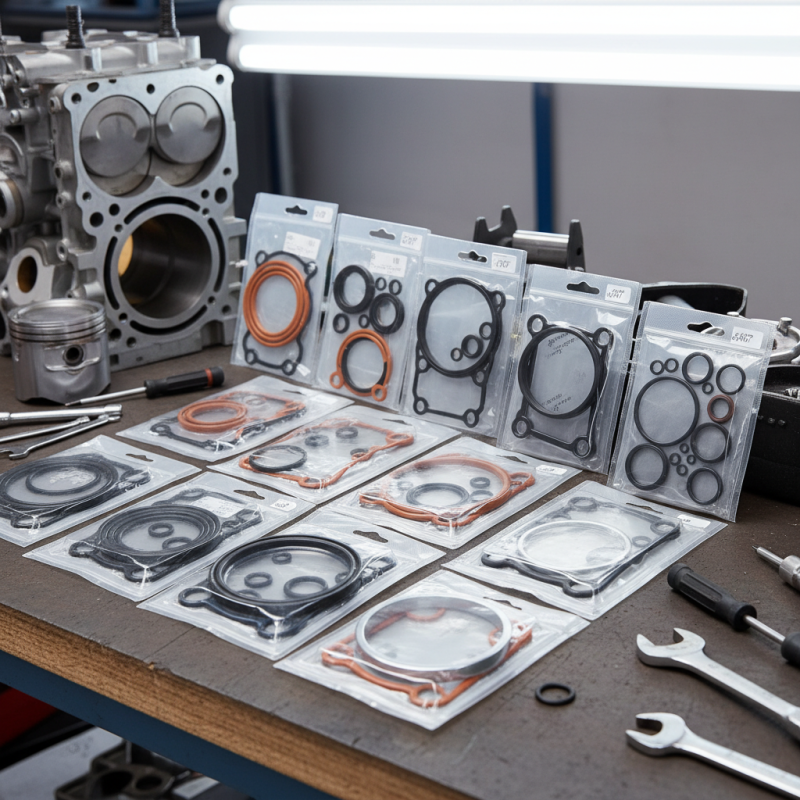
When maintaining engine efficiency, cylinder seal kits play a crucial role. These kits include essential components like O-rings, seals, and gaskets. Each piece ensures a tight fit, preventing leaks and optimizing performance. According to industry reports, proper sealing can enhance engine longevity by up to 15%.
Quality of materials used in cylinder seal kits directly affects their durability. Nitrile rubber and PTFE are common choices due to their heat resistance and longevity. A study from the Engine Components Association highlights that engines using high-quality seals perform better under pressure. Engine performance can diminish significantly with subpar seals. It’s vital to choose materials suited to your engine type.
Tip: Regularly inspect your cylinder seals for wear. Small cracks can lead to bigger issues later. Changing seals at intervals recommended by experts increases longevity.
Remember to consider the environment too. Exposure to extreme temperatures and chemicals can deteriorate seal quality. It’s essential to educate yourself about the best practices for maintaining your engine seals. The knowledge leads to better decision-making when replacing components.
Top Manufacturers and Brands of Cylinder Seal Kits to Consider
When selecting cylinder seal kits, understanding the top manufacturers is crucial. Industry reports reveal that the market has grown significantly, reaching a valuation of over $1 billion in 2023. This growth underscores the importance of high-quality seals in engine performance. Durable materials and precise manufacturing are essential for optimal engine function.
Renowned companies excel in developing reliable cylinder seal kits. Their products often undergo extensive testing for durability and efficiency. Research indicates that engines using high-quality seals can see up to a 15% increase in performance. However, not all kits meet these standards. It’s vital to scrutinize certifications and material specifications.
Many manufacturers face challenges in quality control. Some kits may have inconsistencies, affecting performance. Feedback from users highlights issues such as premature wear or poor fitting. Selecting a reputable brand can mitigate these risks. It's essential to engage with customer reviews and professional recommendations to ensure that you’re investing in the best options available.
How to Select the Right Cylinder Seal Kit for Your Engine Model
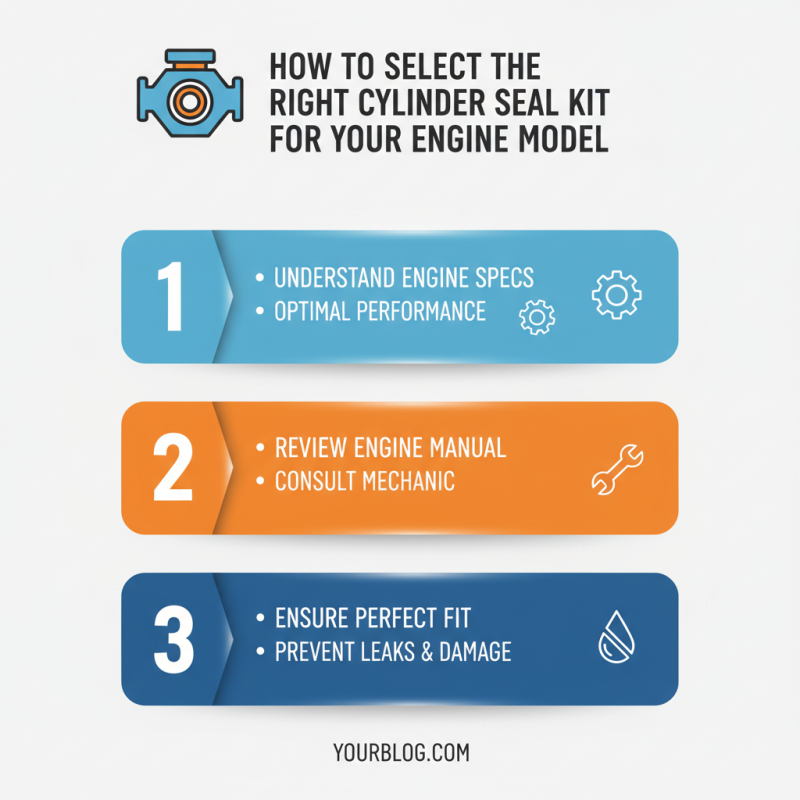
Selecting the right cylinder seal kit for your engine model is crucial for optimal performance. Begin by understanding the specifications of your engine. Review the engine's manual or consult with a professional mechanic. This will ensure that you pick a kit that fits perfectly, preventing leaks or damage.
Pay attention to the material of the seals. Different engines require different types of seals, such as rubber or silicone. Durability is key. Check for any wear and tear on existing seals before making a decision. An imperfect seal could lead to engine failure, so be diligent in your choice.
Also, consider the environment where the engine operates. Extreme temperatures or exposure to chemicals can affect seal performance. Reflect on your engine's usage history. If your engine has been through tough conditions, a more robust seal kit might be necessary. Investing time in selecting the right kit pays off in reducing future maintenance needs.
Maintenance Tips for Cylinder Seal Kits: Ensuring Longevity and Efficiency
Maintenance is key to prolonging the life of your cylinder seal kits. Regular inspection helps identify wear and tear, which is crucial for engine efficiency. Look for signs of leakage or cracks. A small leak can lead to significant engine problems. If you find damage, replacing the seals promptly will save you money in the long run. Routine maintenance should never be overlooked.
Cleaning the seals is also essential. Dirt and debris can accumulate, causing wear. Use a soft cloth to wipe them down regularly. Avoid harsh chemicals; they might damage the material. Inspect every part carefully. If seals seem worn, replacing them can prevent future issues. It’s a simple step but often neglected.
Using the right lubricants ensures smooth operation. Too much or too little can affect seal performance negatively. Don't forget to monitor operating temperatures. Overheating can deteriorate seals faster than usual. Keeping a diary of maintenance can help track when service is needed. Reflect on what works and what doesn’t. It’s okay to learn through trial and error.
Top 10 Cylinder Seal Kits Performance Comparison
This chart displays the durability performance of the top 10 cylinder seal kits. Durability is measured in hours of operation before replacement is necessary. Select the kit that best matches your engine's needs to ensure optimal performance and longevity.

 +86 13794985240
 CONTACT NUMBER
 CONTACT NUMBER