Leave Your Message

What Are Cylinder Seal Kits and How Do They Work?

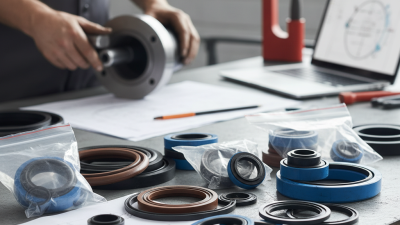
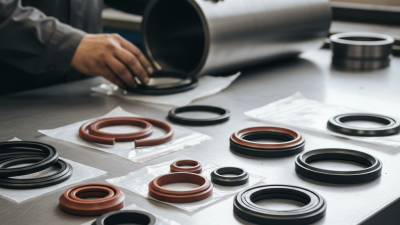
Cylinder Seal Kits are the quiet maintenance components behind reliable hydraulic and pneumatic cylinders. They usually contain rod seals, piston seals, wipers, guide rings, O-rings, and backup rings. Each part works within a narrow space, often exposed to pressure, heat, dust, and oil. A small cut on the rod seal can create a visible leak within hours.

Dr. Robert Flitney, a respected sealing engineer and author, defines the basic purpose clearly: “A seal is a device which prevents the passage of a fluid from one space to another.” That simple sentence explains the entire working principle. In a cylinder, seals separate pressure zones while allowing the piston rod or piston to move. Their profiles manage contact, friction, and fluid retention at the same time. It is a demanding balance.

A correctly selected set can restore pressure, reduce contamination, and extend cylinder life. The details matter. A polyurethane rod seal may suit demanding hydraulic pressure, while an incompatible elastomer may swell in certain fluids. Temperature, bore size, groove condition, pressure spikes, and installation tools all influence performance. Experience shows that many failures begin before installation, often with incorrect measurements or rushed cleaning.

The process is not always perfect. Even an authentic Cylinder Seal Kits set may fail when the cylinder shaft is scratched. That is why inspection must accompany replacement. This guide explains how these kits function, what each seal controls, and how careful selection supports dependable equipment operation.
What Are Cylinder Seal Kits and How Do They Work?

Cylinder Seal Kit Components: Rod, Piston, Wiper, and O-Ring Seals

What Are Cylinder Seal Kits and How Do They Work?

Cylinder Seal Kit Components: Rod, Piston, Wiper, and O-Ring Seals

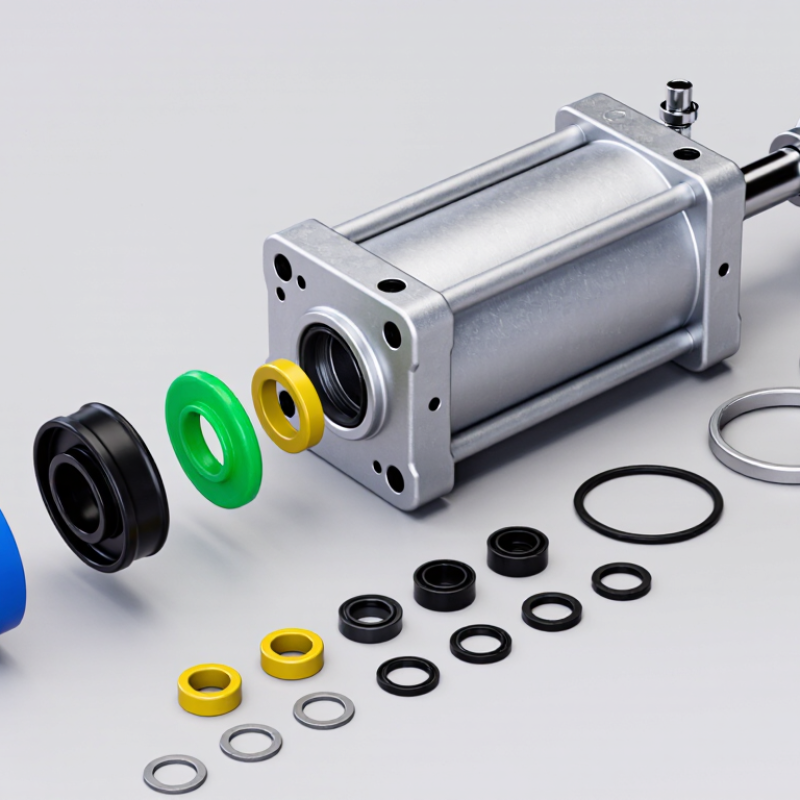
A cylinder seal kit restores the sealing points inside a hydraulic or pneumatic cylinder. According to a 2024 MarketsandMarkets industry report, the global hydraulic cylinder market is projected to grow steadily through 2029. That growth increases the need for reliable maintenance, not just replacement parts. A kit usually includes rod seals, piston seals, wipers, and O-rings. Each component controls pressure, contamination, or fluid movement.

The rod seal surrounds the polished rod and prevents hydraulic fluid from escaping during extension. The wiper sits outside the cylinder head. It scrapes away mud, dust, and moisture before they reach internal surfaces. The piston seal separates pressure chambers and supports efficient force transfer. O-rings provide static sealing around grooves, ports, and gland connections. Small damage matters. A cut O-ring can cause pressure loss, while a hardened wiper may allow abrasive particles inside. In field maintenance, incorrect groove measurement remains a common and costly mistake.

Tips: Confirm material compatibility, groove dimensions, and operating temperature before installation. Clean every sealing surface. Avoid sharp tools. Lubricate lightly with compatible fluid. A seal that looks correct may still fail under side loading, heat, or contaminated oil. Some failures are not seal failures at all. Misalignment, scored rods, and excessive pressure deserve inspection before fitting a new kit.
ISO 6020/2 Cylinders: 160-Bar Nominal Pressure and Seal Selection

Cylinder seal kits contain the sealing elements that keep hydraulic fluid inside a cylinder and exclude dust. A typical kit includes a rod seal, piston seal, wiper, guide rings, O-rings, and backup rings. Each part has a specific job. The wiper scrapes dirt from the exposed rod. The piston seal maintains pressure between chambers. A small damaged seal can cause drift, leakage, or scoring on the rod.

ISO 6020-2:2015 defines the mounting dimensions for single-rod cylinders in the 160-bar nominal pressure series. At this pressure, seal selection cannot rely on size alone. Engineers should check fluid type, operating temperature, rod speed, pressure spikes, and extrusion gaps. Polyurethane often suits dynamic rod sealing, while PTFE-based compounds can reduce friction in faster applications. Static O-rings still need compatible elastomers. Compatibility matters more than appearance.

Cleanliness deserves equal attention. ISO 4406:2021 provides a method for reporting hydraulic-fluid particle contamination by particle-count codes. During installation, a lint-free cloth, filtered oil, and covered components reduce avoidable damage. In field work, technicians should compare the old seal’s wear pattern with the cylinder’s duty cycle. A polished lip may suggest friction. A torn edge can indicate pressure extrusion or misalignment. The correct kit can still fail in dirty oil. That is the uncomfortable part. Even experienced maintenance teams sometimes replace seals without checking the rod surface, gland clearance, or pressure history.

What Are Cylinder Seal Kits and How Do They Work?

ISO 6020/2 hydraulic cylinders are commonly rated at a nominal pressure of 160 bar. A seal kit typically contains rod seals, piston seals, wiper seals, guide rings and static O-rings. Seal material should be selected according to temperature, fluid compatibility, pressure and cylinder speed.

Typical continuous temperature limits shown for commonly used hydraulic seal materials. Actual limits depend on compound formulation, fluid type, pressure, speed and manufacturer specifications.

How Hydraulic Seals Contain Pressure in ISO 6022’s 250-Bar Cylinders

What Are Cylinder Seal Kits and How Do They Work?

A cylinder seal kit contains the parts that keep hydraulic fluid inside a working cylinder. Typical components include a piston seal, rod seal, wiper, guide rings, and static O-rings. Each part has a specific task. The piston seal separates pressure between both sides of the piston. The rod seal stops oil from escaping along the moving rod. The wiper removes dust before it enters the cylinder.

In an ISO 6022 cylinder rated for 250 bar, pressure reaches about 25 MPa. That force can expose small weaknesses quickly. The piston seal must maintain contact without creating excessive friction. Guide rings keep the piston centered and reduce uneven loading. At the rod end, the seal, gland, and surface finish work together to contain pressure. A damaged wiper can also shorten seal life by carrying grit inside.

Fit matters greatly. A seal with the wrong profile may leak, even when its material seems suitable. Temperature, fluid compatibility, rod hardness, and extrusion gaps require careful checking. Installation should use clean tools and avoid twisting the seal. Small scratches can become leakage paths. A seal kit is not a cure-all. In field maintenance, repeated failure sometimes indicates misalignment, pressure spikes, or a worn rod. That detail is easy to miss. Testing should begin at low pressure, then increase gradually while checking leakage, drift, and abnormal friction.

Seal Materials and Temperature Limits: NBR, PTFE, and Polyurethane

Cylinder seal kits contain matched sealing elements for hydraulic or pneumatic cylinders. They may include rod seals, piston seals, wipers, guide rings, and static O-rings. During movement, these parts prevent fluid leakage and keep dirt outside the cylinder. Correct installation matters. A twisted seal can fail within hours.

NBR is a practical choice for mineral oils and moderate temperatures. Its usual working range is about -30°C to 100°C, depending on the compound. It performs well in many general hydraulic applications, but hot air, ozone, and some chemicals can shorten its life. Polyurethane usually offers stronger abrasion resistance. It suits dynamic sealing and repeated rod movement, often from -30°C to 80–100°C. Its exact limit depends on hardness, fluid, and pressure.

PTFE handles heat and chemical exposure better than many elastomers. Standard compounds may work from roughly -200°C to 260°C, but fillers and seal design change this range. PTFE also has limited elasticity, so an energizer or backup element may be required. Temperature ratings are not promises. Pressure, speed, clearance, and fluid temperature interact. A seal exposed to 90°C oil may behave differently from one touching 90°C water. Check the material datasheet, measure the actual fluid temperature, and inspect the old seal for swelling, cuts, or hardening. Selection is sometimes less certain than expected. That uncertainty deserves attention.

Seal Kit Replacement: ISO 3601 Sizing, Installation, and Leak Testing

Cylinder seal kits combine several sealing elements for hydraulic or pneumatic cylinders. They usually include rod seals, piston seals, wipers, guide rings, and static O-rings. Each part controls pressure, prevents contamination, or guides moving components. Small details matter.

ISO 3601 sizing helps technicians select O-rings by inside diameter and cross-section. Do not rely only on a part number or visual comparison. Measure the groove, shaft, and housing when records are unclear. Check the seal material against fluid type, temperature, pressure, and movement speed. A seal that fits may still fail in service. I have found that damaged grooves often explain repeated leaks better than the new seal itself.

Clean every groove before installation. Remove rust, dust, and old seal fragments without scratching metal surfaces. Use a compatible lubricant and protect seals from sharp edges during fitting. Never twist a seal into its groove. It should sit evenly, without bulges or pinched areas. The mistake is easy to make.

After assembly, perform a controlled leak test at the specified operating pressure. Increase pressure gradually and inspect the rod, ports, and end caps. Wipe the surface dry before testing, so fresh leakage is visible. Check for pressure loss and drifting movement. A short test can miss a slow leak, so allow enough holding time. If results seem uncertain, stop and inspect the installation rather than tightening hardware blindly. That extra check often prevents another teardown.