Why Is My Cylinder Head Gasket Leaking and How to Fix It?
The integrity of a vehicle's Cylinder Head Gasket is crucial for optimal performance. When this vital component begins to leak, it can lead to significant engine problems. Expert mechanic John Smith emphasizes, "A leaking Cylinder Head Gasket can spiral into costly repairs if not addressed promptly."
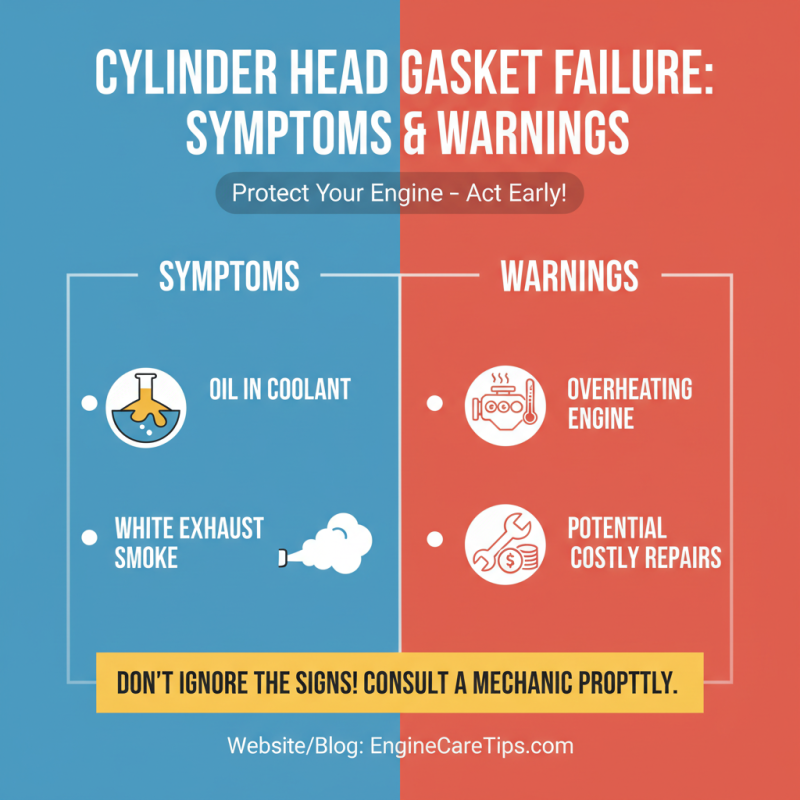
Drivers may notice symptoms such as overheating, coolant leaks, or engine misfires. These issues often stem from the Cylinder Head Gasket failing to maintain a proper seal. Many overlook this critical part until it's too late. Addressing the problem early can save time and money. But how can one effectively diagnose and repair such leaks?
Understanding the function of the Cylinder Head Gasket is essential. It seals the engine block and head, keeping oil and coolant apart. But external factors like age, overheating, and poor maintenance can compromise its integrity. Observing the warning signs and seeking professional help can prevent further damage. Ignoring these issues may lead to serious engine complications. It's vital to act before a minor leak turns into a significant repair.
Understanding Cylinder Head Gasket Function and Importance
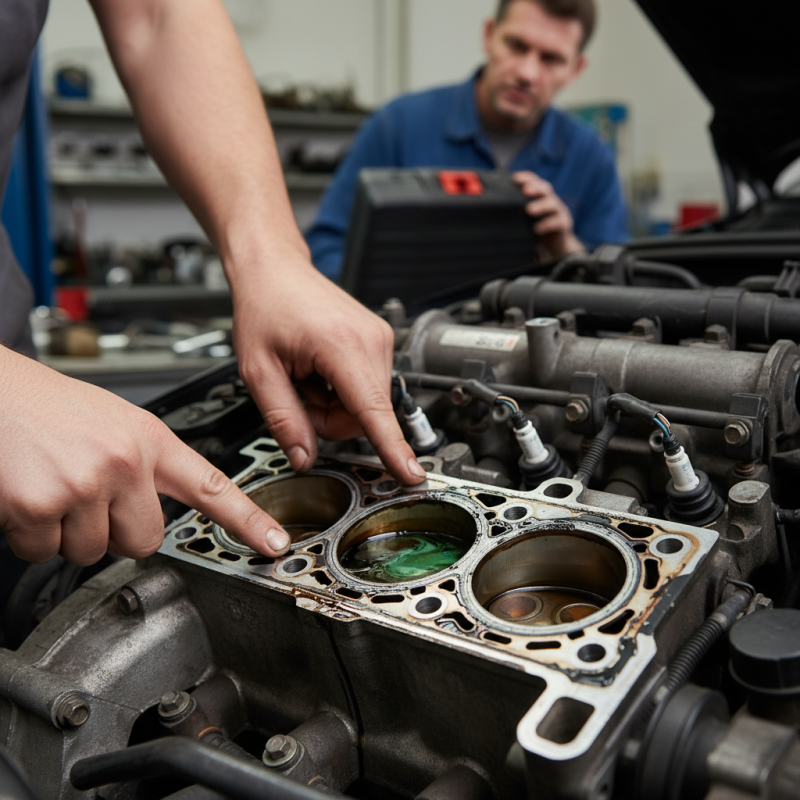
The cylinder head gasket plays a crucial role in an engine's performance. It sits between the engine block and the cylinder head. This component seals the combustion chamber. It prevents coolant and oil leaks, maintaining ideal operating conditions. A damaged gasket can lead to significant engine problems. Studies show that up to 90% of head gasket failures happen due to overheating. Overheating is often the result of poor cooling systems or low coolant levels.
When a gasket leaks, it impacts engine efficiency. It can create a loss of power and increased emissions. Leaks may also lead to mixed fluids, causing severe engine damage. Reports indicate that cylinder head gasket repairs can range from $1,000 to $3,000 or more depending on the damage. Identifying symptoms early is crucial. Look for signs such as overheating, white smoke from the exhaust, or coolant in the oil. Addressing these issues promptly can save thousands in repairs and extend your engine's lifespan. Monitoring engine temperature and fluid levels regularly is essential for maintenance. Ignoring small problems can lead to bigger, costlier ones down the line.
Common Causes of Cylinder Head Gasket Leaks
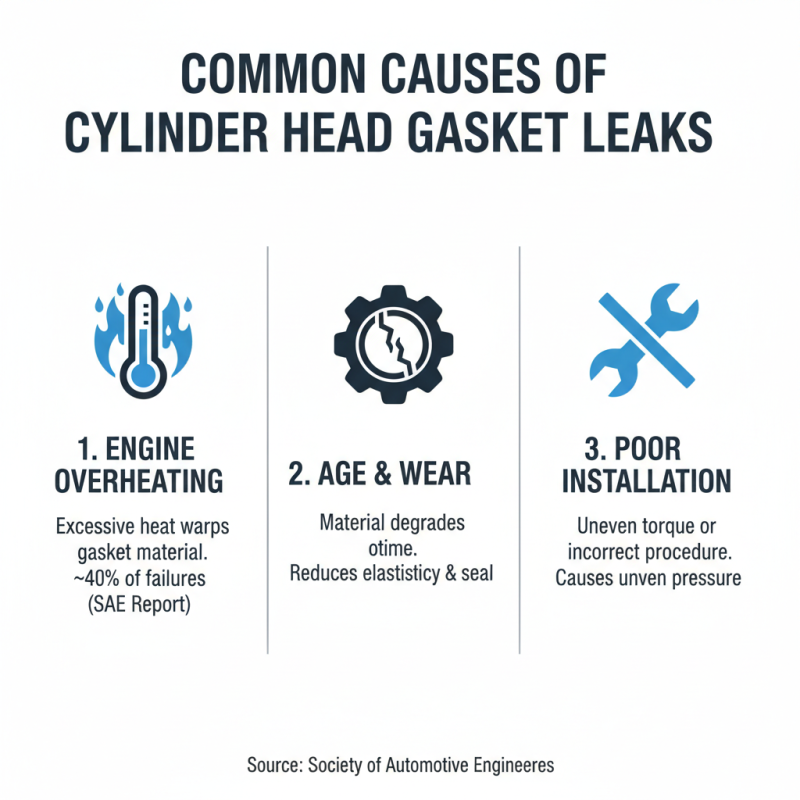
Common Causes of Cylinder Head Gasket Leaks
Cylinder head gasket leaks can stem from various issues. One common cause is engine overheating. A report from the Society of Automotive Engineers indicates that approximately 40% of gasket failures are due to excessive heat. When temperatures soar, the gasket material can warp, leading to leaks.
Another factor is poor installation. Many technicians may overlook torque specifications when installing a gasket. According to a survey by Motor Magazine, around 25% of gasket failures are attributed to improper installation. Tightening a gasket too much can damage it, while not tightening enough can compromise the seal.
Lastly, age and wear play a significant role. Over time, the gasket material deteriorates. A study from the International Journal of Engine Research shows that materials used around 15 years ago have a much higher failure rate compared to newer compounds. This highlights the importance of regular maintenance and timely replacements. Ignoring these factors may lead to costly repairs down the road.
Signs and Symptoms of a Leaking Cylinder Head Gasket
A leaking cylinder head gasket can cause serious engine problems. One primary sign is overheating. When coolant seeps into the engine, it disrupts normal temperature regulation. In fact, studies show that nearly 40% of engine failures are linked to cooling system issues. Other symptoms include white smoke from the exhaust. This indicates coolant burning in the combustion chamber. Noticing this early can save thousands in repairs.
Another telltale sign is engine misfire. When a gasket leaks, it can affect cylinder pressure. This leads to performance issues. According to various mechanic reports, a loss of compression can be felt immediately. Drivers may notice their car struggling to accelerate. Fluid leaks from the engine bay can also suggest a gasket problem. Dark, oily fluids combined with coolant are strong indicators.
Pay attention to your vehicle’s behavior. Ignoring these signs may exacerbate the issue. Maintenance records reveal many owners wait too long to address gasket problems. This delay can lead to costly repairs, with many engine rebuilds costing over $3000. The key is early detection. Regular checks can help identify small issues before they escalate. Look out for high engine temperatures and abnormal exhaust, as they can signal looming trouble.
Steps to Diagnose and Confirm a Head Gasket Leak
When diagnosing a head gasket leak, start by checking for visible signs. Look for coolant puddles under the vehicle. Steam or white smoke from the exhaust can indicate a problem. Overheating is another serious symptom. If the engine temperature suddenly spikes, it may be related to a leaking gasket.
Next, perform a compression test. This can help confirm if there’s a leakage issue. Collect readings from each cylinder. Uneven pressure readings often point to a blown gasket. Another effective method involves using a chemical test kit. This checks for exhaust gases in the coolant. If you notice a significant change, you’ve likely found the leak.
Don’t forget to inspect engine oil. If it appears milky or frothy, that’s a warning sign. Oil mixing with coolant is not normal. It raises questions about the gasket’s integrity. Remember, diagnosing issues is crucial. Ignoring leaks may lead to costly repairs. Identifying the problem early allows for easier fixes. Take your time with these steps for better accuracy.
Why Is My Cylinder Head Gasket Leaking and How to Fix It? - Steps to Diagnose and Confirm a Head Gasket Leak
| Symptoms of a Leaking Head Gasket |
Possible Causes |
Diagnostic Steps |
Repair Options |
| Overheating engine |
Aging gasket material |
Check coolant levels |
Replace head gasket |
| White smoke from exhaust |
Engine overheating |
Perform a compression test |
Machining the cylinder head |
| Loss of coolant |
Manufacturing defects |
Inspect for external leaks |
Use of sealer products |
| Oil in coolant |
Head gasket failure |
Check oil color and consistency |
Complete engine overhaul |
| Rough engine performance |
Poor installation |
Use a pressure tester |
Re-torque cylinder head bolts |
Guidelines for Repairing or Replacing a Cylinder Head Gasket
A leaking cylinder head gasket can lead to severe engine issues. When the gasket fails, it can allow coolant and oil to mix, causing overheating. Identifying the symptoms early can save you from costly repairs. Look for oil in your coolant or white smoke from the exhaust. These are clear signs something is wrong.
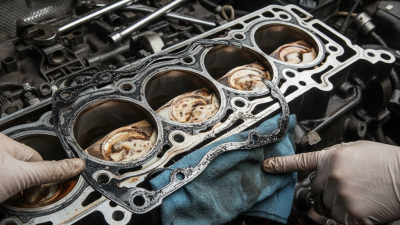
Repairing a cylinder head gasket isn't always straightforward. You may need to disassemble parts of the engine. Gasket replacement typically involves cleaning surfaces and applying new sealant. Ensure the new gasket fits well. Sometimes, warped cylinder heads need resurfacing. That can add time and cost to your repair job.
If you're not experienced, it's wise to seek professional help. Not all DIY solutions work, and mistakes can lead to more damage. Consider the tools and time necessary for the job. Sometimes, it's a chance to learn and improve your skills. Reflect on past repairs and think about what went wrong or right. Each experience builds your knowledge for the next project.

 +86 13794985240
 CONTACT NUMBER
 CONTACT NUMBER