Top 10 Common Issues with Bucket Teeth You Should Know?
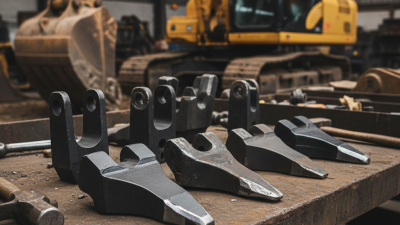
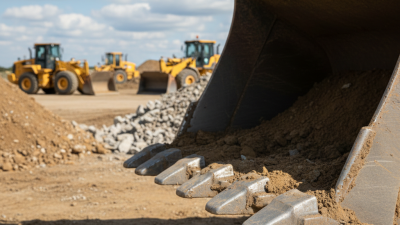
Bucket Teeth are a crucial component in heavy machinery, especially in excavation and construction. As John Smith, an industry expert and engineer, once said, "Understanding Bucket Teeth issues can save time and money." This statement highlights the importance of knowing what to look for in these components.
Many construction professionals often overlook common problems with Bucket Teeth. Regular maintenance is key to avoiding costly repairs. Issues like wear patterns, misalignment, and improper installation can lead to significant downtime. For instance, a worn Bucket Tooth can dramatically decrease efficiency and increase operational costs.
It's essential to recognize these problems before they escalate. Familiarizing yourself with the typical challenges can make a difference in performance and longevity. Addressing these concerns proactively is crucial. Ignoring them may lead to unexpected failures on the job site. Keeping an eye on your Bucket Teeth ensures smoother operations and less hassle in the long run.
Common Causes of Wear and Tear on Bucket Teeth
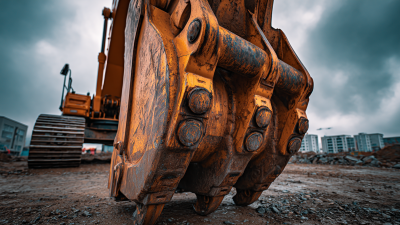
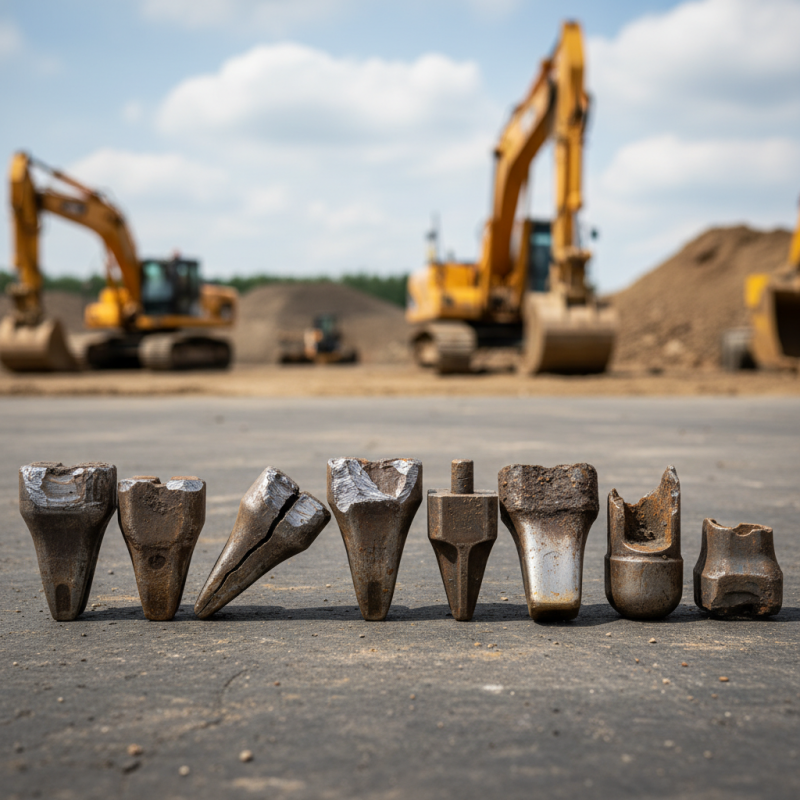
Bucket teeth are essential components in excavation and construction. However, they face significant wear and tear from rigorous use. Understanding the common causes is crucial for maintenance strategies.
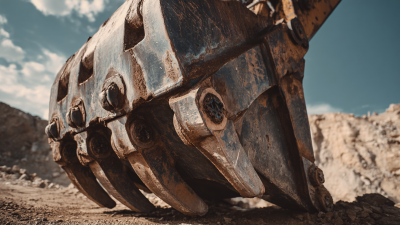
One major factor is the type of soil being excavated. Hard or rocky soils increase stress on bucket teeth, leading to rapid deterioration. A recent industry report indicated that up to 70% of wear occurs in such conditions. Additionally, improper cutting angles can exacerbate this issue, causing uneven wear and potentially damaging the entire bucket.
Another factor is inadequate maintenance. Regular inspections can identify wear patterns early on. A study highlighted that 40% of equipment failures stem from neglecting such checks. Operators often overlook minor cracks or chips, risking costly breakdowns later. Proper lubrication and timely replacements can help extend the life of bucket teeth significantly, yet many still fall short.
Common Issues with Bucket Teeth and Their Causes
Signs of Improper Bucket Tooth Installation and Alignment
Improper bucket tooth installation can lead to several issues. Misalignment is one of the most common signs. When teeth are not aligned properly, they can cause uneven wear, leading to premature failures. A tooth that is off-center may result in excessive stress on the attachment points. This can lead to costly repairs and downtime.
Another sign to look out for is loose fittings. If the bucket teeth wiggle or move, it indicates a poor installation. This can happen when the pins aren’t secured correctly. Loose teeth can create vibrations that are damaging over time. Noticing this early on can save a lot of trouble later.
Additionally, pay attention to wear patterns. If some teeth wear down faster than others, misalignment might be the cause. Often, operators overlook these signs, which compounds the issues. Regular inspection is essential to maintaining proper alignment and function. Address these signs promptly to avoid larger problems down the road.
Effects of Material Quality on Bucket Tooth Performance
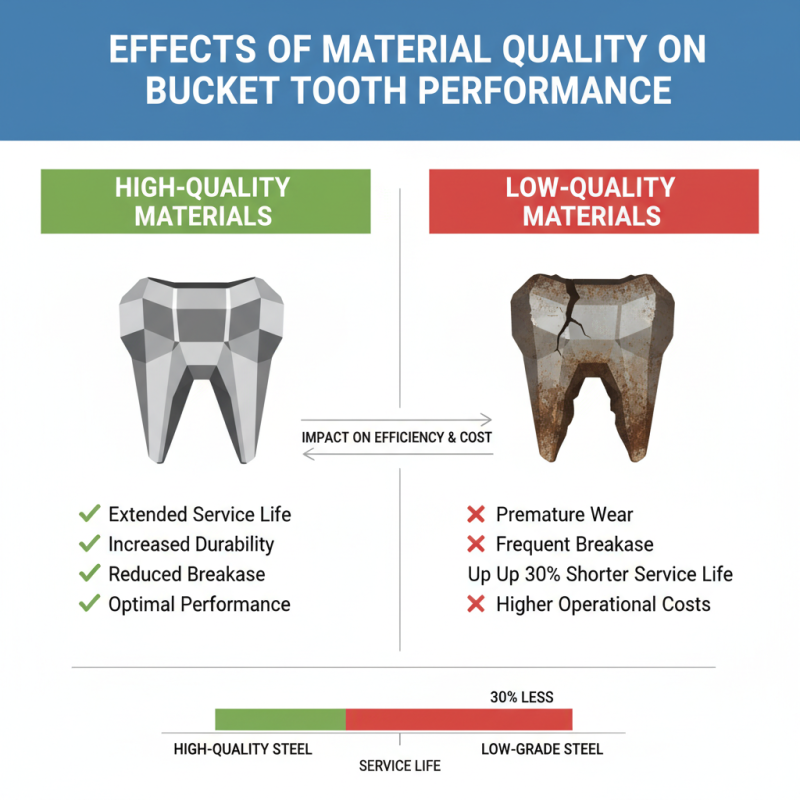
The performance of bucket teeth is greatly influenced by the quality of materials used in their production. Poor-quality materials can lead to issues such as premature wear and breakage. According to industry reports, low-grade steel can reduce service life by up to 30%. This inefficiency can significantly impact operational costs over time.
Investing in high-quality materials ensures better wear resistance and longevity. Steel treated for hardness often withstands diverse working conditions. Studies show that bucket teeth made from premium alloys can endure higher stress levels without failure. However, many operators still use inferior products, which leads to unnecessary equipment downtime.
Tip: Always analyze the material specifications before purchasing bucket teeth. Seek out detailed reports or data to guide your decision.
Furthermore, poor material quality can lead to safety risks. A broken tooth can pose dangers to operators and equipment. Regular inspection of bucket teeth is essential, but those made with subpar materials often need replacement sooner. This frequent need for replacement incurs additional costs and reduces operational efficiency.
Tip: Schedule regular maintenance checks, focusing on material integrity to avoid these costly issues. Prioritizing quality can save time and money in the long run.
Maintenance Practices to Extend the Life of Bucket Teeth
Maintaining bucket teeth is essential for optimal performance. Regular inspections can identify wear and damage early. This keeps costs down and productivity high. Consider a routine check every week. Visual inspections help catch issues like cracks or missing parts.
Proper cleaning is vital. After each use, remove dirt and debris. This practice prevents corrosion and buildup. Use a wire brush or pressure washer for deep cleaning. Accumulated materials can hide cracks.
Next, lubrication is often overlooked. Applying a protective grease extends the lifespan of bucket teeth. It reduces friction and wear during operation. Regular lubrication intervals should be part of routine maintenance.
Remember, each piece has a limit. Overworking equipment leads to faster wear. Pay attention to the workload and adjust when necessary. Bucket teeth need love too. Taking time for maintenance pays off in the long run.
Solutions for Common Bucket Tooth Replacement Issues
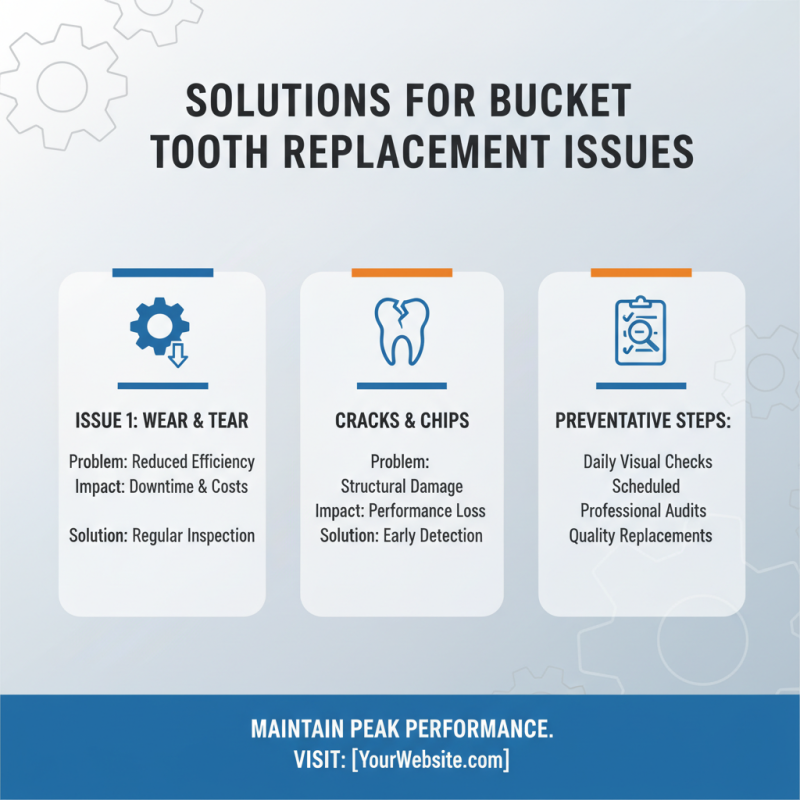
When it comes to bucket teeth, various common issues arise. Wear and tear is a significant problem. Over time, bucket teeth can suffer from cracks and chips. These damages affect performance and can lead to costly downtime. A regular inspection schedule helps identify these problems early.
Another frequent issue is improper installation. If the teeth are not fitted correctly, they can dislodge during operation. This increases the risk of damage to the bucket and surrounding equipment. Always ensure the teeth are secured tightly. If you notice any movement, it’s time to reassess the fit.
Maintenance is crucial. Failing to clean or lubricate bucket teeth can accelerate wear. Operators often overlook this step, leading to avoidable replacements. Develop a routine maintenance plan to check for soil buildup. Cultivating these habits helps prolong the life of bucket teeth. Remember, proactive measures save money in the long run.

 +86 13794985240
 CONTACT NUMBER
 CONTACT NUMBER