Top 10 Common Engine Cylinder Head Issues You Should Know?
The engine cylinder head is a vital component of any vehicle. It plays a crucial role in the engine's performance. However, issues with the engine cylinder head are surprisingly common. These problems can lead to severe engine damage if not addressed in time.
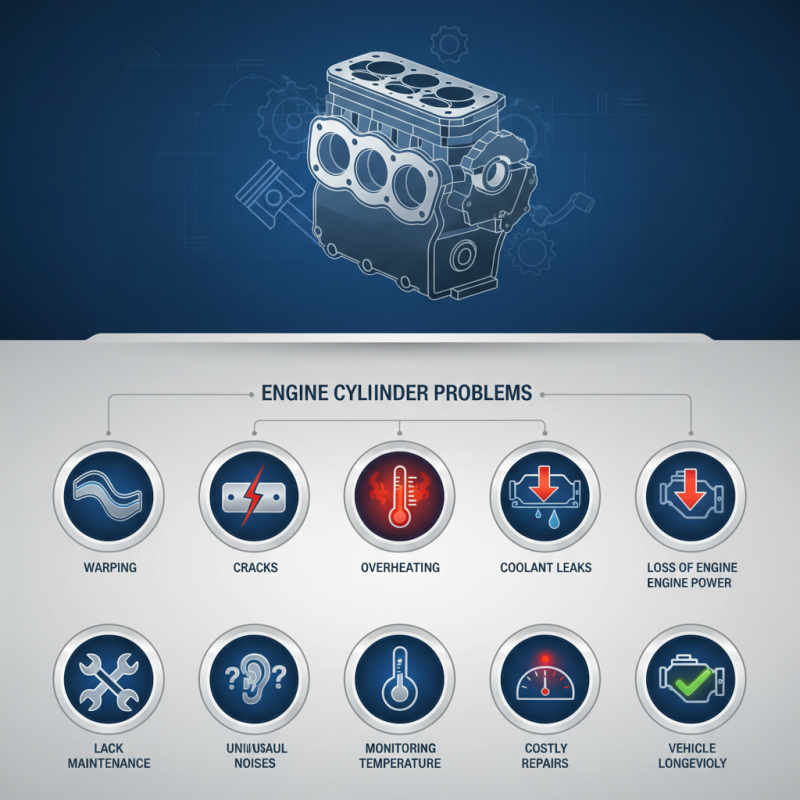
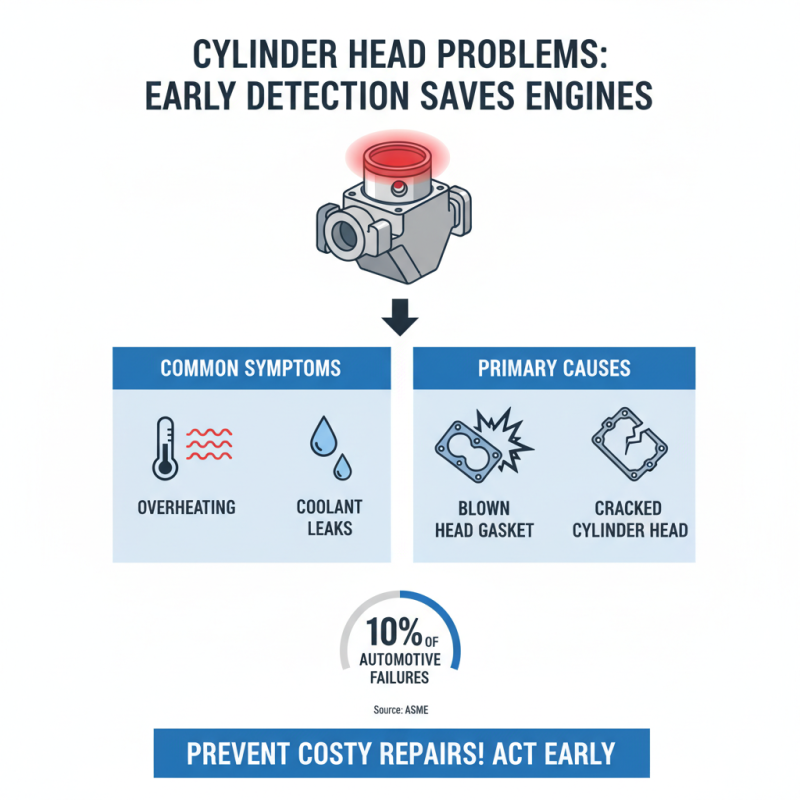
One major issue is warping. High temperatures can cause the engine cylinder head to warp, affecting sealing. Cracks can also develop, which is serious. Such failures often lead to coolant leaks or loss of engine power. Overheating, a significant concern, can exacerbate these problems. Owners might overlook minor symptoms, leading to costly repairs.
Without proper maintenance, these engine cylinder head issues will worsen. It’s essential to recognize signs early. Listening for unusual noises or monitoring temperature can help. Understanding these problems is vital for vehicle longevity. The risk of neglect cannot be overstated.
Common Engine Cylinder Head Issues Overview
Engine cylinder heads are crucial for vehicle performance. They play a vital role in sealing the combustion chamber. However, several common issues can arise. A prevalent problem is warping due to overheating. Excessive heat can distort the head, leading to leaks.
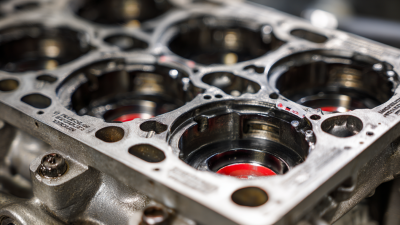
Cracks are another concern. They can develop from thermal stress or manufacturing flaws. Even small cracks can cause significant issues. Engine coolant may leak, resulting in more serious damage. A blown head gasket is also frequent. It can cause loss of compression, leading to poor engine performance.
Keeping an eye on engine temperature is essential. Regular checks can prevent overheating. Watch for signs of coolant leaks or oil mixing with coolant. These issues may seem minor but can escalate quickly. Addressing them early can save time and money. Understanding these common problems is crucial for maintaining engine health.
Top 10 Common Engine Cylinder Head Issues
Causes of Cylinder Head Failures
Engine cylinder heads are crucial for vehicle performance. When issues arise, they can lead to significant engine failures. Understanding the causes of these problems can help in prevention and maintenance.
Overheating is a common cause of cylinder head failure. When the engine runs hotter than normal, it can warp the head. This often leads to coolant leaks, which worsen the issue. Cracked heads can also occur due to thermal stress. If the temperature fluctuates drastically, the metal may not withstand it.
Another issue is poor maintenance. Neglecting oil changes can lead to sludge buildup. This prevents proper lubrication, which can damage the cylinder head over time. Additionally, using low-quality fuel can result in deposits forming. These deposits can block vital passages and restrict airflow, causing performance issues. Keeping an eye on engine temperature and maintaining regular service can greatly reduce these risks.
Diagnosis Techniques for Cylinder Head Issues
Diagnosing cylinder head issues can be tricky. Various symptoms may indicate problems. Pay attention to unusual sounds or engine performance drops. Overheating may also point to a failing head. Keep an eye on the coolant and oil levels. If you notice a mix, it’s a telltale sign of head gasket failure.
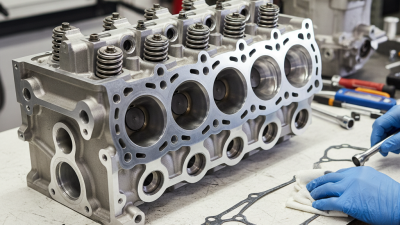
Visual inspections help a lot. Look for cracks or warping in the cylinder head. A straight edge can help see any imperfections. Compression tests provide valuable data. Low pressure often reveals underlying issues. Taking the time for these checks can save money later. Ignoring signs leads to costly repairs.
Don’t underestimate the importance of regular maintenance. Sometimes small flaws grow into major problems. Use diagnostic tools to catch issues early. Sensors can provide real-time data. They help you make informed decisions. Seek professional help when necessary. Not all problems are obvious. Being proactive is key to engine health.
Prevention and Maintenance Tips for Cylinder Heads
Engine cylinder heads play a crucial role in your vehicle's performance. Regular maintenance is key to preventing costly repairs. Check for oil leaks frequently. Leaks can lead to overheating and severe engine damage. Monitor coolant levels. Low coolant can signal a potential problem. If you notice changes, address them immediately.
Cleaning the cylinder head is essential. Accumulated debris can hinder function. Use appropriate cleaning solutions to avoid damage. Inspect the head gasket regularly. A faulty gasket can cause performance issues. Always replace worn gaskets during routine service.
Stay vigilant about engine temperature. An overheating engine can warp the cylinder head. Keep an eye on the warning lights. Over time, seals wear out. Replace them before they cause major leaks. Regular inspection can prevent headaches later. Learn from past mistakes; neglecting small issues often leads to larger problems.

 +86 13794985240
 CONTACT NUMBER
 CONTACT NUMBER