How to Choose the Best Fuel Control Valve for Your Needs?
Choosing the right fuel control valve is crucial for optimal performance. Dr. Emily Carter, an expert in fluid dynamics, states, "The efficiency of your system hinges on a reliable fuel control valve." This insight emphasizes the importance of making an informed choice.
A fuel control valve regulates the flow of fuel in various applications. Selecting the best one can be overwhelming. There are numerous types, each designed for specific needs. This complexity requires careful consideration of factors like flow rate, pressure, and compatibility with your system.
Manufacturers often claim their valves are the best. However, it’s essential to examine their track records, customer feedback, and certifications. Sometimes, even well-known brands can fall short of expectations. It’s vital to evaluate your unique situation and seek expert advice when necessary. The right decision can enhance efficiency and save costs in the long run.
Understanding Fuel Control Valves and Their Functions
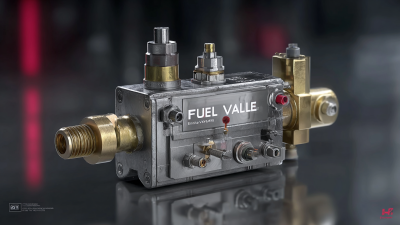
Fuel control valves are essential components in various applications, including vehicles and industrial machinery. They regulate the flow of fuel, ensuring efficiency and optimal performance. Understanding their functions is crucial for making informed decisions. These valves help maintain the desired fuel pressure and flow rate, which can greatly affect engine performance and fuel economy.
When selecting a fuel control valve, consider the application. Different systems require different valve types. For instance, some applications may need valves that can handle high pressures, while others require precision control over small flows. The materials used in these valves also play a role in their durability and effectiveness. It is important to choose a valve that can withstand the specific conditions of your environment.
It's not just about choosing a valve; it's about understanding its functions. A fuel control valve might malfunction due to various factors, including debris in the fuel system or incorrect installation. Regular maintenance and inspections can prevent these issues. Unfortunately, many overlook these details, leading to poor performance. Reflecting on past experiences may highlight the importance of thorough checks before installation.
Fuel Control Valves Functionality Comparison
Key Factors to Consider When Choosing a Fuel Control Valve
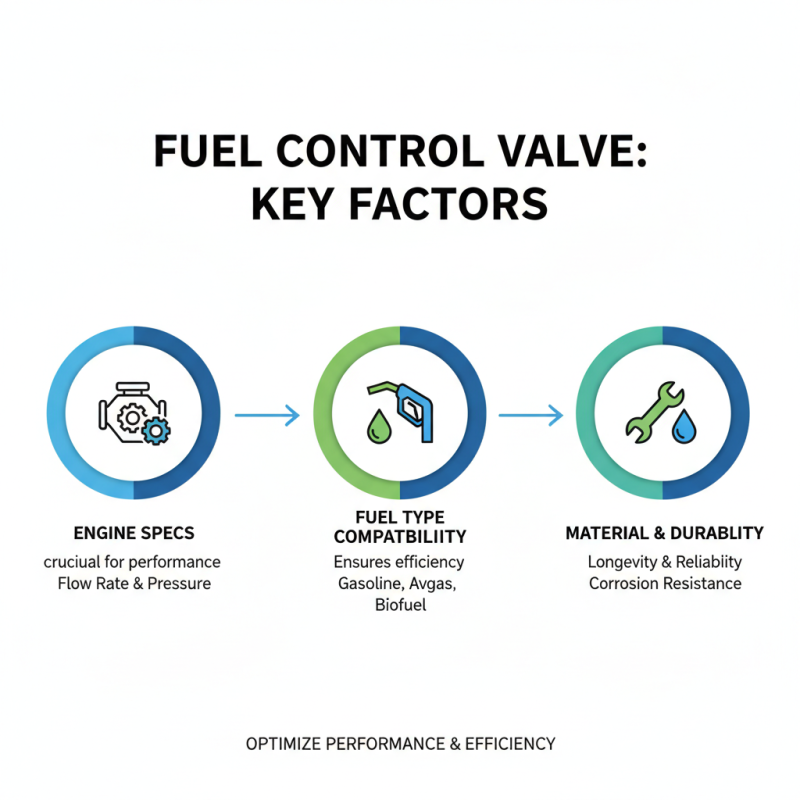
Choosing the right fuel control valve requires careful consideration of various factors. Understanding your engine's specifications is crucial. Evaluate the flow rate and pressure requirements as they directly influence performance. It's also essential to consider the valve's compatibility with different fuels. Some valves may not work well with certain fuel types, leading to inefficiency.
Durability is another factor to keep in mind. The best fuel control valves are made of high-quality materials that can withstand harsh conditions. Inspect the build quality. Look for signs of corrosion resistance and reliability. However, don't overlook maintenance needs. A durable valve should still be periodically checked for optimal functioning.
Cost can be a tricky aspect. While cheaper options may save money upfront, they might lead to higher maintenance costs in the long run. Reflect on your investment. Sometimes, spending a bit more initially offers better efficiency and longevity. Lastly, read reviews and seek expert advice to ensure informed decisions. This can save you from potential pitfalls and unsatisfactory performance.
Types of Fuel Control Valves and Their Applications
When selecting a fuel control valve, understanding the different types and their applications is crucial. There are several types available, including solenoid valves, mechanical valves, and electronic valves. Solenoid valves are popular for their reliability and ease of use. They operate through electromagnetic coils and provide on-off control. These valves are commonly used in various automotive applications.
Mechanical valves, on the other hand, require manual operation or pressure changes to function. They are often found in older engine designs. Their simplicity can be an advantage, but they may lack precision compared to other options. Electronic valves provide advanced functionalities, like precise flow control and automatic adjustments. These valves are increasingly used in modern vehicles, integrating with engine management systems.
Choosing the right valve involves assessing specific needs. Factors such as pressure requirements, flow rate, and the type of fuel being used dictate the best choice. Some users overlook compatibility with new technologies and systems. Always consider the long-term implications of your selection. It's essential to balance performance with reliability. The right valve can significantly impact efficiency and overall engine performance.
How to Choose the Best Fuel Control Valve for Your Needs? - Types of Fuel Control Valves and Their Applications
| Type of Fuel Control Valve |
Application |
Advantages |
Disadvantages |
| Electronic Fuel Control Valve |
Automotive fuel systems |
Precise fuel delivery, improved efficiency |
Higher cost, requires electrical connections |
| Mechanical Fuel Control Valve |
Industrial machinery |
Simplicity, reliability |
Less precise control, can wear out over time |
| Pressure Relief Valve |
Fuel storage tanks |
Prevents overpressure, safeguards system |
Limited to pressure applications |
| Flow Control Valve |
Marine engines |
Adjustable flow rates, flexibility |
Complex installation, may require adjustments |
| Solenoid Valve |
Heating systems |
Quick actuation, compact design |
Dependent on electrical operation |
Evaluating Performance and Compatibility of Fuel Control Valves
Choosing the right fuel control valve can greatly impact your equipment’s efficiency. Evaluating performance means looking at various factors that indicate how well a valve performs under pressure.
Consider the flow rate. A valve with an unsuitable flow rate can cause inefficiencies. Inspect the materials used in its construction. Compatibility with your fuel type is crucial to avoid corrosion.
Another key aspect is the pressure range. Valves must handle specific pressures to work effectively. Documented test results provide insights into performance.
They reveal how a valve reacts under different conditions. Look for detailed specifications. Understanding compatibility with your existing system ensures seamless integration.
Don't overlook the importance of installation and maintenance. A poorly installed valve can lead to performance issues. Some valves may require special tools for installation. Assess your team's expertise. Reflecting on your requirements can prevent future issues.
Prioritize a valve that aligns closely with your operational needs.
Installation and Maintenance Tips for Fuel Control Valves
When installing fuel control valves, proper procedures are crucial. According to industry reports, improper installation can lead to issues that affect performance and safety. Ensure that you clean all fittings and connections before installation. Debris can compromise seals and lead to leaks. The right installation tools are equally important. Using inadequate tools may lead to damage during the process.
Regular maintenance is key to optimal operation. Inspections should occur every six months, especially if the system is heavily used. Look for signs of wear or corrosion, as these can affect functionality. According to a recent study, mismanaged valves can cause efficiency drops of up to 30%. Cleaning components and checking for signs of wear can help extend valve life.
Consider using diagnostic tools for quick assessments. These tools can identify issues before they escalate. It’s also wise to review installation guidelines periodically. Not all environments are the same, and adjustments may be necessary. Over time, understanding your system and its needs will enhance reliability.

 +86 13794985240
 CONTACT NUMBER
 CONTACT NUMBER