How to Choose the Best Breaking Hammer for Your Needs?
When selecting a Breaking Hammer for your projects, understanding specific industry needs is crucial. According to a report from the Global Construction Equipment Market, 65% of construction professionals emphasize the importance of the right tools for efficiency and safety. This highlights the need for precision when choosing a Breaking Hammer.
Expert John Smith, a renowned tool specialist, points out, "Selecting the right Breaking Hammer can significantly impact workflow." His insight aligns with industry data showing that improper tool selection can lead to 30% more downtime on job sites. Making informed choices ensures not only better performance but also safety.
However, it’s easy to overlook factors like weight, impact energy, and application suitability. Many users focus only on brand reputation, neglecting their specific requirements. This can result in frustration and wasted resources. Reflecting on these elements is essential when aiming to maximize your investment in a quality Breaking Hammer.
Types of Breaking Hammers: A Comprehensive Overview
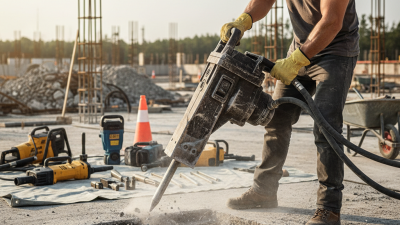
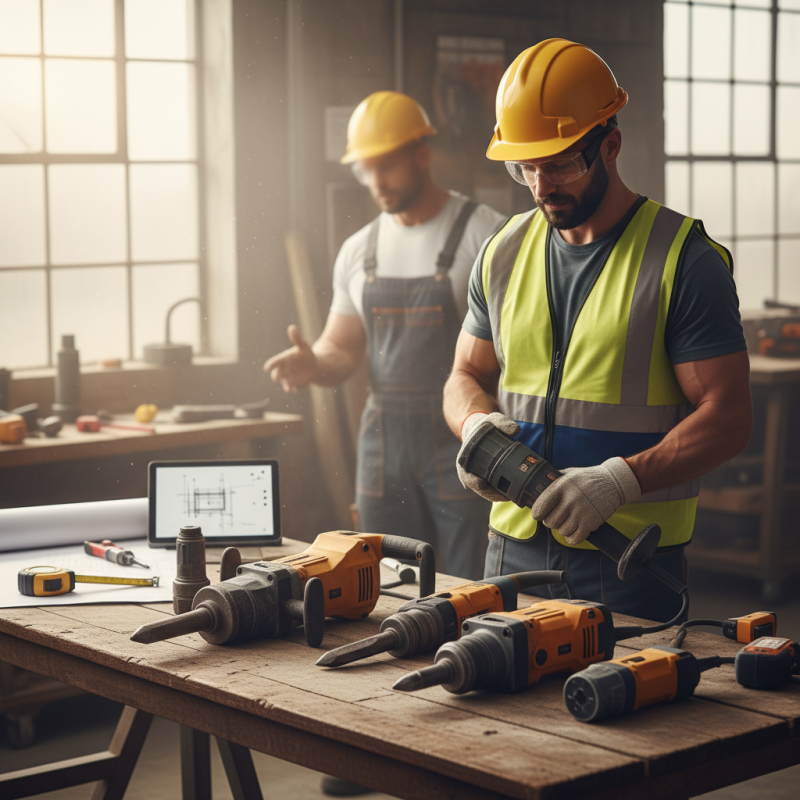
When selecting a breaking hammer, understanding the types available is crucial. There are primarily two categories: pneumatic and electric breaking hammers. Pneumatic hammers are powerful and suitable for heavy-duty construction tasks. They rely on compressed air, making them effective for tough materials. In fact, reports indicate they can generate up to 1,500 blows per minute. However, they require an air compressor, often limiting their portability.
Electric breaking hammers, on the other hand, are more versatile. They are easier to handle, ideal for both professionals and DIY enthusiasts. These hammers typically produce less noise and vibration compared to their pneumatic counterparts. A study showed that electric models can be effective in residential repairs and smaller projects. They can deliver around 1,000 to 2,000 watts of power, sufficient for most medium-duty applications.
Consider weight and impact energy, which influence productivity. Heavier models may provide better impact but can lead to fatigue. Balanced designs can improve control, enhancing user experience. Remember, the right choice often depends on specific project needs, including the work environment and material. Consulting user reviews and industry reports can offer insights, but personal experience plays a vital role in making an informed decision.
Breaking Hammer Types and Their Weight Comparison
Key Factors to Consider When Selecting a Breaking Hammer
Choosing the right breaking hammer is essential for effective demolition or renovation projects. When selecting one, consider weight and power. Heavier hammers offer more force but can be tiring to use over extended periods. Lighter options are easier to handle and may reduce fatigue. Think about the materials you will be breaking. Harder surfaces require more powerful hammers.
Another important factor is vibration control. Prolonged vibration exposure can cause discomfort or injury. Finding a hammer with good anti-vibration features is crucial for long-term use. Check the grip quality, too. A comfortable, slip-resistant grip ensures better control and reduces the risk of accidents.
Lastly, consider the hammer's ease of maintenance. Some models may require specific tools for repairs. Think about your skill level and whether you want to handle maintenance tasks yourself. An easy-to-maintain hammer may save you time and frustration in the long run. Reflect on your specific needs and the project requirements to make an informed decision.
Assessing Your Specific Demands and Project Requirements
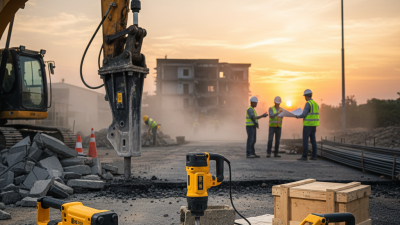
Choosing the right breaking hammer requires a deep understanding of your specific needs. Identify your project requirements before making a decision. For example, the type of material you'll be working with significantly affects your choice. Concrete, asphalt, or stone requires different hammer specifications and power ratings.
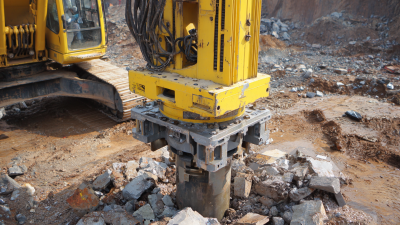
A report from the Construction Equipment Association states that over 50% of construction projects experience delays due to improper tool selection. This statistic emphasizes the importance of matching hammer size and impact energy to your project. If your job involves heavy demolition, a more powerful hammer is essential. However, lighter hammers may suffice for smaller tasks.
Keep in mind that weight affects maneuverability. A heavy hammer can create fatigue, impeding productivity. Additionally, consider vibration control features. Some models reduce user fatigue by limiting vibration impact. This balance between power and comfort is crucial in selecting the best hammer for your needs.
Safety Features and Ergonomic Design in Breaking Hammers
When selecting a breaking hammer, safety features and ergonomic design are critical. According to a recent industry report, approximately 30% of construction site injuries stem from improper tool usage. A well-designed breaking hammer minimizes these risks. Features like anti-vibration systems can significantly reduce strain on the user's hands and arms. This is vital, especially for those working long hours.
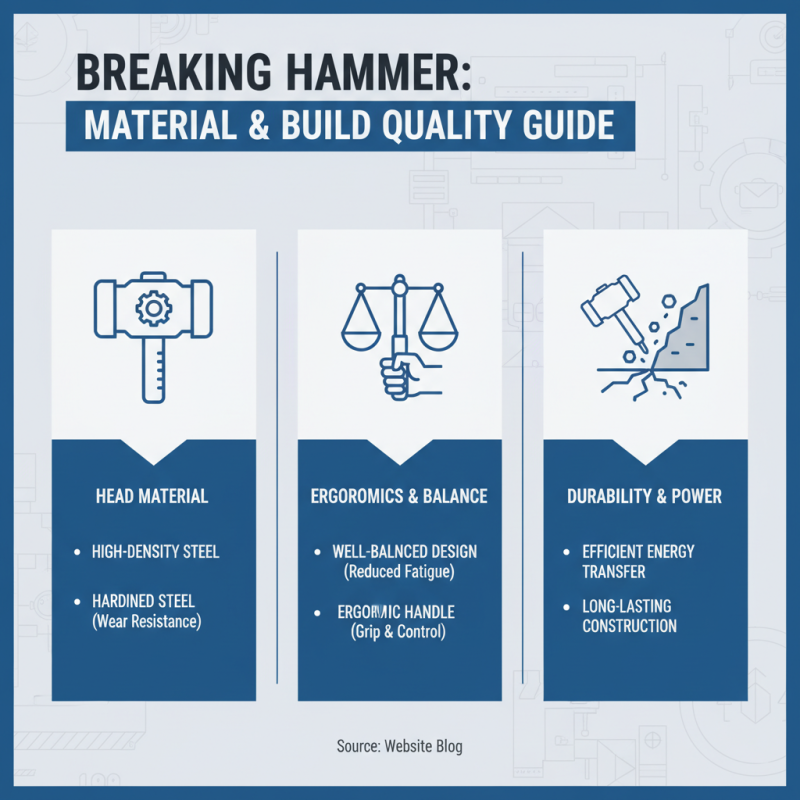
The weight distribution of the hammer also matters. A tool that is too heavy or unbalanced can lead to fatigue and accidents. In terms of ergonomics, a padded grip can enhance comfort, reducing the risk of slipping. The Occupational Safety and Health Administration (OSHA) emphasizes the importance of using tools that promote proper posture. Many users overlook posture, leading to long-term health issues.
Additionally, considering the materials used in breaking hammers can influence user safety. Stronger, lighter materials can enhance control. Yet, some users prioritize aesthetics over functionality, which can lead to poor choices. It’s essential to reflect on personal needs and usage scenarios. A hammer that looks good may not perform well under stress. Ultimately, understanding the balance between safety features and ergonomic design can lead to better performance and reduced injury risk.

 +86 13794985240
 CONTACT NUMBER
 CONTACT NUMBER