How to Choose the Right Fuel Control Valve for Your Vehicle Efficiency
Selecting the right Fuel Control Valve is crucial for optimizing vehicle efficiency and performance. According to a report by the International Energy Agency (IEA), the automotive sector has been significantly impacted by advancements in fuel technology, with the right components leading to a potential reduction in fuel consumption by up to 15%. The Fuel Control Valve plays an essential role in regulating fuel flow, ensuring that the engine operates at its best while minimizing waste.
Moreover, as more manufacturers focus on sustainability and emissions reduction, the demand for high-performance Fuel Control Valves has surged. A study by MarketsandMarkets indicates that the global automotive fuel system market is projected to reach $7.8 billion by 2026, illustrating a strong trend towards enhanced fuel efficiency technologies. This trend underscores the importance of selecting a Fuel Control Valve that aligns with specific vehicle manufacturing standards and performance expectations, ultimately contributing to long-term vehicle reliability and lower operational costs.
In an era where fuel efficiency not only affects economic performance but also environmental impact, the choice of a Fuel Control Valve becomes increasingly vital. By understanding the intricacies of these components, vehicle owners can make informed decisions that enhance both performance and efficiency, thus ensuring a more sustainable future for the automotive industry.
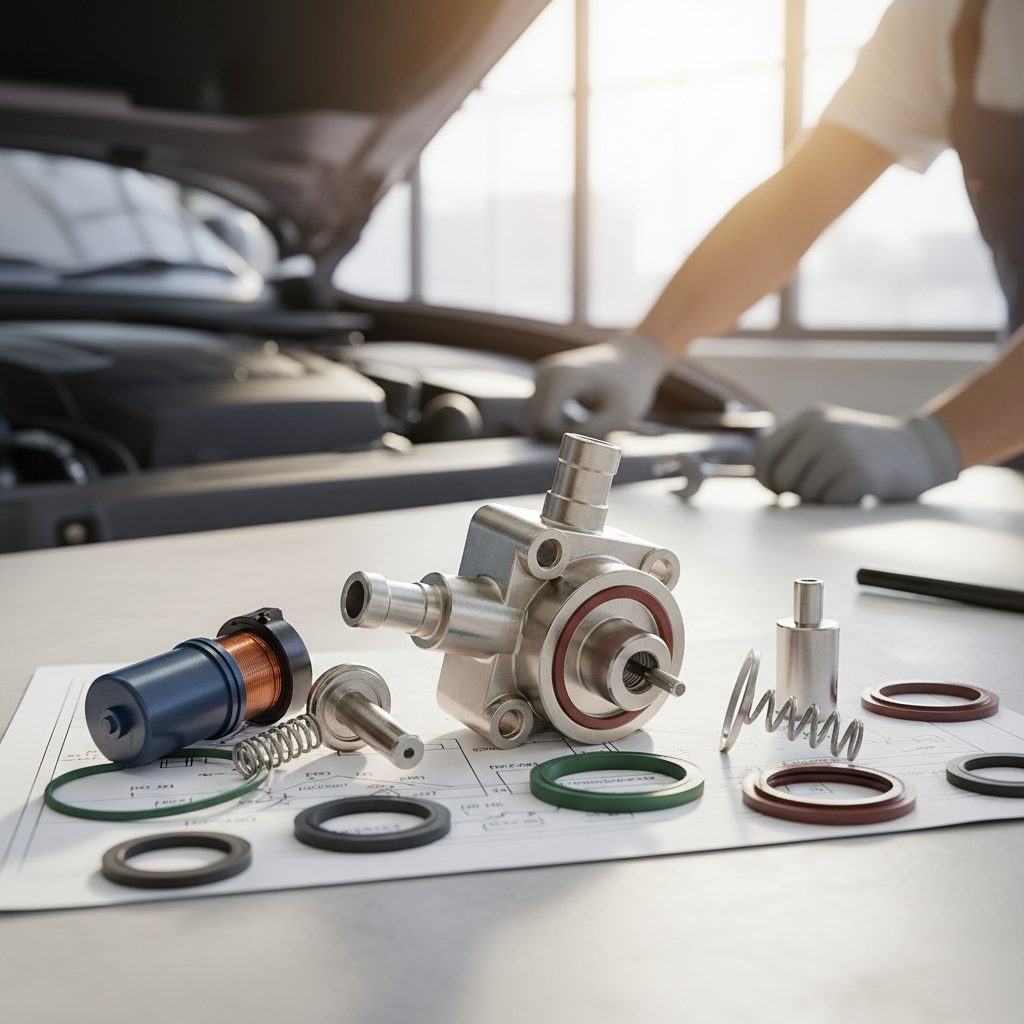
Understanding the Basics of Fuel Control Valves for Vehicle Efficiency
Fuel control valves play a crucial role in maintaining vehicle efficiency by regulating the flow of fuel to the engine. Understanding their basic functionality is essential for any vehicle owner looking to optimize performance. These valves manage the fuel-air mixture, ensuring that the engine receives the right amount of fuel for combustion. A well-functioning fuel control valve not only improves engine performance but also promotes fuel economy, leading to better overall efficiency.
When selecting a fuel control valve, it's important to consider factors such as compatibility with your vehicle, material quality, and the type of fuel you use. Tips for choosing the right valve include inspecting the valve's specifications to ensure they match your vehicle's requirements, checking customer reviews for reliability, and consulting with a professional mechanic if needed. Regular maintenance and timely replacement of worn-out valves can also contribute to enhanced vehicle efficiency.
In summary, understanding the basics of fuel control valves can significantly impact your vehicle's performance and efficiency. By making informed decisions and adhering to maintenance practices, you can ensure that your fuel control system operates optimally, ultimately leading to a smoother and more economical driving experience.
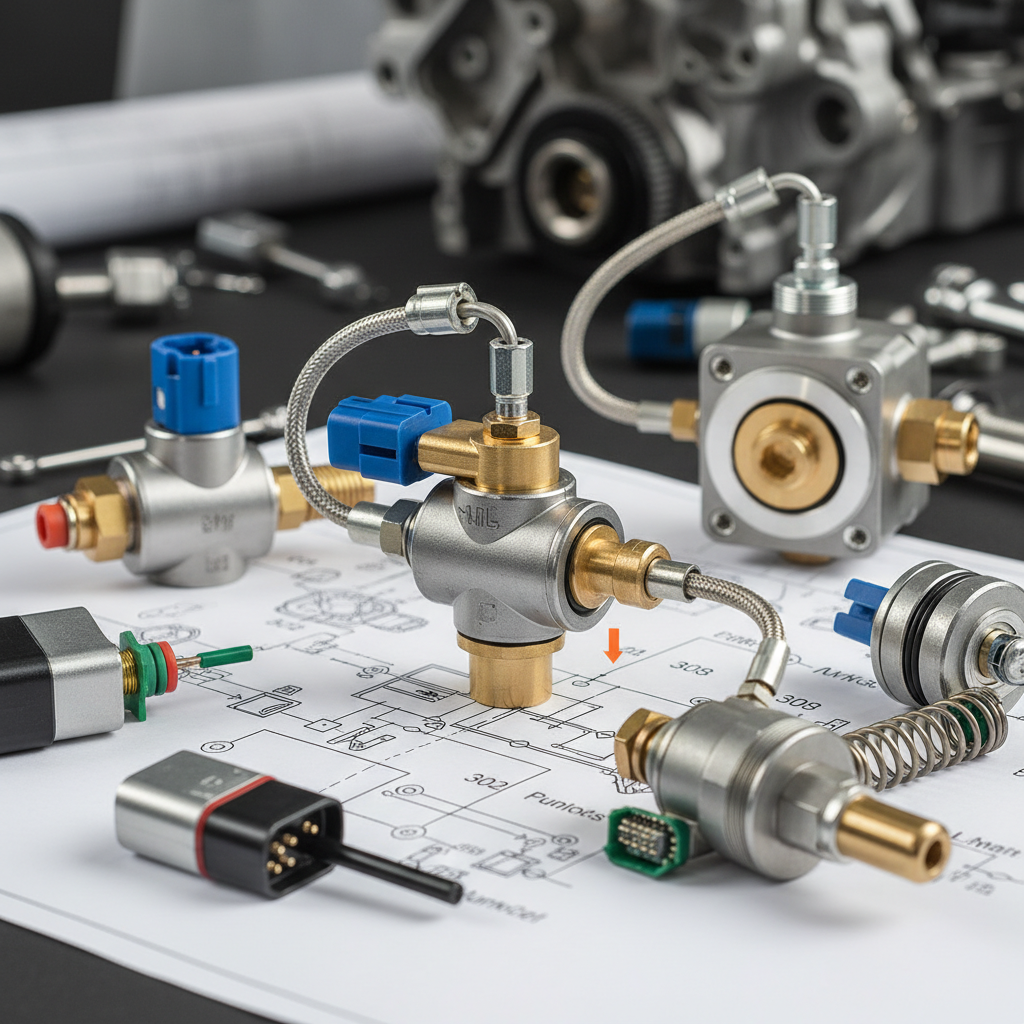
Key Features to Consider When Selecting a Fuel Control Valve
When selecting a fuel control valve for optimal vehicle efficiency, it is crucial to focus on several key features.
First and foremost, compatibility with your vehicle’s engine type is essential. Different engines may require specific valve configurations to ensure proper fuel delivery and efficiency.
Always check the manufacturer’s specifications to match the valve's design and functionality with your specific vehicle.
Another important feature to consider is the valve’s material construction.
High-quality valves are typically made from corrosion-resistant materials that can withstand the harsh conditions of fuel environments.
This durability not only extends the lifespan of the valve but also ensures consistent performance over time.
Additionally, examining the valve's flow rates is vital; it should provide the right balance between performance and efficiency, allowing your vehicle to operate smoothly while optimizing fuel consumption.
Lastly, consider the ease of installation and maintenance of the valve, as a user-friendly design can save time and costs in the long run.
Top Brands and Models of Fuel Control Valves for 2025
When it comes to enhancing vehicle efficiency in 2025, selecting the right fuel control valve is paramount. Numerous brands have been recognized in the industry for their innovative designs and reliable performance. Leading manufacturers like Bosch, Delphi, and Denso have released models that not only optimize fuel delivery but also improve overall engine efficiency. According to a recent report by the Society of Automotive Engineers (SAE), upgrading to a high-performance fuel control valve can lead to a fuel efficiency improvement of up to 15%, making it a wise investment for car owners looking to reduce operational costs and environmental impact.
When choosing a fuel control valve, consider the specific needs of your vehicle. Factors such as engine type, intended usage, and compatibility with existing systems are essential. Always look for valves that meet or exceed OEM specifications. Regular maintenance and timely replacement of the fuel control valve can prevent performance degradation and enhance longevity.
**Tips:**
- Prioritize brands with a solid track record in fuel management technology.
- Review the latest industry reports to compare efficiency claims.
- Consult with a certified mechanic to ensure proper installation and compatibility with your vehicle’s systems.
Fuel Control Valve Efficiency Comparison for 2025
Common Mistakes to Avoid When Choosing a Fuel Control Valve
When selecting a fuel control valve for optimal vehicle efficiency, it's crucial to avoid some common pitfalls that can lead to inefficiencies and additional costs. One of the most frequent mistakes is underestimating the importance of compatibility with your vehicle’s engine management system. A valve that does not align with the specific requirements of your engine can cause inconsistent fuel delivery, which adversely affects performance and fuel economy. Additionally, neglecting the specifications for pressure regulation can result in subpar performance, as modern systems demand precise control at varying pressures.
Another error is overlooking quality during the selection process. Budget options might seem appealing, but they often fail to provide the reliability and performance necessary for today's sophisticated fuel injection systems. High-quality valves are designed to work effectively with advanced electronic fuel injection (EFI) and engine control unit (ECU) technologies, which have evolved dramatically over the last couple of decades. Investing in a top-tier fuel control valve can ensure better efficiency and longevity, directly impacting your vehicle’s performance and maintenance costs.
How to Choose the Right Fuel Control Valve for Your Vehicle Efficiency - Common Mistakes to Avoid When Choosing a Fuel Control Valve
| Parameter |
Recommended Value |
Common Mistakes |
Impact on Efficiency |
| Flow Rate |
10-20 GPH |
Choosing too high or too low flow rates |
May cause engine starvation or flooding |
| Pressure Rating |
5-60 PSI |
Ignoring vehicle specifications |
Can lead to poor combustion and emissions |
| Temperature Rating |
-40°F to 250°F |
Overlooking environmental conditions |
Could cause valve failure |
| Material Compatibility |
Aluminum, Stainless Steel, Plastic |
Not considering fuel type |
Mismatched materials can corrode |
| Installation Type |
Inline or Direct |
Failing to check space restrictions |
May affect overall installation |
How Proper Installation and Maintenance Impact Fuel Control Valve Performance
When it comes to fuel control valves, proper installation and routine maintenance are crucial for optimizing vehicle efficiency. A well-installed fuel control valve ensures that the correct amount of fuel reaches the engine, preventing issues like fuel starvation or flooding. This can lead to better combustion efficiency, improved power output, and enhanced overall performance. Neglecting installation details can lead to leaks or damage, which ultimately hampers the fuel system's effectiveness.
Tips: Always consult the manufacturer’s guidelines during installation to ensure compatibility and correct setup. Regularly inspect the valve for signs of wear or malfunction, and replace any worn parts promptly to maintain optimal performance.
Maintenance should not be overlooked. Clean the valve periodically and check for blockages in the fuel lines. A poorly maintained fuel control valve can disrupt fuel flow and lead to engine performance issues. By staying proactive, you can avoid costly repairs and ensure your vehicle runs efficiently for years to come.
Tips: Use high-quality fuel injector cleaners regularly to keep the fuel flow unobstructed and improve fuel system health. Additionally, consider scheduling professional inspections to catch potential issues early.

 +86 13794985240
 CONTACT NUMBER
 CONTACT NUMBER