Why Choose an Electric Pump for Your Business Needs?
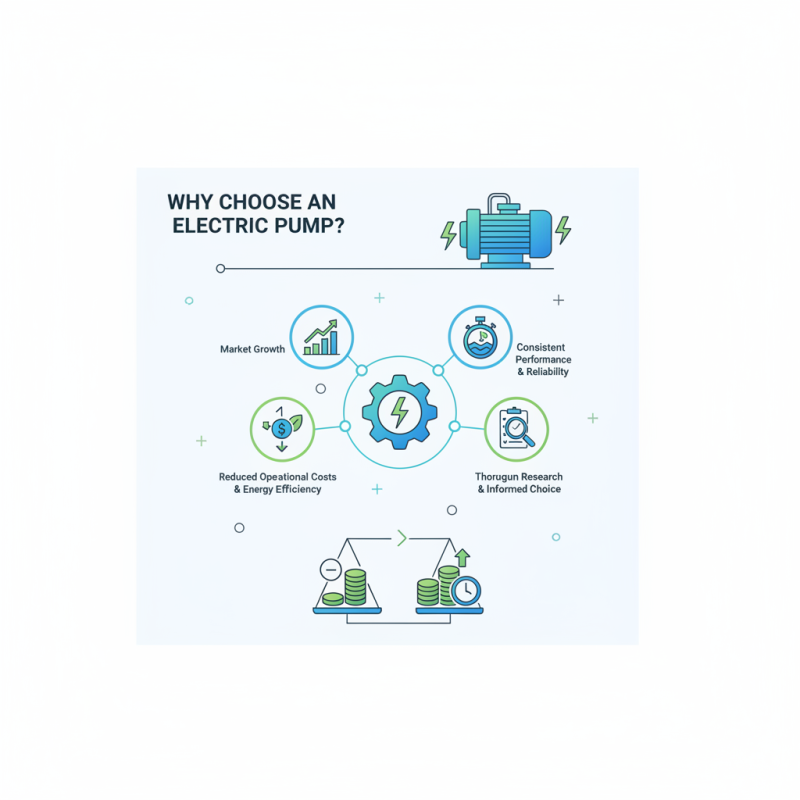
In today's fast-paced industrial environment, choosing the right equipment is crucial. An "Electric Pump" stands out as a reliable and efficient option for businesses. According to a recent report by the International Pump Industry, the global market for electric pumps is expected to reach $48 billion by 2027, growing at a CAGR of 4.5%. This growth highlights the increasing preference for electric pumps across various sectors.
Renowned industry expert Dr. Jane Smith emphasized, "Electric pumps enhance energy efficiency while reducing operational costs." This statement underscores the importance of electric pumps in improving profitability for businesses. Their ability to deliver consistent performance while minimizing energy consumption is a key advantage. Despite this, many businesses still overlook the profound impact that electric pumps can have on their operational efficiency.
Investment in electric pump technology is essential for staying competitive. However, it's vital for businesses to conduct thorough research. Some companies still underestimate the long-term benefits of these systems. Understanding the nuances of electric pumps can lead to better choices. Ultimately, businesses should weigh the immediate costs against future savings and reliability.
Benefits of Electric Pumps for Commercial Applications
Electric pumps are increasingly popular for commercial applications. One significant advantage is their energy efficiency. They consume less power compared to mechanical pumps. This results in lower operational costs. Businesses can save on electricity bills while maintaining high productivity.
Maintenance is another key benefit. Electric pumps generally require less upkeep. They have fewer moving parts than traditional pumps. This leads to reduced wear and tear. Businesses can experience fewer downtime issues, keeping operations smooth. However, it’s important to monitor performance regularly. Even electric pumps can face problems if neglected.
Durability also plays a role in their appeal. Electric pumps often last longer than other types, provided they are properly maintained. They are designed to handle various commercial tasks, from water transfer to fluid circulation. The versatility is impressive. Still, choosing the right pump for specific needs is crucial. It requires careful consideration of factors like flow rates and pressure. Making the right choice can enhance efficiency, but mistakes can be costly.
Why Choose an Electric Pump for Your Business Needs? - Benefits of Electric Pumps for Commercial Applications
| Feature |
Description |
Advantages |
| Energy Efficiency |
Electric pumps consume less energy compared to traditional gas pumps. |
Lower operating costs and reduced carbon footprint. |
| Low Maintenance |
Fewer moving parts result in less wear and tear. |
Reduced downtime and lower maintenance expenses. |
| Quiet Operation |
Electric pumps operate much more quietly than their gas counterparts. |
Improves workplace environment and reduces noise pollution. |
| Versatility |
Can be used for a variety of applications including water, chemicals, and food products. |
Adaptable to multiple industries and requirements. |
| Safety |
Lower risk of fire hazards as there is no fuel involved. |
Enhanced workplace safety and compliance with regulations. |
Comparative Analysis: Electric Pumps vs. Traditional Pumps
When it comes to pumps, the choice between electric and traditional models can significantly impact operations. Electric pumps are known for their efficiency. They offer lower energy consumption than their traditional counterparts. This efficiency translates into reduced operational costs. Additionally, electric pumps usually require less maintenance. Fewer moving parts mean less wear and tear over time.
In contrast, traditional pumps often rely on fuel or manual operation. While they may be more familiar to some, they pose several disadvantages. For instance, reliance on fuel can lead to increased overhead costs. Furthermore, traditional pumps can be less environmentally friendly. Emissions from these pumps contribute to air pollution. It’s important to weigh these factors when making a decision.
There are situations where traditional pumps might outperform electric models. For example, in remote areas without reliable electricity, traditional pumps may be more practical. However, the long-term benefits of electric pumps often outweigh these drawbacks. Operations need to evolve with technology to enhance efficiency and sustainability. Awareness of these nuances can be crucial for businesses aiming to thrive.
Cost-Effectiveness of Electric Pumps in Business Operations
Electric pumps offer significant cost-effectiveness for businesses. According to a report by the U.S. Department of Energy, electric pumps can reduce energy costs by up to 50% compared to their gas counterparts. This is crucial as energy expenses often represent a large portion of operational budgets. Additionally, installation and maintenance costs for electric pumps tend to be lower. With fewer moving parts, they generally require less frequent repairs.
Another aspect to consider is efficiency. Research shows that electric pumps have an average efficiency rate of over 85%. This means they convert more of their energy into useful work. Businesses can expect lower utility bills, which can lead to substantial savings over time. However, companies must also think about the initial investment. Electric pumps can be pricier upfront, and this might deter small business owners. It's worth weighing long-term savings against initial costs.
Many industries are also shifting towards sustainability. Electric pumps have a lower carbon footprint, aligning with green initiatives. According to the International Energy Agency, the global market for electric pumps is projected to grow by 5% annually. This indicates a strong trend toward electrification in various sectors. Businesses adopting electric pumps may improve not only their bottom line but also their environmental impact.
Cost-Effectiveness of Electric Pumps in Business Operations
Environmental Impact and Sustainability of Electric Pumps
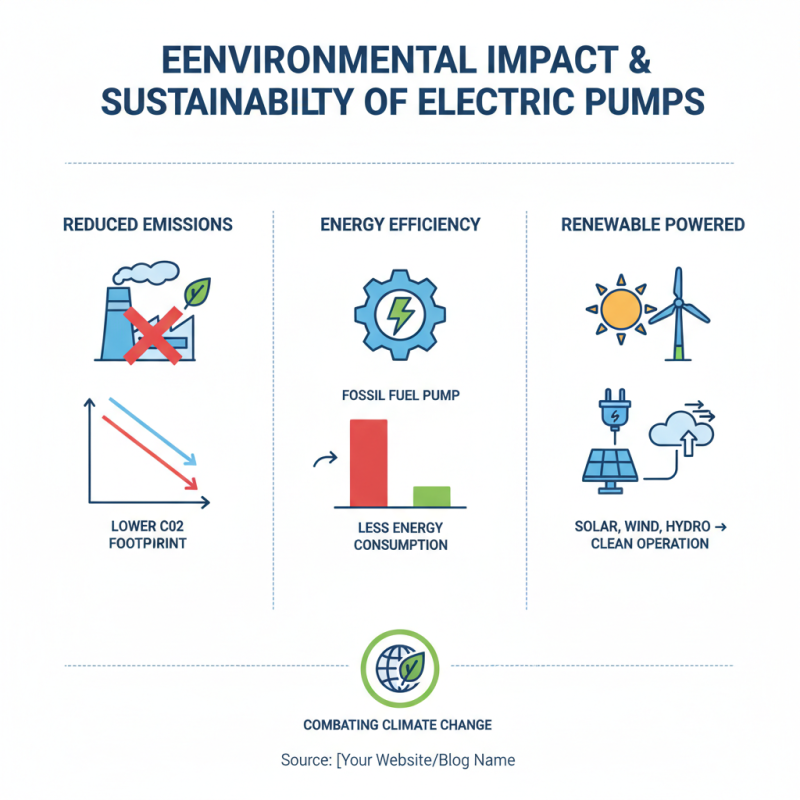
Electric pumps play a crucial role in promoting sustainability within various industries. Their design minimizes energy consumption and reduces carbon emissions. By operating on electricity, they often replace fossil fuel-powered pumps. This shift is significant in combating climate change. However, the green energy source used to power these pumps is vital. Renewable sources like solar or wind make electric pumps even more effective in reducing environmental impact.
Additionally, electric pumps often have a longer lifespan than traditional pumps. They require less maintenance, which can lead to reduced waste over time. The materials used in their construction can also be more environmentally friendly. Yet, the production process of some electric pumps may still pose challenges. Manufacturers must continuously improve their processes to ensure lower ecological footprints.
The transition to electric pumps is not without hurdles. The initial investment can be higher compared to conventional options. However, the long-term savings and environmental benefits often outweigh these costs. It's essential to consider the entire lifecycle of the pump—from production and usage to disposal. Continued innovation and research in this area are necessary for a more sustainable future.
Maintenance and Reliability of Electric Pumps for Long-Term Use
Electric pumps are increasingly favored in various industries due to their maintenance and reliability. Choosing an electric pump means investing in a precise and efficient system. Proper maintenance can greatly extend its lifespan and performance. Regular checks on seals, filters, and electrical connections can prevent costly downtimes. However, many overlook these routine tasks, risking unexpected failures.
Reliability is crucial for business operations. Electric pumps often have fewer moving parts than their mechanical counterparts. This can result in lower wear and tear over time. Nonetheless, some users may experience issues if they neglect to follow proper care protocols. Keeping a close eye on energy consumption can also indicate a pump’s health. A spike in usage may signal an underlying problem that needs attention.
Electric pumps provide a consistent performance with proper upkeep. They have a reputation for reliability when used correctly. However, minor issues can escalate without attention. It's key to create a maintenance schedule that addresses common concerns. Understanding how to maintain your electric pump can significantly impact your operations. By prioritizing care, businesses can harness the full potential of electric pumps.

 +86 13794985240
 CONTACT NUMBER
 CONTACT NUMBER