Why Choose Bucket Cylinder for Your Industrial Needs?
Choosing the right equipment for industrial applications is crucial. One option that stands out is the Bucket Cylinder. This versatile component offers several advantages in various industries. Its design allows for efficient movement and lifting of heavy loads, making it ideal for construction and manufacturing.
Bucket Cylinders are known for their reliability and durability. They can withstand harsh conditions and heavy usage. Their robustness ensures that operations run smoothly. However, selecting the right Bucket Cylinder requires understanding specific needs and applications. It’s essential to evaluate factors like load capacity and environmental conditions.
There is a learning curve in using Bucket Cylinders effectively. Some may underestimate their impact on productivity. Others might face challenges in installation or maintenance. Reflecting on these aspects can lead to better performance. Therefore, it’s vital to consider expertise when choosing Bucket Cylinders for any project.
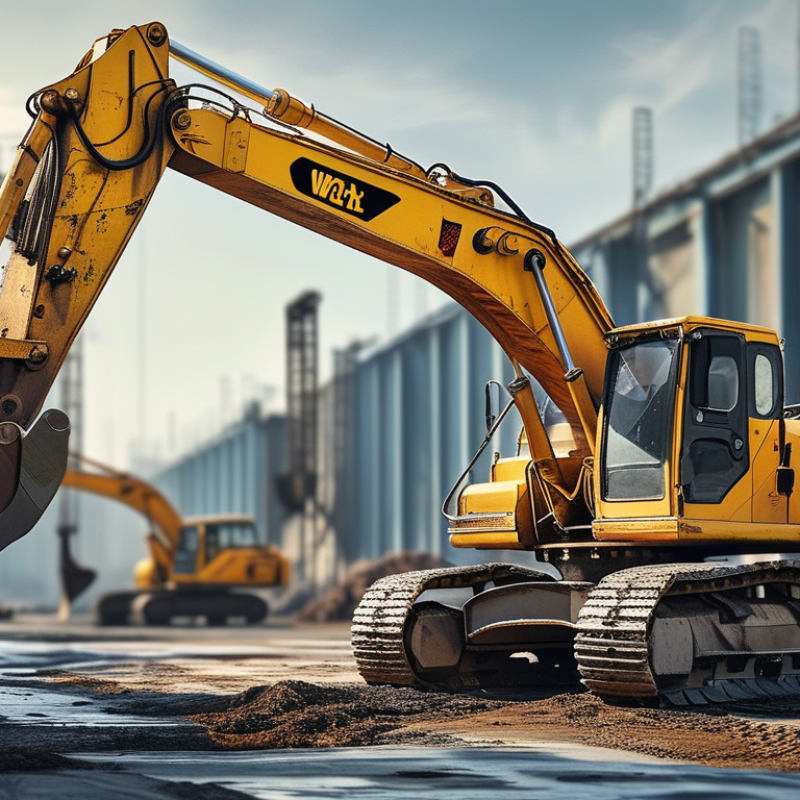
Benefits of Using Bucket Cylinders in Industrial Applications
Bucket cylinders are gaining recognition in various industrial applications. Their design offers numerous benefits that enhance productivity and safety. With a compact profile, these cylinders are ideal for tight spaces. They can efficiently lift heavy materials, making them invaluable in manufacturing and construction.
One notable advantage is their versatility. Bucket cylinders handle various tasks, such as lifting, pushing, and pulling. This multifunctionality reduces the need for multiple machines. Moreover, their ability to maintain high pressure ensures consistent performance. This is crucial for industries that require reliability.
However, it's essential to reflect on their limitations. Regular maintenance is vital to prevent wear and tear. Neglecting this can lead to costly downtimes. Additionally, proper training for operators is necessary. Misuse can result in accidents. Emphasizing these points helps businesses maximize the potential of bucket cylinders while ensuring safety in the workplace.
Benefits of Using Bucket Cylinders in Industrial Applications
Key Features of Bucket Cylinders for Enhanced Performance
Bucket cylinders are essential for various industrial applications. Their design allows for the efficient handling of heavy materials. This capability boosts productivity and reduces operational costs. The unique shape of bucket cylinders facilitates better load distribution. This reduces wear on equipment and enhances longevity.
One notable feature is their versatility. Bucket cylinders can operate in tight spaces, making them suitable for diverse environments. Their ability to provide controlled and precise movements is crucial in industries like construction and waste management. Enhanced seals and superior materials in modern bucket cylinders improve reliability. They can withstand challenging conditions while maintaining optimal performance.
However, it is important to consider the specific needs of your operation. Not all bucket cylinders are created equal. Some applications may require customization. Assessing the load capacity and stroke length before selection is critical. Miscalculating these factors may lead to inefficiencies or equipment failure. Engaging with industry experts can guide you in making informed decisions. Their insights help in identifying the best fit for your unique requirements.
Comparative Analysis: Bucket Cylinders vs. Traditional Cylinders
When evaluating bucket cylinders versus traditional cylinders, it's important to consider their design and functionality. Bucket cylinders are specifically designed for applications that require increased lifting capacity and more efficient force distribution. Their unique shape allows them to carry loads more effectively than traditional cylinders, which can lead to better performance in heavy-duty tasks. Often, industries such as construction and mining favor bucket cylinders for their ability to handle tough conditions without compromising safety.
However, traditional cylinders still have their advantages. They are typically lighter and easier to install in various setups. In many applications, their versatility and compact design can be advantageous. Yet, when faced with extreme workloads, traditional cylinders may struggle to match the durability and stability of bucket cylinders. This raises questions about their long-term viability in demanding environments. Users should weigh these considerations carefully, particularly when making significant investments in machinery.
In discussions about efficiency, reliability often comes into play. Bucket cylinders can provide notable power, but they may require more rigorous maintenance. It’s essential to reflect on the total cost of ownership and the potential downtime needed for repairs. Ultimately, both cylinder types have their merits, but the right choice depends on specific industrial needs and project requirements.
Applications of Bucket Cylinders in Various Industries
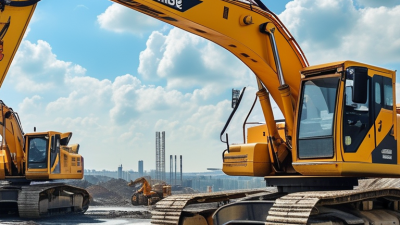
Bucket cylinders play a vital role in various industries, where their unique design offers reliable performance. In construction, these cylinders are essential for handling heavy materials. They support equipment like excavators and loaders, facilitating efficient operations. A report from the International Federation of Robotics found that the construction sector’s automation is expected to grow by 25% by 2025. This growth necessitates robust solutions like bucket cylinders.
In the agriculture sector, bucket cylinders enhance productivity. They are commonly used in tractors for lifting soil and transporting crops. The USDA reported that effective machinery can increase crop yields by up to 30%. This statistic highlights the importance of reliable equipment in agriculture. However, some challenges persist, such as the need for regular maintenance to avoid hydraulic failures.
Additionally, in waste management, bucket cylinders are used in compactors and shredders. Their ability to manage heavy loads ensures waste is processed efficiently. The waste management industry is projected to grow by 6% annually, underscoring the need for robust hydraulic systems. Operators must balance efficiency with reliability. Regular assessments are crucial to identify potential issues that could disrupt operations.
Maintenance Tips for Optimal Performance of Bucket Cylinders
Maintaining bucket cylinders is crucial for their longevity and performance. Regular inspections are key. Look for leaks, wear, and damage. Pay attention to seals and connections. A simple visual check can save you from bigger issues later on. It’s easy to overlook these checks, but consistency is essential.
Proper lubrication is also vital. Use the recommended fluids to keep the components moving smoothly. Too little lubrication can lead to friction and wear. On the other hand, over-lubrication can attract contaminants, causing even more problems. Finding the right balance requires attention.
Cleaning the cylinder is often neglected. Dust and debris can degrade performance. Clean the exterior regularly, and ensure that the cylinder rod is free from grime. These small efforts can greatly extend the life of your equipment. Monitoring performance can reveal underlying problems. If something feels off, don’t ignore it. Listening to your equipment is as important as regular maintenance.
Why Choose Bucket Cylinder for Your Industrial Needs? - Maintenance Tips for Optimal Performance of Bucket Cylinders
| Maintenance Tips |
Frequency |
Benefits |
| Inspect for leaks |
Monthly |
Prevents fluid loss and ensures efficiency |
| Check and replace seals |
Every 6 months |
Maintains pressure and prevents contamination |
| Clean the cylinder |
Monthly |
Enhances performance and longevity |
| Lubricate moving parts |
Quarterly |
Reduces wear and tear |
| Check hydraulic fluid levels |
Weekly |
Ensures proper operation and efficiency |

 +86 13794985240
 CONTACT NUMBER
 CONTACT NUMBER