Bucket Teeth Tips for Choosing the Right Type?
Choosing the right bucket teeth can significantly impact your project efficiency and equipment performance. According to industry expert Tony Jenkins, "The wrong bucket teeth can waste time and resources." His insight highlights the importance of making informed choices.
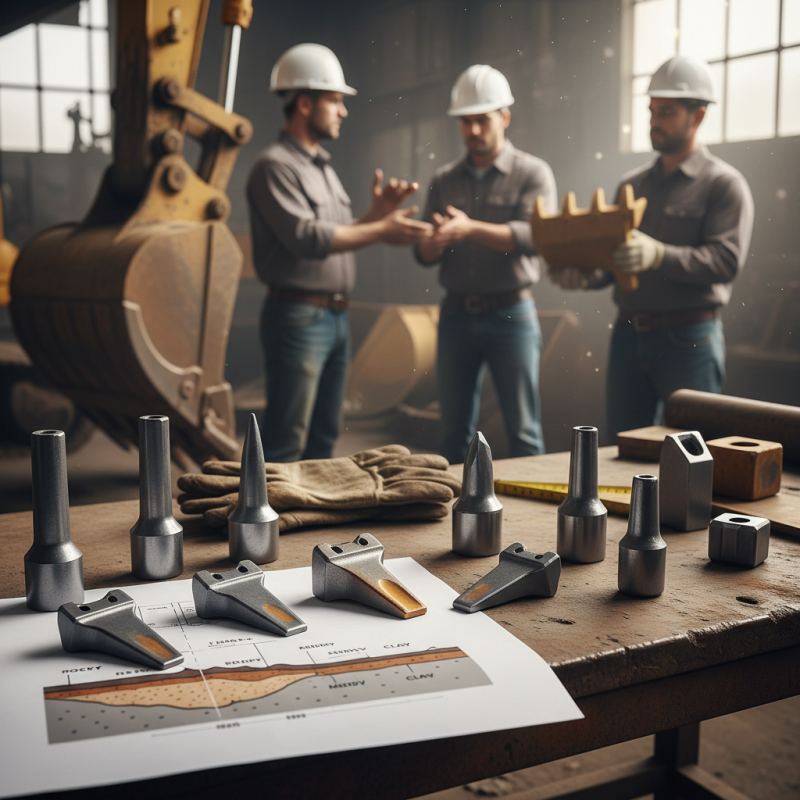
Bucket teeth come in various shapes and sizes. Each type serves a specific purpose. For instance, a general-purpose tooth works well in diverse situations. However, some jobs require specialized teeth for optimal performance. Choosing the wrong type might lead to quick wear or ineffective digging.
Understanding the application is crucial. Wet, muddy environments need different teeth than rocky terrain. Sometimes, people overlook these details and face costly repairs later. Pay attention to your working conditions and project needs. Ultimately, the right bucket teeth can enhance performance while minimizing downtime.
Understanding Different Types of Bucket Teeth for Heavy Equipment
Choosing the right bucket teeth is crucial for heavy equipment performance. Different types are designed for specific tasks. For instance, a general-purpose tooth works well in loose materials. However, it may struggle with harder surfaces. Studies show that using the correct bucket tooth can improve productivity by up to 30%.
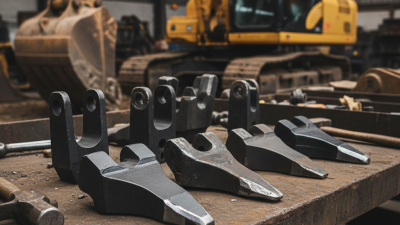
There are various types of bucket teeth. For heavy excavation, penetration tips are favored. They allow for easier digging in rocky soil. Yet, they may wear down quicker than others. On the other hand, flat teeth are more durable. Their design suits heavy-duty tasks but can limit digging efficiency. Balancing durability and efficiency is essential to avoid costly replacements.
Not every machine will benefit from the same type of tooth. Factors like soil type, moisture levels, and load weight play a role. Ignoring these variables can lead to underperformance. It’s important to reassess your choices periodically. Keeping track of wear and tear can prevent mishaps and enhance overall effectiveness.
Factors to Consider When Choosing Bucket Teeth for Your Project
When selecting bucket teeth for your project, several factors come into play. The type of material is crucial. Most teeth are made from alloy steel or tungsten carbide. In harsh conditions, tungsten carbide teeth provide superior durability and wear resistance. They last longer, reducing downtime and maintenance costs, which can exceed 20% of a project budget.
Another vital aspect is the tooth shape. The geometry affects digging efficiency. For example, a wide, flat design is ideal for soft soil. Conversely, pointed teeth excel in rocky terrains. According to industry reports, using the right tooth shape can improve productivity by 15% to 30%.
Tip: Always consider the specific application. Testing different types may be necessary to find the best fit.
Undoubtedly, weight is another important consideration. Heavier teeth can withstand greater pressure but may affect the machinery's overall performance. Balancing these factors is essential. In some cases, lighter teeth lead to better fuel efficiency.
Tip: Regularly evaluate wear patterns. This data helps in adjusting your choice for future projects. It’s an easy step that often gets overlooked. The right decisions today can save costs tomorrow.
The Importance of Material Selection for Bucket Teeth Durability
Choosing the right bucket teeth involves understanding the significance of material selection. The durability of bucket teeth can significantly impact operational efficiency. Tough materials often withstand abrasive conditions better. However, they might be more expensive upfront.
Consider the specific application of the bucket teeth. Are they used in rocky terrains? Or perhaps in softer soils? These factors dictate the type of material to choose. Harder materials provide longevity but may be less flexible. On the other hand, softer options can break down faster under stress but offer flexibility in usage.
It's essential to evaluate the trade-offs. Investing in high-quality materials is crucial for long-term performance. But, it's not always straightforward. Sometimes, a less expensive option may offer better results for some operations. It's a reminder to reflect on choices and consider long-term impacts. Make decisions based on real-world scenarios, not just specs.
Bucket Teeth Durability Comparison
Matching Bucket Teeth Design to Specific Applications and Soil Types
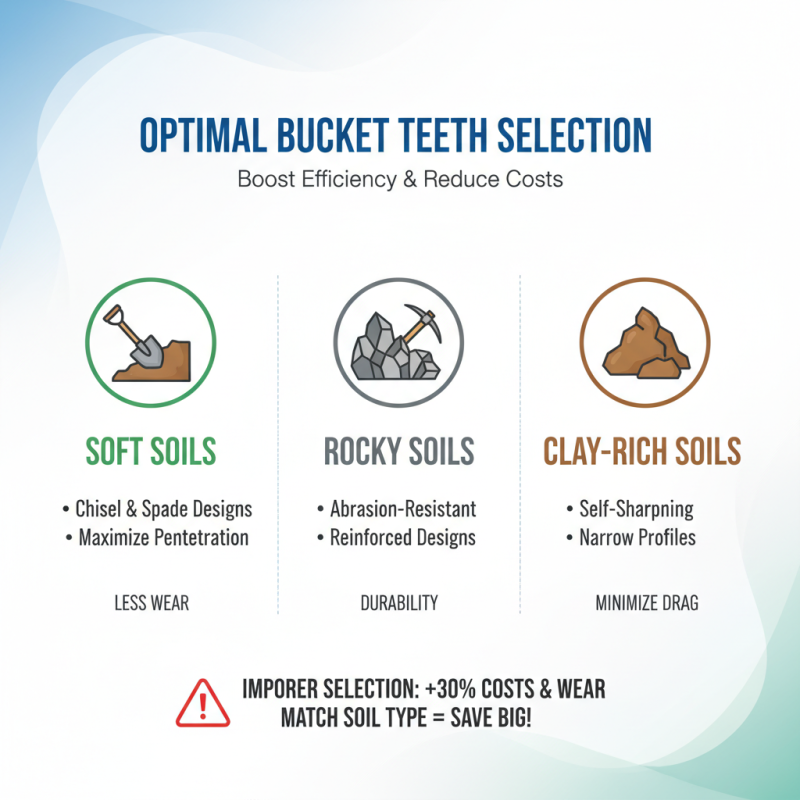
Choosing the appropriate bucket teeth is crucial for specific applications. Understanding the soil type is essential for maximizing efficiency. For instance, softer soils may require different designs than rocky or clay-rich environments. Research indicates that improper selection can lead to increased wear and operational costs by up to 30%.
When matching bucket teeth to applications, consider the design features. For lighter, sandy soils, select teeth with a flatter profile. This helps distribute forces evenly, reducing wear. Conversely, for tougher, rocky terrains, opt for pointed or sharp teeth that can penetrate harder surfaces more effectively. Always analyze soil conditions before making a choice.
**Tip:** Always assess the type of machinery being used. The teeth must fit the bucket's design for efficient performance.
Be cautious about common mistakes during selection. Many operators overlook the importance of wear resistance, which can impact longevity significantly. Regularly monitor the effectiveness of your chosen teeth in varied conditions to adapt to changing site requirements. Keep in mind that continuous evaluation can lead to better decision-making in future projects.
Maintenance Tips for Prolonging the Life of Your Bucket Teeth
Proper maintenance of bucket teeth is essential for their longevity. Regular inspections help identify wear and tear. Look for cracks or chips that could affect performance. Keeping teeth clean extends their life. Mud and debris can cause premature wear. A simple wash after use can make a difference.
Greasing the pins and bushings is often overlooked. This simple task reduces friction and prevents premature damage. Check the tightness of all bolts as well. Loose parts can lead to costly repairs.
Furthermore, storage conditions matter too. Storing bucket teeth in a dry and sheltered area prevents corrosion. Even a slight rust can weaken the structure. Consider protective coatings if exposure is frequent. Remember, the small details impact overall performance. Ignoring them can lead to bigger problems later.

 +86 13794985240
 CONTACT NUMBER
 CONTACT NUMBER