Best Fuel Control Valve Options for Global Buyers?
In the competitive landscape of industrial applications, selecting the right Fuel Control Valve is crucial. This component plays a vital role in managing fuel flow and optimizing performance. According to a recent market report by MarketsandMarkets, the global fuel control valve market is projected to reach USD 5.7 billion by 2026, growing at a CAGR of 6.1%. This growth underscores the increasing demand for efficient fuel management systems.
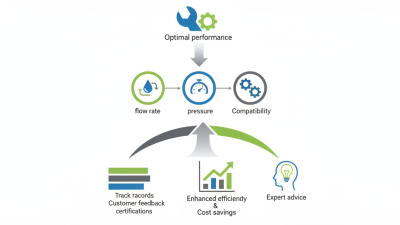
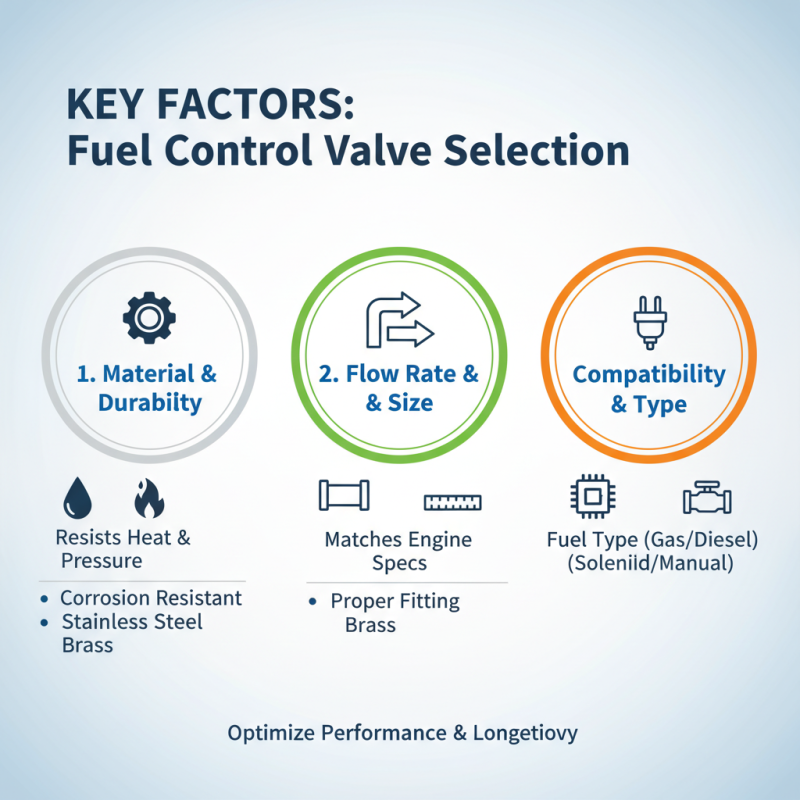
Fuel Control Valves help improve efficiency and comply with stringent environmental regulations. However, choosing a suitable valve can be challenging. Factors like flow rate, pressure drop, and compatibility with various fuels must be considered. Many buyers tend to overlook the long-term benefits of investing in high-quality valves. While cost is a primary concern, durability and reliability often yield greater savings over time.
It's essential to note that not all Fuel Control Valves are created equal. Variability in design and functionality can lead to inefficiencies. This reality calls for a more thoughtful selection process. Understanding the specific needs of each application is paramount. The right choice can lead to enhanced operational efficiency and significant cost reductions.
Understanding Fuel Control Valves and Their Importance
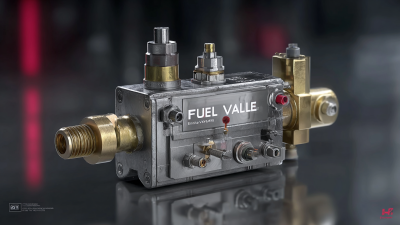
Fuel control valves are crucial for regulating fuel flow in various systems. They optimize engine performance, enhance efficiency, and minimize emissions. Understanding how these valves operate can improve decision-making for global buyers. Proper selection can lead to better fuel efficiency and cost savings.
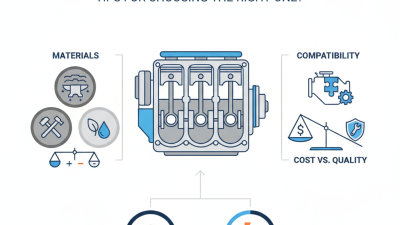
When choosing a fuel control valve, consider its materials and compatibility with different fuel types. Many valves operate under specific temperature and pressure conditions. Researching technical specifications helps ensure you select a durable option for your needs.
Tips: Always check for certifications and standards compliance. This ensures reliability and performance. Additionally, consider consulting with industry experts to gain insights into the best practices. Knowing the intricacies of valve installation can prevent costly mistakes. Valves might require regular maintenance, which can be overlooked. Staying proactive with maintenance will extend their lifespan and improve overall performance.
Best Fuel Control Valve Options for Global Buyers
This chart illustrates the key features of fuel control valves. The ratings reflect their efficiency, durability, cost, replacement frequency, and maintenance needs. Understanding these aspects helps global buyers make informed decisions in selecting the best fuel control valve options.
Overview of Top Brands in the Fuel Control Valve Market
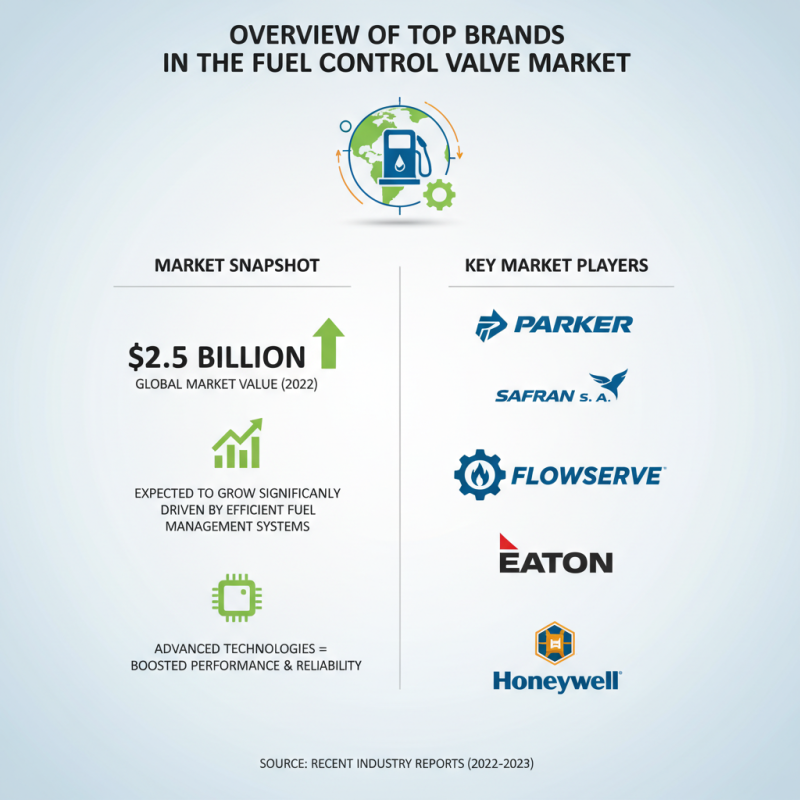
The fuel control valve market is highly competitive and diverse. According to recent industry reports, the global fuel control valve market was valued at approximately $2.5 billion in 2022. This figure is expected to grow significantly due to increasing demand for efficient fuel management systems. Companies are investing in advanced technologies to boost performance and reliability.
Leading brands focus on innovation to stay relevant. For instance, many manufacturers prioritize the use of high-quality materials to enhance durability. Reports indicate that valves made with stainless steel can improve lifespan significantly. However, not all products meet the stringent requirements for quality. Consumers often face challenges in distinguishing between reliable options and inferior products.
Regional variations also play a crucial role in market dynamics. North America and Europe account for a large market share, driven by stringent emissions regulations. In contrast, the Asia-Pacific region shows rapid growth, fueled by industrial expansion. Nonetheless, this growth can lead to inconsistencies in product quality, raising concerns among buyers. It highlights the importance of thorough research when selecting fuel control valves.
Comparative Analysis of Fuel Control Valve Features and Prices
When considering fuel control valves, understanding different features and prices is essential. Industry reports indicate that the global market for fuel control valves is projected to grow at a CAGR of 4.5% from 2023 to 2030. This growth is driven by rising demand for efficiency in automotive and industrial applications.
Fuel control valves vary in specifications, materials, and price ranges. Basic models may start at around $50, while advanced options can exceed $500. Key features to compare include flow rate, pressure control, and material durability. Stainless steel valves tend to offer better resistance to corrosion, while plastic options may be lighter but less robust.
Interestingly, the choice of valve can also impact overall system performance. For example, improper selection can lead to efficiency losses of up to 15%. Many users report challenges in balancing cost against quality. Some replace valves frequently due to wear, leading to hidden expenses. Such realities highlight the importance of careful evaluation before purchase. Investing in the right valve not only ensures reliability but can also minimize long-term operational costs.
Best Fuel Control Valve Options for Global Buyers
| Feature |
Option A |
Option B |
Option C |
Price (USD) |
| Material |
Aluminum |
Stainless Steel |
Plastic |
150 |
| Operating Pressure (psi) |
150 |
200 |
100 |
130 |
| Flow Rate (gph) |
15 |
20 |
10 |
120 |
| Temperature Range (°C) |
-40 to 100 |
-50 to 120 |
-20 to 80 |
110 |
| Warranty (years) |
2 |
3 |
1 |
110 |
Global Trends Influencing Fuel Control Valve Selection and Usage
In recent years, the demand for fuel control valves has evolved significantly. Global buyers must consider various trends when selecting fuel control valves. Sustainability is a key driver. Many industries now prioritize eco-friendly solutions. This shift influences design and functionality in fuel control systems. Customers seek valves that minimize emissions and improve efficiency.
Technological innovations also shape choices. Digital monitoring features, for instance, enhance operational efficiency. Buyers now prefer valves that integrate seamlessly with IoT systems. This connectivity allows for real-time data analysis, leading to better decision-making. Yet, not every organization is ready for this leap. Some may still rely on traditional systems, highlighting a gap in industry readiness.
Market dynamics add another layer of complexity. Different regions have varying regulations. Understanding local compliance is crucial. Buyers may face challenges if they choose parts that don’t meet these standards. It is essential to stay updated on regulations and adapt accordingly. This requires continuous learning and flexibility in approach, reflecting the evolving landscape of fuel control valves.

 +86 13794985240
 CONTACT NUMBER
 CONTACT NUMBER