What Are the Best Con Rod Bearings for 2026?
Choosing the best Con Rod Bearing for 2026 will not mean selecting the most expensive part. Engine load, oil viscosity, crankshaft condition, and operating temperature matter more. A high-performance turbo engine may need different bearing characteristics from a compact hybrid engine. That difference is easy to overlook.
Bill McKnight, a respected engine-bearing trainer and technical author, has emphasized, “Bearing clearance must match the oil, load, and intended rpm.” This principle remains practical for modern engines. Thinner oils can reduce friction, but they may also demand tighter control over clearance and surface finish. Coated, tri-metal, and copper-free designs each offer advantages. None is automatically best.
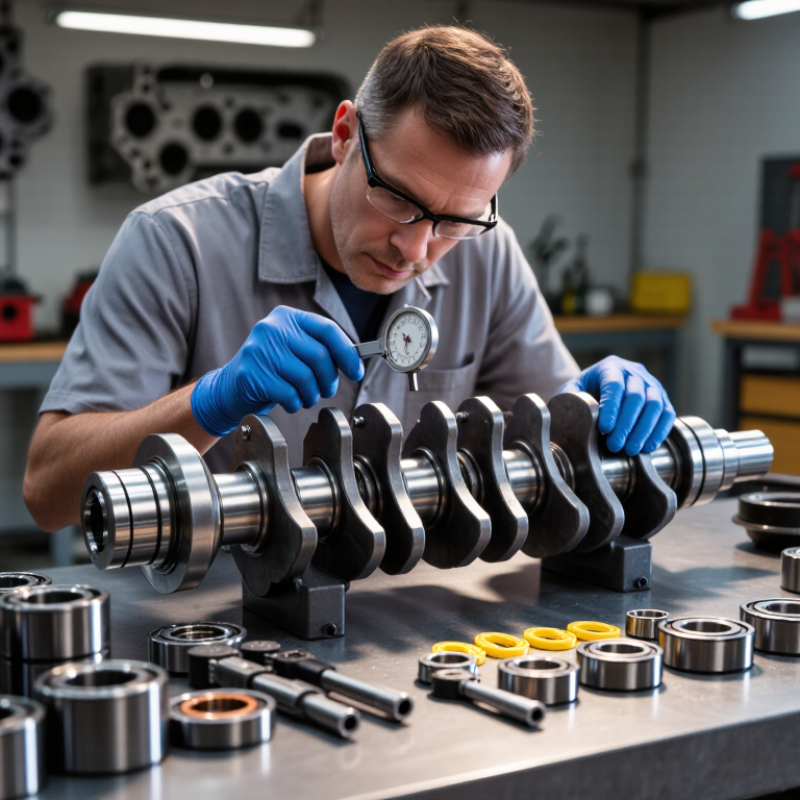
Real workshop evidence should guide the decision. Measure every journal with a micrometer. Check housing alignment, bearing crush, and crankshaft taper. Use Plastigage as a useful cross-check, not the only measurement. Tiny debris in a bearing shell can create a visible high spot. That detail matters.
The strongest 2026 choices will balance fatigue strength, oil retention, heat control, and verified manufacturing quality. Brand reputation helps, but it cannot correct a damaged crankshaft or incorrect installation. Catalog data can also feel reassuring while hiding application limits. I have seen specifications look perfect on paper, yet clearance exposed the real problem. This guide examines those uncomfortable details, compares leading bearing technologies, and explains where professional judgment still matters. There is no universal winner. There is only the bearing that fits the engine, the build, and the evidence.
What Are Connecting Rod Bearings and Why Do They Matter in 2026?
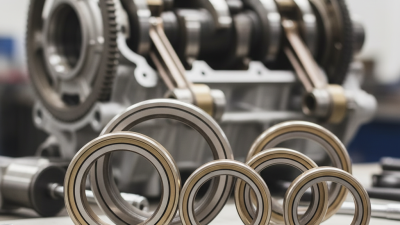
A connecting-rod bearing is a thin, replaceable shell between the rod and crankshaft journal. It does not roll. Instead, pressurized oil forms a film that keeps the metal surfaces apart as the crankshaft turns. That film must survive rapid load changes each time a cylinder fires. When oil pressure drops, clearance is wrong, or debris enters the oil, the film can fail. The result may be knocking, heat, and severe journal damage. Small part. Big consequences.
Bearing choice depends on measured journal size, housing bore, required oil clearance, engine load, and lubrication conditions. A harder bearing is not automatically better; material and clearance must suit the application. The U.S. Department of Energy’s “Where the Energy Goes: Gasoline Vehicles” estimates that roughly 12–30% of gasoline’s energy reaches the wheels. That figure covers many losses, not bearings alone, but it shows why reducing unnecessary internal friction matters. During inspection, measure the crankshaft and rod rather than relying only on old parts or catalog labels. That is easy to skip. It is also where a careful rebuild can go wrong. Even a sound bearing cannot compensate for a damaged journal or blocked oil passage.
Which Con Rod Bearings Suit Different Engine Builds?
What Are the Best Con Rod Bearings for 2026?
Which Con Rod Bearings Suit Different Engine Builds?
The best con rod bearing depends on the engine’s load, oil system, and crankshaft condition. A mild street engine usually needs a durable bearing with stable clearance and strong resistance to everyday wear. For these builds, standard or slightly upgraded materials may work well when the crank journals remain within specification.
Naturally aspirated high-revving engines need closer attention. They often benefit from bearings designed for frequent acceleration and higher journal speeds. Measure the crankshaft with a micrometer, then check housing bores with a bore gauge. Do not trust packaging numbers alone. Small errors matter.
Boosted engines create greater cylinder pressure and bearing load. A stronger bearing material can help, but clearance must match the crankshaft, oil viscosity, and intended temperature range. Too little clearance can restrict oil flow when the engine gets hot. Too much can reduce oil pressure. Neither result is harmless.
Diesel and heavy-duty builds need another approach. Their long-duty cycles demand excellent fatigue resistance and accurate crush in the rod bore. Inspect the rod faces, locating tangs, and journal finish before installation. Cleanliness matters greatly.
I have seen good bearings fail after a careless assembly. That mistake is easy to repeat. A torque wrench, measured clearances, and assembly records provide better protection than guesswork. Plastigage can offer a quick check, but precision tools should guide the final decision. Sometimes, the “best” bearing is simply the one correctly matched to the build.
What Features Define the Best Con Rod Bearings for 2026?
The best con rod bearings for 2026 will be defined by fit, fatigue strength, and oil control. A strong bearing should match the crankshaft journal, connecting-rod housing, and engine’s operating load. Material matters, but it is not everything. Modern multilayer designs can combine a strong backing, a durable intermediate layer, and a soft running surface. This structure helps manage heat, vibration, and brief lubrication loss.
Clearance must suit the engine, not a generic chart. Excessive clearance can reduce oil pressure, while tight clearance may cause rapid heat buildup. Bearing crush and tang position also deserve careful measurement. A bearing can look perfect but fail after installation. I have seen small housing distortions create uneven contact marks. That detail is easy to miss during a rushed rebuild.
Tips: Measure every journal with a micrometer and check housing size with precision tools. Inspect the bearing surface for scratches, embedded debris, and uneven polishing. Confirm oil-hole alignment before final assembly. Use clean engine oil during installation, and verify clearance with the manufacturer’s specified method. Do not rely on feel alone. Temperature, engine speed, oil viscosity, and driving conditions can change the correct choice. Some selection decisions remain uncertain without real operating data, so recording wear patterns after service can improve the next build.
How Should Con Rod Bearings Be Selected, Installed, and Maintained?
What Are the Best Con Rod Bearings for 2026?
Selecting con rod bearings starts with accurate engine data, not a catalog guess. Confirm the crankshaft journal diameter, rod housing size, bearing width, and required oil clearance. Match the bearing material to the engine’s load, speed, lubrication system, and intended service. High-performance engines often need stronger fatigue resistance, while everyday engines may prioritize embedability and contamination tolerance. Manufacturer specifications remain the authority.
Cleanliness matters during installation. Wash the rods, caps, crankshaft journals, and oil passages with lint-free materials. A single metal chip can score a fresh bearing surface. Measure journal diameter with a calibrated micrometer, then check housing bore alignment with suitable gauges. Do not rely only on feel or visual inspection. It feels reassuring, but it is not enough. Verify clearance with the approved measurement method, and never mix upper and lower shells carelessly. Apply assembly lubricant where specified, align locating tabs correctly, and tighten fasteners to the documented torque and angle.
Maintenance begins with correct oil grade, stable oil pressure, and regular filter changes. Listen for a deep knock during cold starts. Inspect drained oil for metallic glitter, although this test can miss early damage. Recheck oil pressure after unusual noise, overheating, or prolonged high-load operation. Bearing failure is sometimes blamed on poor parts, but incorrect clearance, dirty assembly, rod distortion, and blocked oil passages are frequent causes. Even experienced mechanics can overlook one small detail. Record measurements and torque values; memory is less reliable than written evidence.

 +86 13794985240
 CONTACT NUMBER
 CONTACT NUMBER