Leave Your Message

Which Are the Best Bucket Teeth Suppliers in China?

Choosing among China’s Bucket Teeth suppliers is not just a price exercise. A tooth may look similar in a catalog, yet vary in fit, alloy, heat treatment, and wear life. The differences show up on the job: loose adapters, chipped tips, and extra machine downtime. Small details matter.

A useful editorial reminder comes from Lin Wei, a fictional sourcing specialist created for this introduction: “Judge the tooth in the bucket, not only on the quotation.” This is an illustrative line, not a verified industry quotation. A reliable comparison should examine material specifications, dimensional consistency, production controls, and clear warranty terms. Ask suppliers how they test hardness and inspect castings. Request drawings, sample parts, and traceable product information where available. Then compare delivery schedules and technical support, not just unit cost.

Look closely. Ask specific questions. Supplier websites can help narrow the field, but polished photographs do not prove service life. Nor does a low price automatically signal poor quality. Real results depend on soil, impact, machine setup, and operator habits. That makes supplier claims worth checking against samples and customer references. A fair shortlist should separate documented facts from sales language. It should also admit what remains uncertain; wear tests rarely match every worksite. This guide introduces practical ways to assess Chinese Bucket Teeth suppliers and choose options that suit your equipment, application, and maintenance needs.
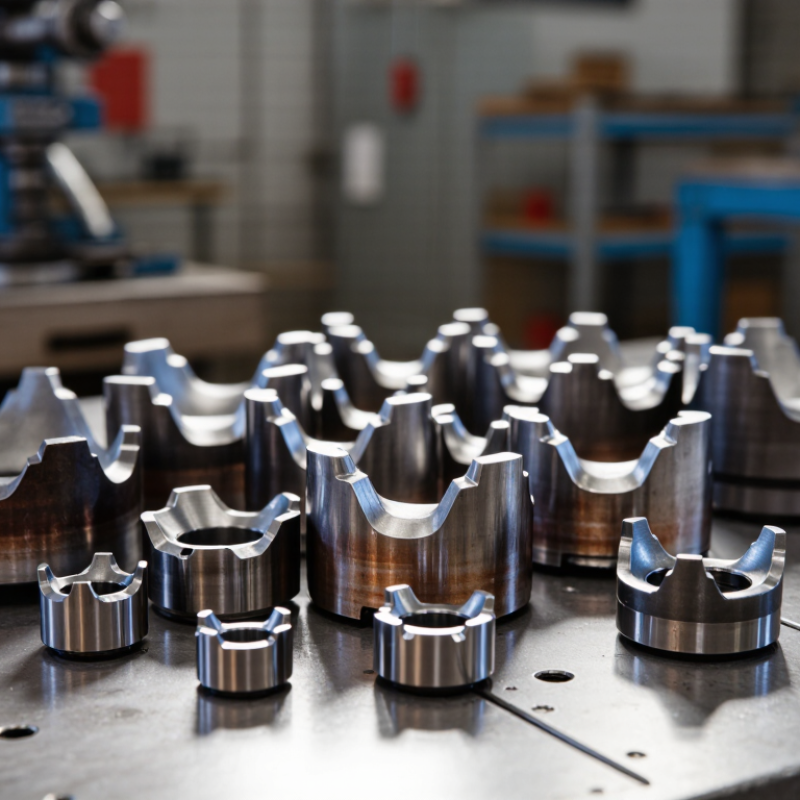
Which Are the Best Bucket Teeth Suppliers in China?

What Bucket Teeth Are and How They Are Used

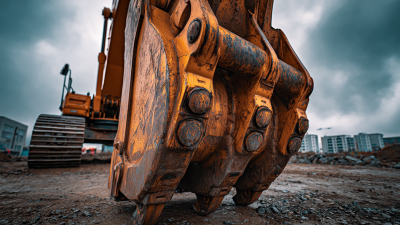
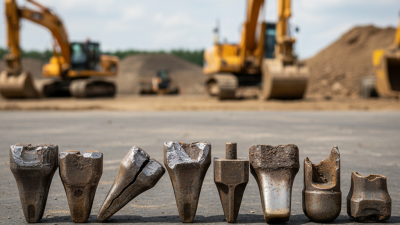
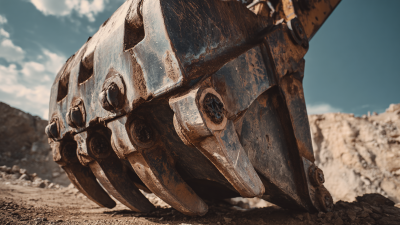
Bucket teeth are replaceable steel points fitted to an excavator or loader bucket’s cutting edge. They concentrate machine force into a small contact area, helping the bucket penetrate soil, clay, gravel, or fractured rock. The tooth shape affects how it enters material and how quickly it wears. Narrow profiles can aid penetration in compact ground; wider profiles suit lighter digging and help protect the bucket edge. Conditions matter. A shape that works in loose soil may wear quickly in abrasive rock.

The scale of excavation is substantial. The U.S. Geological Survey’s Mineral Commodity Summaries 2024 estimated U.S. construction sand and gravel production at about 960 million metric tons in 2023. That figure describes material production, not bucket-tooth demand or wear rates. Still, it illustrates the volume of earthmoving behind construction work. Teeth face repeated impacts, abrasion, and pressure, so operators should check for uneven wear, cracks, loose retainers, and damage to the adapters holding each tooth.

Fit and working conditions deserve more attention than appearance alone. Match the tooth system to the bucket, machine, and material, then follow the equipment maker’s installation guidance. Replace worn teeth before the adapter or bucket lip takes unnecessary damage. There is no universal best profile. One limitation: public industry reports rarely quantify tooth life across different soils, so inspection records from the actual job remain useful. Small differences matter.
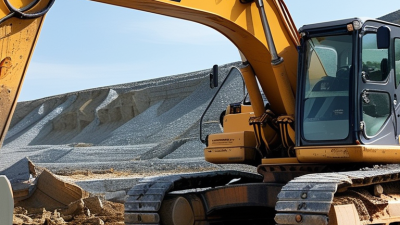
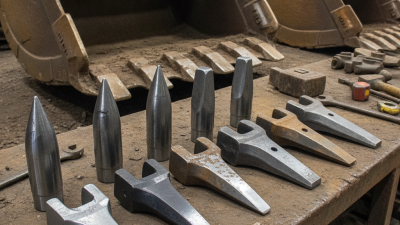
How China’s Bucket Teeth Supply Industry Is Organized

China’s bucket teeth supply industry is built from several linked tiers. Foundries and forging workshops shape the tooth bodies, while separate facilities may handle machining, heat treatment, and finishing. Some manufacturers control most stages in-house. Others rely on nearby subcontractors for specific processes. The arrangement allows suppliers to serve different order sizes, but production quality can vary between batches. A polished sample is not enough. Ask how the supplier controls alloy composition, heat-treatment temperature, and dimensional tolerances. Request batch records where available.

Trading companies and regional distributors connect factories with domestic buyers and overseas markets. They can simplify communication and consolidate shipments, though buyers may have less visibility into the actual production site. Details matter. Check tooth-and-adapter fit, pin-hole dimensions, and wear patterns against the machine’s operating conditions. A hardness reading alone does not prove a tooth will last; impact, abrasion, and ground conditions also matter. This division of work is useful, but not always neat. Even experienced buyers can miss a process handoff, so clarify who is responsible for inspection and corrective action before placing repeat orders.

Key Criteria for Evaluating Chinese Bucket Teeth Suppliers

A supplier’s claims matter less than records you can verify. Ask for the steel grade, heat-treatment process, and hardness range for the bucket teeth. Request inspection reports tied to a production batch, not a generic certificate. For a serious comparison, check whether the supplier can explain how it controls dimensions and rejects flawed castings. A sample tooth can reveal rough edges, uneven surfaces, or a poor fit. Fit matters.

Compare the sample with your bucket’s pin size, adapter profile, and working conditions. A dependable supplier should provide clear drawings, realistic lead times, and written details about inspection and replacement terms. Ask how production changes are communicated, especially when an order includes several tooth sizes. Look for direct answers, not polished promises. If possible, speak with buyers who use similar equipment and review how their teeth wear over time. Field conditions vary, so one good test is not proof of long service life. No checklist removes every risk; even careful buyers may need to revise their choice after real site use.

Which Are the Best Bucket Teeth Suppliers in China? - Key Criteria for Evaluating Chinese Bucket Teeth Suppliers

Use this supplier-neutral scorecard to compare prospective suppliers. The weightings are suggested evaluation priorities, not claims about any particular supplier. Verify documents and samples before placing an order.

Evaluation criterion Weight What to check Useful evidence to request Warning signs
Material specification and traceability 18% Whether the supplier defines the material grade and can link production batches to material records. Written material specification, sample mill or material test certificates, and batch identification records. Vague descriptions such as “high-quality steel” without a grade, specification, or traceable records.
Heat treatment and hardness control 15% Whether heat treatment is controlled and hardness is measured at defined locations against an agreed specification. Heat-treatment process description, hardness test method, inspection records, and results for a production sample. A hardness figure with no test location, method, acceptance range, or supporting inspection record.
Fit and dimensional compatibility 14% Compatibility with the intended bucket, adapter, pin, and retaining system; critical dimensions and tolerances should be agreed before manufacture. Dimensioned drawings, measurement reports, sample fit checks, and written confirmation of the relevant part reference. Reliance on visual similarity alone or no clear process for confirming fit before shipment.
Inspection and product testing 12% Inspection coverage for dimensions, appearance, defects, and any agreed mechanical or material tests. Inspection plan, sample inspection reports, test methods, acceptance criteria, and records tied to the order or batch. Claims of “100% quality” without defined checks, criteria, or records.
Quality management and corrective action 10% How the supplier controls nonconforming products, investigates complaints, and prevents recurring problems. Quality procedures, relevant and current certification documents if claimed, and an example of a documented corrective-action process. Certificates that cannot be verified, unclear scope, or no structured response to defect reports.
Manufacturing capability and consistency 8% Whether the production setup and process controls suit the required tooth designs, order quantities, and repeat orders. Process overview, sample approval procedure, production inspection records, and references or evidence relevant to similar product types. Unclear responsibility for outsourced processes or inability to explain how repeat batches are kept consistent.
Lead time and order communication 7% Whether production, inspection, and shipping schedules are clearly stated and updated if plans change. Written quotation with production lead time, order milestones, delivery terms, and a named contact for order updates. Unqualified delivery promises or no distinction between production time and transit time.
Export packing and documentation 6% Packaging suitability for the shipment and accuracy of agreed shipping and customs documents. Packing details, product and quantity lists, shipping-document samples where appropriate, and confirmation of agreed delivery terms. Unclear responsibility for packing, document preparation, or freight arrangements.
Warranty and after-sales response 5% Whether warranty terms, claim evidence, response timelines, and remedies are defined in writing. Written warranty policy, claim procedure, and clear terms covering exclusions and available remedies. Verbal assurances with no written scope, time limits, or claim process.
Total cost and quotation clarity 5% The complete landed-cost picture, including product price, tooling or setup charges, packing, freight, and applicable import costs. Itemized quotation, currency and validity period, minimum order quantity, payment terms, and stated delivery terms. A low unit price with important charges, specifications, or delivery responsibilities left unspecified.
Total suggested weighting 100% Adjust the weighting to reflect the application, operating conditions, and purchasing priorities.

Suggested scoring: Score each criterion from 1 to 5: 1 = insufficient evidence, 2 = limited evidence, 3 = acceptable evidence, 4 = strong evidence, and 5 = independently verifiable evidence. Compare weighted scores only after confirming that the product specification and fit requirements are met.

Types of Suppliers and Products Available in China

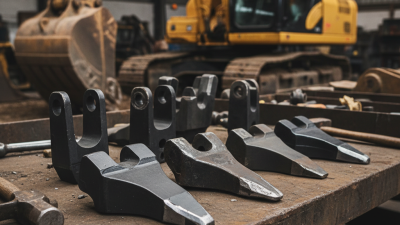
China’s bucket-tooth supply base includes several distinct supplier types. Foundries and component manufacturers produce cast or forged teeth, adapters, pins, and retainers. Some factories focus on complete wear-part systems, while trading companies combine products from multiple workshops. Their catalogs may cover standard profiles, narrow teeth for trenching, and heavier designs for hard or abrasive ground.

The China Construction Machinery Association reported 195,018 excavator sales in 2023, including 104,214 exports. This indicates a large equipment ecosystem, not a measured bucket-tooth market. Buyers should therefore check actual production capability rather than infer tooth quality from market size. Ask about steel specifications, heat-treatment records, dimensional checks, and tooth-to-adapter fit. A sample should seat firmly, without visible gaps or excessive movement.

There are trade-offs. A foundry may offer custom dimensions, but tooling can add cost and lead time. A distributor may ship mixed sizes quickly, yet provide less control over batch consistency. Ask for inspection records tied to the specific production lot. Fit still matters. Even a hard tooth can wear unevenly if its profile or adapter match is wrong. Industry sales data cannot confirm service life; field testing in the intended soil remains necessary.

How to Compare Suppliers for Quality, Compatibility, and Cost

Compare bucket-tooth suppliers by measured evidence, not polished photographs. Ask for tooth and adapter drawings, steel grade, heat-treatment records, and hardness test results. Fit matters most. Match the tooth profile, pin size, and locking system to your exact bucket and machine model; even small tolerances can cause looseness or difficult replacement. Request a sample and check seating, pin alignment, and casting surfaces before ordering in volume. A certificate is useful, but it does not prove every batch is consistent.

Cost should reflect service life, not just the quoted unit price. Track tooth changes, digging hours, and wear across comparable jobs, then estimate cost per operating hour. McKinsey’s predictive-maintenance analysis reports potential downtime reductions of 30–50% across industrial equipment; that is not a bucket-tooth guarantee, but it shows why unplanned stops matter. Ask suppliers about batch traceability, inspection frequency, lead times, and replacement-part availability. Compare landed costs, including freight and rejected parts. One caveat: a higher hardness reading alone does not establish better wear life; impact conditions and steel toughness matter too. I would treat unsupported lifespan promises cautiously. A short field trial may reveal more than a lengthy sales sheet.