What Are the Benefits of Using an Air Filter?
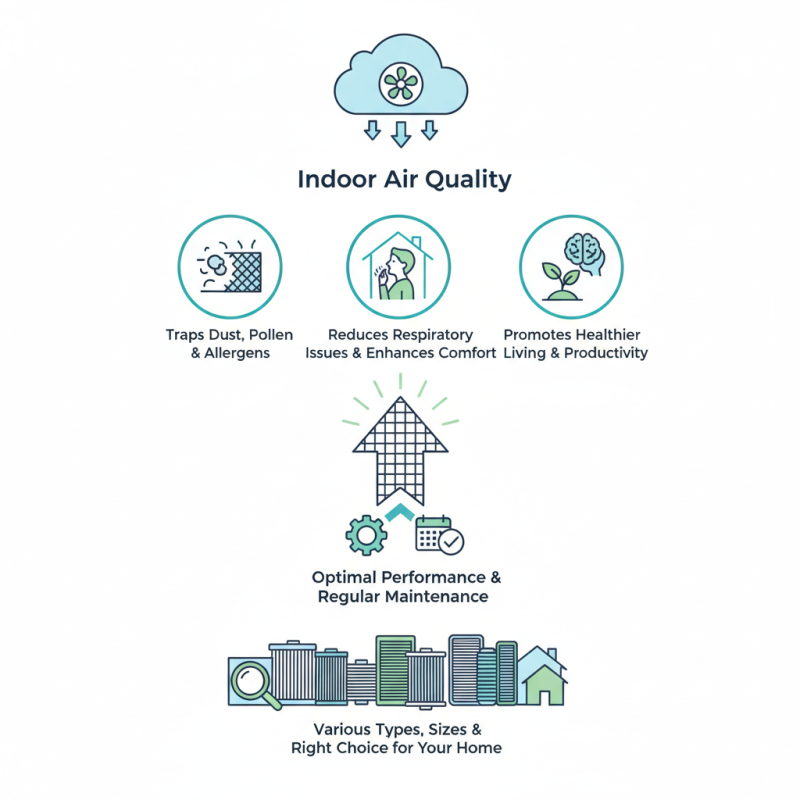
Air filters play a crucial role in maintaining indoor air quality. They trap dust, pollen, and other allergens that can compromise health. A clean environment enhances comfort and productivity. These filters are not limited to homes; they are essential in workplaces too.
Using an air filter can significantly reduce respiratory issues. It helps create a healthier living space for everyone. However, many people overlook the importance of regular maintenance. Changing filters as recommended is crucial for optimal performance. A neglected filter can result in poor air quality.
Air filters come in various types and sizes. Each is designed for specific needs and environments. While they offer many benefits, it's important to choose the right one. The wrong filter can lead to inefficiency. Reflecting on your air filter usage can lead to better decisions and a healthier home.
Understanding Air Filters and Their Functionality
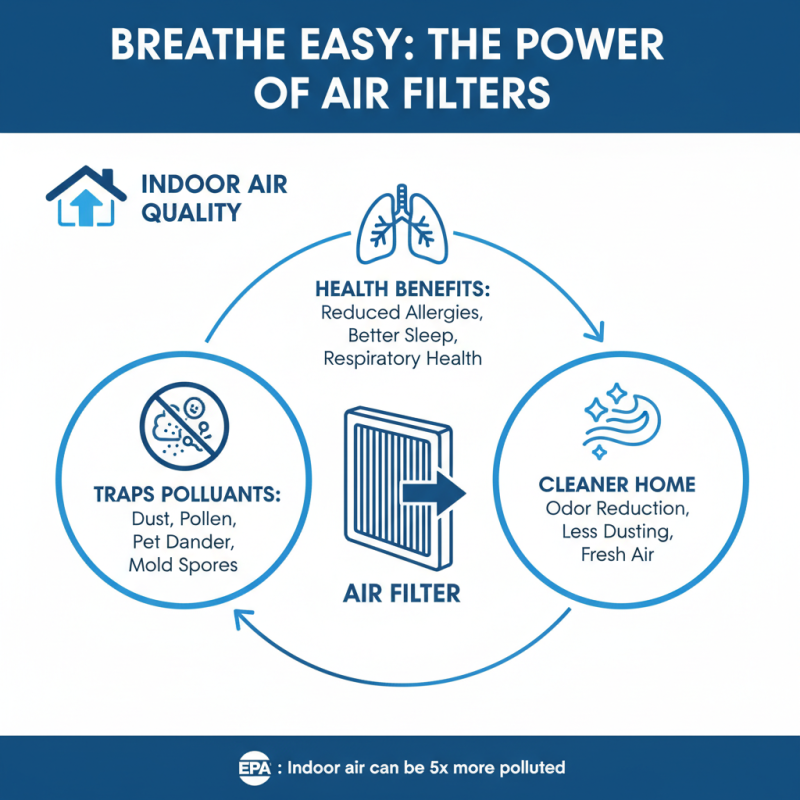
Air filters play a crucial role in maintaining indoor air quality. They capture dust, pollen, and other airborne particles. According to the Environmental Protection Agency (EPA), indoor air can be more polluted than outdoor air. This highlights the importance of effective air filtration.
There are various types of air filters, each with unique functionalities. HEPA filters can remove at least 99.97% of particles that are 0.3 microns or larger. This is significant for allergy sufferers. However, not all filters perform equally well. Some may not capture smaller particles like smoke or certain bacteria.
Choosing the right air filter requires careful consideration. The efficiency ratings provide insights, but they can be misleading. It's essential to understand the specific needs of your living space. Additionally, regular maintenance is often overlooked. Clogged filters can reduce air quality rather than improve it. Taking time to select and maintain a filter can have noticeable effects on health and comfort.
Health Benefits of Improved Indoor Air Quality
Improving indoor air quality is crucial for health. Poor air can lead to respiratory issues. Allergens and pollutants are often invisible. They can linger in our homes. This can affect your family’s health, especially children and the elderly.
Use air filters to trap dust, pollen, and smoke. A good filter helps reduce allergies. It makes breathing easier. Remember to change filters regularly to maintain effectiveness. Dust can accumulate quickly. This might compromise air quality over time.
Keep your home well-ventilated. Open windows when possible, to let fresh air in. Plants can also help purify the air naturally. However, some plants require more care than others. Be mindful of which ones fit your lifestyle. Create a balance between natural and mechanical methods for a healthier home. Improving your space takes effort, but small changes matter.
Types of Air Filters and Their Specific Uses
Air filters come in various types, each serving distinct purposes. HEPA filters are popular in homes. They effectively remove pollen, dust mites, and pet dander. This makes them ideal for allergy sufferers. However, HEPA filters may require regular replacement. Neglecting this duty can lead to reduced effectiveness, allowing allergens to accumulate.
Activated carbon filters excel at absorbing odors and volatile organic compounds. They are commonly found in kitchens and living spaces. While they do a great job at improving air quality, they may not capture smaller particles. Homeowners should use them alongside other filter types for optimal results.
UV air purifiers are another option. They use ultraviolet light to kill bacteria and viruses. While effective, they often require maintenance to ensure they function properly. Some users may overlook this, leading to false confidence in air cleanliness. Balancing various types of air filters can enhance indoor air quality.
Benefits of Using an Air Filter
Cost-Effectiveness of Using Air Filters in Homes
When considering air filters for home use, cost-effectiveness stands out as a significant advantage. Installing an air filter can lead to lower energy bills. Clean air systems operate more efficiently, reducing strain on heating and cooling systems. This often translates to longer lifespans for appliances.
The upfront cost of air filters may seem high, but they offer savings over time. Regular maintenance can prevent expensive repairs. Many families notice fewer health issues, minimizing medical expenses. Additionally, breathe easier at home. Reduced allergens create a healthier environment.
Yet, not every filter delivers equal results. Some may underperform, leaving particles behind. Homeowners must research their options. Choosing the right type and size is crucial. Investing time in understanding what suits your home can enhance benefits. Careful selection prevents waste and maximizes effectiveness.
Maintenance Tips for Maximizing Air Filter Efficiency
Maintaining an air filter is crucial for maximizing its efficiency. Regular maintenance can improve indoor air quality and ensure optimal performance. According to the Environmental Protection Agency (EPA), a well-maintained air filter can reduce airborne pollutants by up to 50%. To achieve this, it’s essential to check filters monthly, especially during peak usage seasons. Dust and allergens can build up quickly, affecting filter performance.
Cleaning or replacing filters as needed is key. Most filters should be replaced every 1 to 3 months, depending on the type. A clogged filter can impede airflow, leading to increased energy consumption. This can result in higher utility bills, a common concern for many households. In fact, the U.S. Department of Energy suggests that improper maintenance can reduce HVAC efficiency by 15%.
Be mindful of humidity levels too. Excess moisture can cause mold growth on filters, which can worsen indoor air quality. It's beneficial to use a dehumidifier in humid climates. Regular maintenance requires effort, but the benefits are evident. Enhanced air quality leads to fewer health issues and a more comfortable living environment. Keep in mind that overlooking these details can impact your well-being.
Benefits of Using an Air Filter
| Benefit |
Description |
Maintenance Tip |
| Improved Air Quality |
Air filters trap dust, pollen, and other pollutants, leading to cleaner air in your home. |
Replace the filter every 1-3 months depending on use. |
| Energy Efficiency |
A clean filter allows HVAC systems to run more efficiently, reducing energy costs. |
Check the filter monthly and clean as necessary. |
| Extended Appliance Lifespan |
Keeping air filters clean helps prevent damage to HVAC systems, prolonging their life. |
Schedule annual maintenance checks for your HVAC system. |
| Reduced Allergens |
Filters help reduce allergens in the air that can cause health issues. |
Use HEPA filters for maximum allergen reduction. |
| Odor Reduction |
Filters can help absorb and reduce unwanted odors in your home. |
Consider using activated carbon filters for better odor control. |

 +86 13794985240
 CONTACT NUMBER
 CONTACT NUMBER