Why is an Air Filter Essential for Clean Indoor Air Quality?
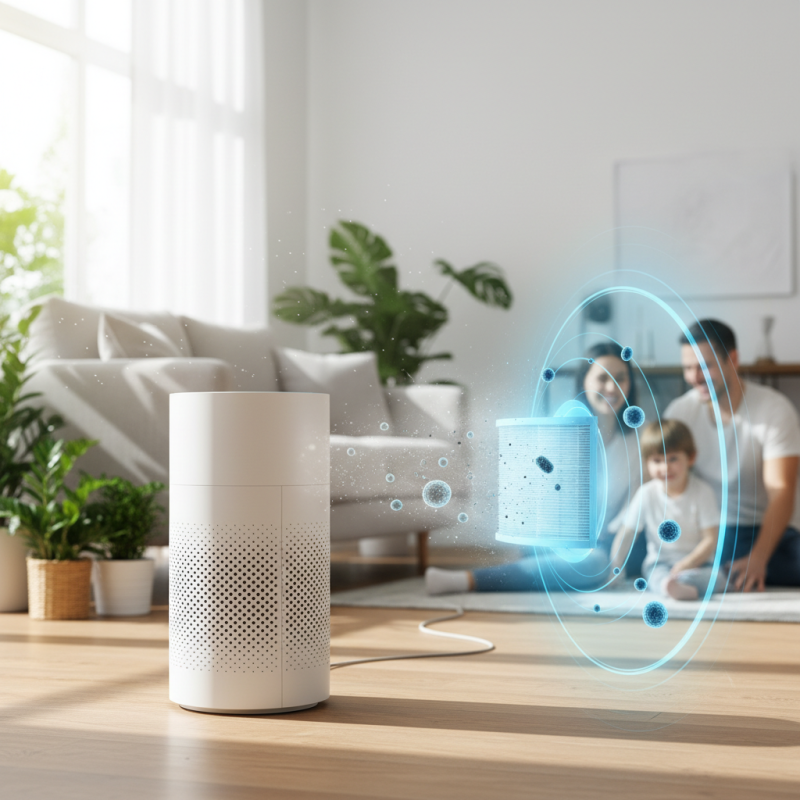
Indoor air quality is crucial for our health. Poor air can lead to various ailments. According to Dr. John Smith, an air quality expert, “An effective air filter can significantly reduce indoor pollutants.”
Many people overlook the importance of an air filter. They often think good ventilation is enough. In reality, filters trap dust, allergens, and even bacteria. Homes without proper air filters can harbor harmful particles. These can trigger allergies or asthma.
Investing in a reliable air filter is vital. Some might stick to old systems, thinking they work fine. However, inefficient filters can allow contaminants to recirculate. Understanding the role of air filters is key to maintaining a healthy living space.
The Importance of Indoor Air Quality for Health and Well-Being
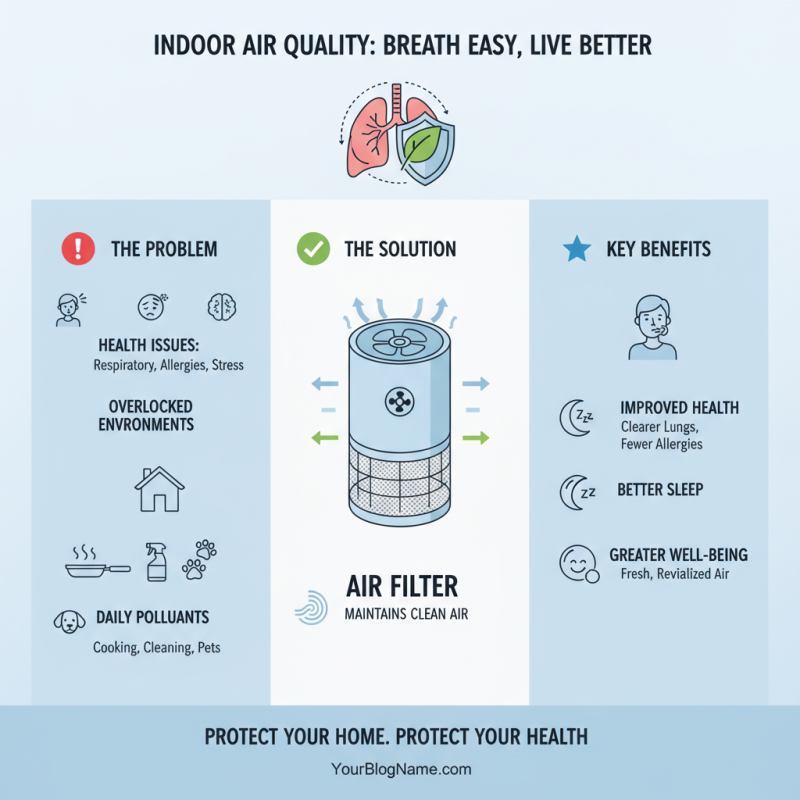
Indoor air quality is crucial for our health and well-being. Poor air can lead to respiratory issues, allergies, and even stress. We often overlook indoor environments. Everyday sources like cooking, cleaning, and pets contribute to pollution. This makes an air filter even more vital in maintaining clean air.
Tips for improving indoor air quality include regular cleaning. Dust accumulates quickly. Also, keep windows open when safe. Fresh air reduces pollutants indoors. Consider adding houseplants like spider plants or peace lilies. They can naturally purify the air.
Remember to check your air filter often. Clogged filters can actually worsen air quality. Replace them regularly. If you notice difficulty breathing or persistent allergies, it might be time for an upgrade. Reflect on your environment and make needed changes for better health.
How Air Filters Improve Air Quality by Removing Pollutants
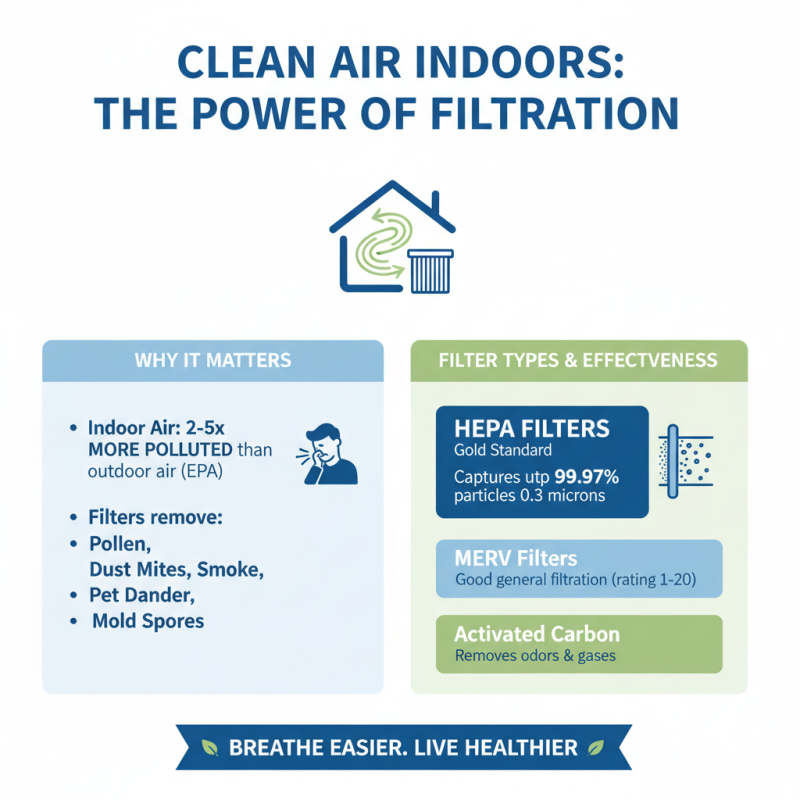
Indoor air quality affects health. Poor air quality can lead to respiratory issues and allergies. An air filter plays a crucial role in improving this situation. According to the Environmental Protection Agency (EPA), indoor air can be 2 to 5 times more polluted than outdoor air. This makes air filters essential.
Air filters trap dust, pollen, pet dander, and smoke. They effectively remove these pollutants from your living space. A study by the American Lung Association found that a good air filter can remove up to 99% of airborne particles. This significantly reduces the risk of health problems. Using high-efficiency particulate air (HEPA) filters is vital for maximum effectiveness.
Contaminants can still linger, though. Filters need regular replacement to maintain efficiency. Failure to change filters can lead to increased indoor pollution levels. It's important to check filters every few months. Without attention, air quality can degrade, putting everyone at risk. Taking small steps toward cleaner air is essential for better health.
Types of Air Filters and Their Effectiveness in Indoor Environments
Air filters play a pivotal role in maintaining indoor air quality. Different types of filters offer various levels of effectiveness. HEPA filters, for example, can capture up to 99.97% of particles that are 0.3 microns in size. This includes pollen, dust mites, and smoke. According to the Environmental Protection Agency, even indoor air can be two to five times more polluted than outdoor air. This makes effective filtration vital.
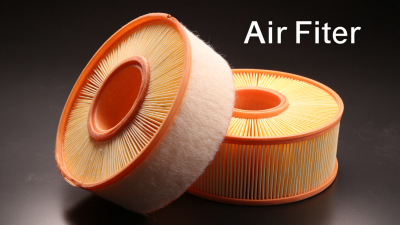
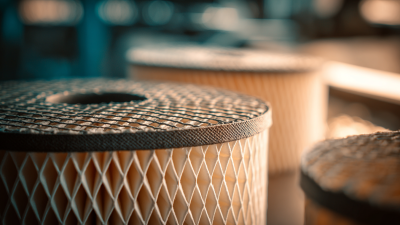
Pleated air filters are another option. They provide a larger surface area than standard filters, enhancing dust and allergen capture. Research indicates that these filters can reduce pollen concentration by up to 90%. However, they need regular replacement. Ignoring this could lead to decreased airflow and inefficient filtration. Additionally, some less effective filters may allow particles to pass through, compromising air quality.
In some cases, air quality deteriorates even with filtration. This can occur if the indoor space is not properly ventilated. Improperly sized or dirty filters can also contribute to this issue. The choice of an air filter should consider specific needs and environmental conditions. Users must understand that no filter is perfect. They should regularly monitor and adjust their filtration systems for optimal results.
Maintenance Practices for Ensuring Optimal Air Filter Performance
Air filters play a crucial role in maintaining indoor air quality. However, simply having an air filter isn't enough. Regular maintenance is key to ensuring that the filter operates effectively. Dust and debris can accumulate quickly, reducing its efficiency. It's essential to check the filter every month, especially during peak usage seasons.
Cleaning and replacing filters as needed can significantly impact air quality. For some, this can feel overwhelming. The task may slip through the cracks, but it’s worth the effort. A dirty filter can lead to respiratory issues and allergies. If neglected, the air filter may even become a source of pollution instead of a solution.
Educating oneself about the signs of a clogged filter is also important. Unusual noises or increased energy bills might indicate an issue. Don't wait until it's too late. Instead, make filter maintenance a regular part of your home care routine. Taking these small steps can lead to improved health and comfort.
The Connection Between Air Filters and Energy Efficiency in Homes
Air filters play a crucial role in maintaining indoor air quality. They trap dust, allergens, and pollutants that can harm your health. A clean filter ensures that the air you breathe is fresh and safe. However, many often overlook their significance for energy efficiency.
When air filters are clogged, your HVAC system works harder. This leads to increased energy consumption. You may notice your energy bills rising without reason. Regularly changing your filters can help mitigate this issue. A clean filter allows for better airflow, reducing the load on your heating and cooling systems.
Moreover, neglecting air filters can result in uneven temperatures in your home. Some rooms may feel too hot or too cold. Investing time in maintaining your air filters not only improves air quality but also enhances your comfort. You shouldn't wait for a noticeable decline in air quality or energy efficiency before taking action. Regular maintenance is key.

 +86 13794985240
 CONTACT NUMBER
 CONTACT NUMBER