2026 Best Air Filter Options for Cleaner Indoor Air Quality?
Indoor air quality is a critical aspect of a healthy living environment. Many people underestimate its importance. In recent years, air filters have become essential tools for improving this quality. They help remove dust, allergens, and other impurities from the air we breathe.
Choosing the right air filter can be a daunting task. The market is filled with various options, each claiming to be the best. Some filters are high-efficiency, while others may lack performance. It’s crucial to assess the specific needs of your space. Factors like room size, type of pollutants, and allergy sensitivities play significant roles.
While many air filters promise exceptional results, they may not always deliver. Some consumers find themselves dissatisfied after purchase. Reviews can vary widely, and what works for one household may not work for another. It's essential to prioritize research and personal needs when selecting an air filter. A suitable air filter can significantly enhance indoor air quality, but it requires careful consideration.
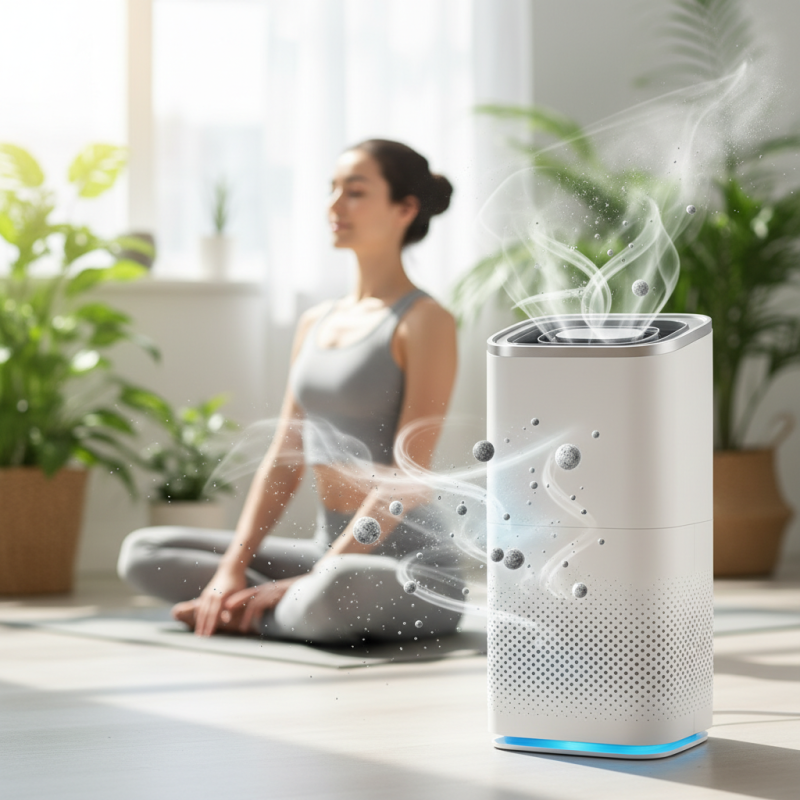
2026 Air Quality Standards and Their Impact on Indoor Environments
In 2026, air quality standards are expected to tighten, impacting indoor environments significantly. New research indicates that nearly 90% of people spend their time indoors. With harmful pollutants often trapped inside, maintaining clean air becomes crucial. The World Health Organization reports that poor indoor air quality can lead to respiratory issues and other health problems. This year, updates to standards will focus on particulate matter, volatile organic compounds, and carbon dioxide levels.
Tips: Use a high-efficiency particulate air (HEPA) filter to greatly reduce pollutants. Regularly change filters to maintain effectiveness. Choose ventilation systems that meet the new standards for fresh air circulation.
Moreover, indoor air pollution sources like dust, mold, and pet dander are often overlooked. According to a 2021 study by the Environmental Protection Agency, these pollutants can exceed outdoor levels. Rethinking our indoor environments means assessing materials used in construction, furniture, and cleaning products. Small changes can create a healthier space.
Tips: Keep indoor humidity below 50% to prevent mold growth. Use non-toxic cleaning products to limit chemical exposure. Regular house cleaning can also help in reducing allergens.
2026 Best Air Filter Options for Cleaner Indoor Air Quality
| Filter Type |
MERV Rating |
Particle Removal Efficiency |
Lifespan (months) |
Price Range (USD) |
| HEPA Filter |
17-20 |
99.97% |
6-12 |
30-70 |
| Pleated Filter |
10-12 |
85% |
3-6 |
10-30 |
| Activated Carbon Filter |
5-10 |
Varies |
2-4 |
15-50 |
| Washable Filter |
11-13 |
90% |
12+ |
20-40 |
Types of Air Filters: HEPA, Activated Carbon, and Electrostatic Options
When it comes to improving indoor air quality, understanding different types of air filters is essential. HEPA filters are renowned for their efficiency. They capture up to 99.97% of particles that are 0.3 microns in size. This includes dust, pollen, and even pet dander. Research shows that using HEPA filters can significantly reduce allergy symptoms in sensitive individuals.
Activated carbon filters are another popular option. They excel in absorbing odors and harmful chemicals. Volatile Organic Compounds (VOCs), often found in household products, can be mitigated by these filters. Studies indicate that activated carbon can significantly lower indoor air pollution levels, creating a more pleasant environment.
Tip: Regularly check your filters and replace them as needed. A clogged filter won’t work effectively. Cleaning is important, too; some filters can be vacuumed or washed.
Electrostatic filters use charged particles to trap dust and allergens. They are reusable and can save money in the long run. However, they may not be as effective against smaller particles. This means they might require additional filtration systems for optimal air quality.
Tip: Combine different filter types for better air quality. A layered approach can address various pollutants in your home. Balancing these filters can lead to cleaner air and enhanced well-being.
2026 Best Air Filter Options for Cleaner Indoor Air Quality
This chart illustrates the efficiency ratings of various air filter types available in 2026. HEPA filters are the most efficient, capturing up to 99% of airborne particles, while activated carbon filters and electrostatic filters follow with efficiencies of 80% and 70% respectively.
Efficiency Ratings: Understanding MERV Ratings and Their Importance
MERV ratings, or Minimum Efficiency Reporting Values, play a crucial role in indoor air quality. These ratings help determine how well air filters capture specific airborne particles. Understanding MERV can be overwhelming. Many people don’t realize the impact of particles on health.
Filters with a MERV rating between 8 to 13 are commonly recommended for home use. They can effectively capture dust, pollen, and pet dander. Higher-rated filters, from 14 to 16, can capture smaller particles, like smoke and bacteria. However, these filters may restrict airflow and strain HVAC systems. It's essential to find a balance.
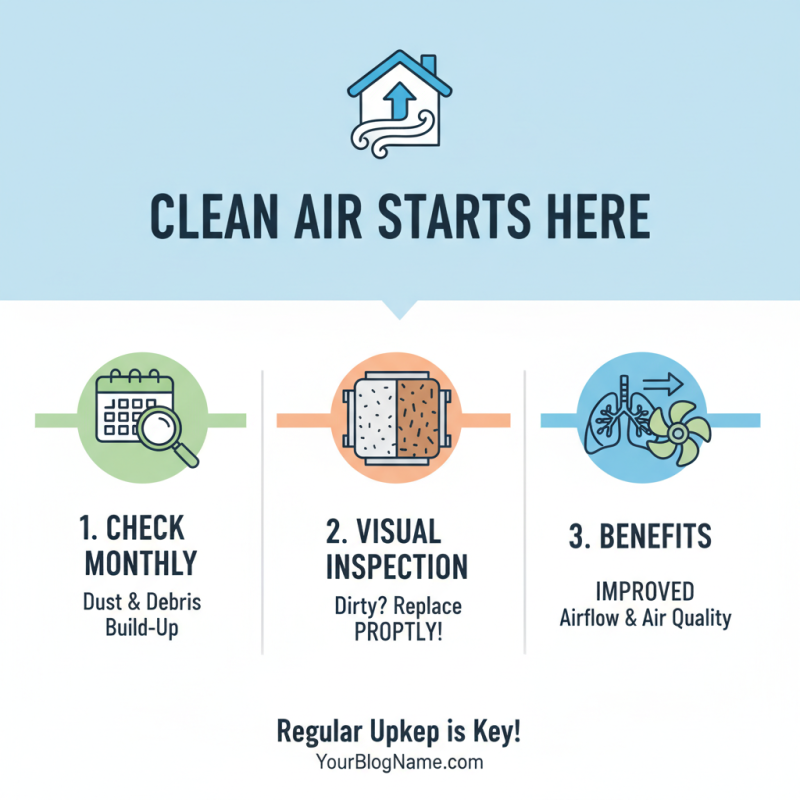
Sometimes, homeowners overlook the importance of regular filter changes. A dirty filter can lead to decreased efficiency. Unpleasant odors or increased dust might indicate a filter issue. A little proactive maintenance can significantly improve indoor air quality. Are we truly prioritizing our health through our air filters?
Choosing the Right Air Filter for Allergens, Dust, and Odors
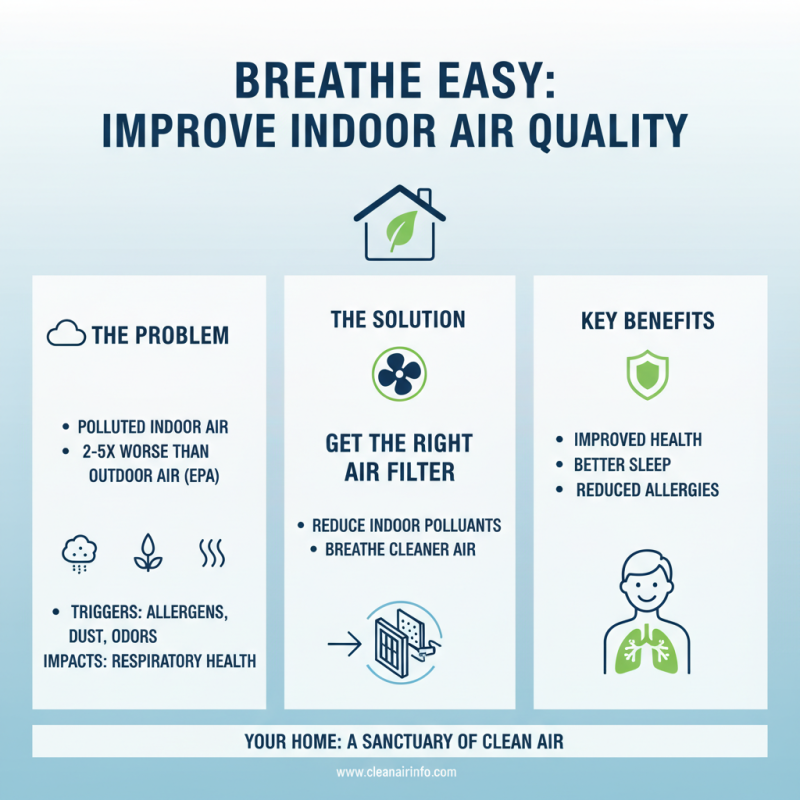
Indoor air quality can significantly impact health. Allergens, dust, and odors create an environment that may affect breathing. According to the Environmental Protection Agency, indoor air can be two to five times more polluted than outdoor air. Finding the right air filter can help.
HEPA filters are effective for allergens. They capture up to 99.97% of particles as small as 0.3 microns. This includes pollen, pet dander, and dust mites. However, not all air filters perform equally. Some filters may not adequately reduce odors from cooking or smoke. Specialized activated carbon filters can absorb such smells, but they usually lack the high particle filtration efficiency of HEPA filters.
Regular changes of filters are necessary. Some users forget this crucial step, which reduces filter effectiveness. Many recommend changing filters every three months. This ensures optimal performance. Still, not everyone does this, leading to uncertainty about air quality. Look for filters with a MERV rating of at least 11 for a balance between allergen removal and odor control. Make informed decisions to help create a healthier indoor space.

 +86 13794985240
 CONTACT NUMBER
 CONTACT NUMBER